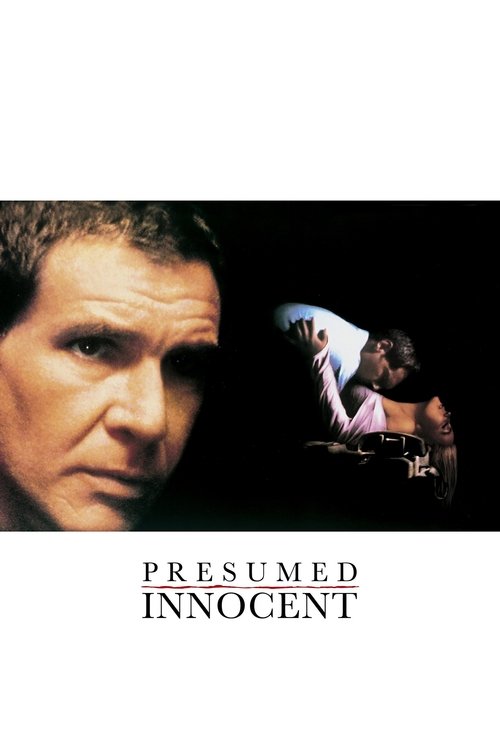
Presumed Innocent (1990)
Directed by Alan J. Pakula
No · Ultra Based
How we score movies →Consciousness Markers
The supporting cast includes actors of color in professional roles, but they occupy minor positions without narrative significance. This reflects 1990s Hollywood diversity quotas rather than intentional representation.
While the plot involves a murdered female colleague, the film treats her primarily as a plot device. Her sexuality is portrayed judgmentally rather than as a subject of feminist consciousness.
Diverse casting exists but without any conscious examination of race. Characters are simply present without thematic engagement with racial identity or experience.
The film maintains a measured, procedural tone focused on plot mechanics rather than preachy messaging, though some scenes contain expository legal dialogue.
The film depicts corrupt power structures within the legal system, but this critique emerges from noir tradition rather than anti-capitalist ideology.
No LGBTQ+ themes, representation, or subtext present in the film.
No climate change themes, environmental consciousness, or ecological concerns appear in this legal thriller.
No body positivity themes or commentary on physical appearance and acceptance are present.
No representation of or engagement with neurodivergence, mental health diversity, or neurodivergent characters.
This contemporary legal thriller contains no historical narrative or revisionist historical themes.


Synopsis
Rusty Sabich is a deputy prosecutor engaged in an obsessive affair with a coworker who is murdered. Soon after, he's accused of the crime. And his fight to clear his name becomes a whirlpool of lies and hidden passions.
Why it received this score
Presumed Innocent arrives as a competent legal thriller from 1990, which is to say it arrives unburdened by anything resembling modern social consciousness. Harrison Ford plays Rusty Sabich, a prosecutor whose affair with a colleague ends badly when she turns up murdered. The film unfolds as a methodical procedural, all shadowy offices and morally compromised men in suits, the sort of thing that seemed profound when Richard Nixon was still alive in the national memory.
The cast includes several performers of color in supporting roles, a detail that feels less like intentional representation and more like the bare minimum diversity one might find in a major studio production of the era. No one appears to be laboring under the burden of speaking for their community or interrogating systemic injustice. They simply exist as professionals in a corrupt system, which is to say they exist as plot furniture. The murdered woman at the center of the mystery receives similarly functional treatment, her sexuality coded as recklessness rather than as a subject worthy of feminist examination.
What makes this film a useful artifact is precisely its lack of self-consciousness about its social dimensions. It reflects 1990s sensibilities without attempting to interrogate them, a quality that now reads as almost refreshing in its indifference to demonstrating progressive credentials. The film concerns itself with procedural questions and moral ambiguity within the legal system, not with the systems that produce such ambiguity in the first place. It is a thriller that simply wants to thrill, unburdened by the contemporary urge to educate.
Analysis generated by our Consciousness Algorithm
Critic Reviews
“Ford's bottled-up fierceness is perfectly in sync with the sustained atmosphere of quiet tension provided by director Alan J. Pakula (Sophie's Choice, All the President's Men). Presumed Innocent is more than two hours long and has a leisurely pace, yet maintains a high level of interest most of the way. [27 July 1990, p.E1]”
“Intelligent, complex and enthralling, Presumed Innocent is one of those rare films where all the players seem to be in a state of grace, where the working of the machinery never shows and after it's over, one runs and reruns its intricacies with a profound sense of satisfaction.”
“Presumed Innocent has at its core one of the most fundamental fears of civilized man: the fear of being found guilty of a crime one did not commit. That fear is at the heart of more than half of Hitchcock's films, and it is one reason they work for all kinds of audiences. Everybody knows that fear.”
“It's a movie of surpassing flatness, all surface, all monotone. Pace? It's as if the director, Alan J. Pakula, had dialed in half speed on the first day of shooting and never checked the throttle again. [27 July 1990, p.G5]”