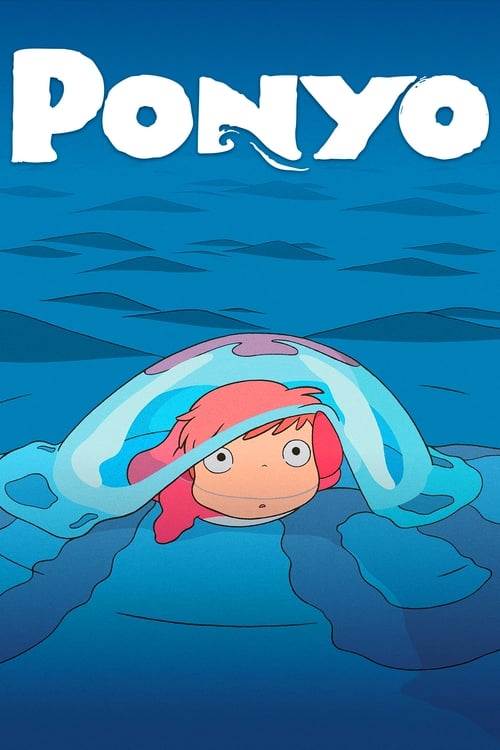
Ponyo (2008)
Directed by Hayao Miyazaki
No · Ultra Based
How we score movies →Consciousness Markers
Environmental degradation and ocean pollution appear in the narrative, but are treated as mythic/magical concerns rather than as modern climate activism or political urgency.
Ponyo is an active, willful protagonist who drives her own narrative, but this reflects Miyazaki's long-established character design philosophy rather than modern feminist consciousness or messaging.
The film features Japanese voice actors in their native language, reflecting the film's origin rather than deliberate diversity casting. No evidence of conscious representation strategy beyond natural casting for a Japanese production.
The film tells its story through magical imagery and narrative action with minimal preachy moments. No sense of the film preaching or delivering moral lessons to the audience.
No LGBTQ+ themes, characters, or representation present in the narrative.
No racial consciousness, racial commentary, or cross-racial themes present in the film.
No anti-capitalist messaging, critique of wealth, or systemic economic commentary present in the narrative.
No body positivity discourse or representation. Physical transformation is treated as magical metamorphosis rather than through any contemporary body-acceptance framework.
No neurodivergent representation or themes present in the film.
The film contains no historical revisionism or reinterpretation of historical events.


Synopsis
When Sosuke, a young boy who lives on a clifftop overlooking the sea, rescues a stranded goldfish named Ponyo, he discovers more than he bargained for. Ponyo is a curious, energetic young creature who yearns to be human, but even as she causes chaos around the house, her father, a powerful sorcerer, schemes to return Ponyo to the sea.
Why it received this score
Ponyo stands as a curious artifact in the annals of cultural criticism, a film that predates the modern lexicon of progressive consciousness by several years. Miyazaki's 2008 fantasy operates in a register entirely foreign to contemporary sensibilities: it concerns itself with the magical and mythic rather than the ideological. The narrative follows a goldfish princess who escapes her underwater kingdom to pursue transformation and autonomy, driven by her own desires rather than by any external moral imperative. She is depicted as willful, energetic, and central to the plot, yet this characterization emerges from Miyazaki's long-established visual and narrative traditions rather than from any deliberate engagement with modern feminist discourse.
The film does contain environmental anxieties, visible in its depiction of ocean pollution and disruption, but these concerns are woven into the magical fabric of the story as natural catastrophe rather than as political messaging. The film does not lecture us about climate responsibility or systemic change. Instead, it presents ecological disruption as part of the mythic landscape, something that happens in a world where sea sorcerers and transformative magic operate according to their own logic. This is the work of an artist processing genuine concerns through the grammar of fantasy, not the work of a filmmaker deploying contemporary activist rhetoric.
The film exists in a space before the specific markers of 2020s progressive consciousness became crystallized in popular media. It is simply a story about a creature who wishes to become something other than what she is, told with considerable visual grace and imaginative specificity. To score it highly on contemporary cultural awareness metrics would be an act of profound anachronism, a mistake of reading present concerns backward into a work that was always oriented elsewhere.
Analysis generated by our Consciousness Algorithm
Critic Reviews
“Don't tell Walt Disney, but Hayao Miyazaki really holds the keys to the magic kingdom.”
“There is a word to describe Ponyo, and that word is magical. This poetic, visually breathtaking work by the greatest of all animators has such deep charm that adults and children will both be touched.”
“It is a work of great fantasy and charm that will delight children ages 3 to 100.”
“His (Miyazaki) stories, and often his character design, just leave me cold. I know I'm supposed to be magically transported by his fanciful tales and his whimsical grandiosity, but they make me listless.”