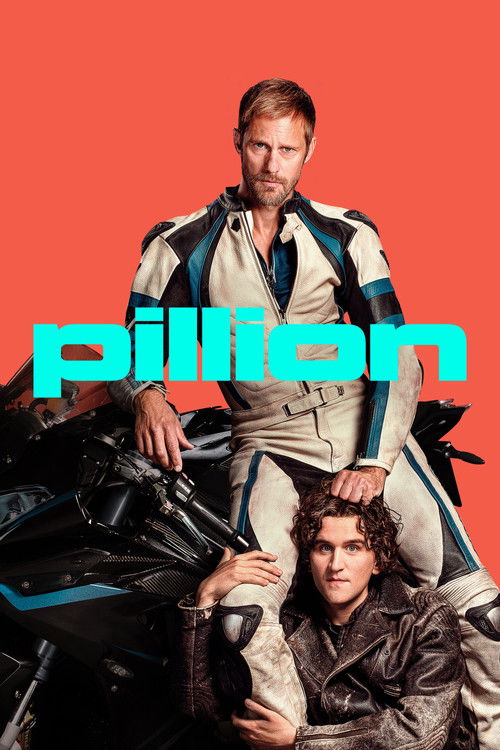
Pillion (2025)
Directed by Harry Lighton
Yes · Woke
How we score movies →Consciousness Markers
LGBTQ+ themes are central and explicit. The film examines gay male sexuality and BDSM dynamics within a same-sex relationship as legitimate emotional and relational territory, not as transgression or spectacle.
The film centers gay men with LGBTQ+ actors in lead roles, presenting their sexuality and relationship structures as the primary narrative focus without tokenism or apologetics.
Limited feminist messaging. While the film explores power dynamics and vulnerability, these are examined through the lens of gay male sexuality rather than through an explicitly feminist framework about gender or patriarchy.
Relatively low preachy messaging. Critical reception emphasizes the film's restraint and refusal to lecture. The filmmakers present their subject matter without explicit moralizing or educational commentary.
Limited body positivity messaging. The film features conventionally attractive male leads and does not appear to deliberately champion body diversity or challenge conventional physical standards.
Minimal anti-capitalist content. While the film depicts working-class characters, it does not appear to advance explicit anti-capitalist ideology or systemic economic critique.
Minimal engagement with neurodivergence themes. Colin is described as timid and socially awkward, but there is no indication these traits are framed through an explicitly neurodivergent lens.
No revisionist history detected. The film appears to be a contemporary character study with no apparent reinterpretation of historical events or narratives.
No significant racial consciousness or deliberate representation politics evident. The film does not appear to foreground racial themes or engage in explicit racial commentary.
No climate-related messaging detected. The film is a contemporary character study with no apparent environmental or climate crusade elements.
Synopsis
Colin, a timid gay man, is swept off his feet when Ray, an enigmatic and impossibly handsome biker, takes him on as his submissive in a crazy and erotic BDSM-focused relationship.
Why it received this score
Harry Lighton's debut feature occupies an interesting position in contemporary queer cinema: it treats the explicit depiction of gay sexuality and BDSM dynamics as the natural subject matter of serious drama rather than as transgressive spectacle. The film follows Colin, a timid man still entangled with his parents, who encounters Ray, a domineering biker, and finds himself drawn into a relationship structured around explicit power exchange. The earnestness here is notable. Lighton does not wink at the audience or treat the BDSM elements as comedy fodder, even as the film maintains its darkly comic tone about the collision between English suburban propriety and sexual desire.
The film's progressive sensibilities are concentrated primarily in its frank treatment of gay male sexuality and non-normative relationship structures. It presents these elements not as problems requiring resolution but as valid modes of human connection worthy of emotional complexity. However, the film does not appear to construct its narrative around explicitly preachy social messages about identity or representation. The representation present is functional rather than demonstrative. There is no sense that the filmmakers are performing progressive credentials for an audience. Instead, the work examines desire, vulnerability, and the ways we attach ourselves to people who teach us about ourselves, irrespective of whether those relationships prove sustainable.
What emerges from the critical reception is a film that has generated interest precisely because it refuses easy categorization. It is neither a manifesto nor an apology for the lives it depicts. The result is something considerably more interesting: a character study that happens to center gay men and sexual transgression without making either element the subject of self-conscious commentary. This restraint, this refusal to lecture, actually positions the film as less aggressively progressive in the contemporary sense than one might initially assume.
Analysis generated by our Consciousness Algorithm
Critic Reviews
“Pillion starts as it means to go on; aligning its oddly innocent nature with extreme, hardcore imagery, and managing to give screwball humour an emotional gravitas.”
“An unconventional love story that finds pathos amid the PVC, this triumphant directorial debut bares so much more than flesh. Bruising and brilliant.”
“What Lighton has achieved here is incredibly delicate, intuitive work, which never compromises on the story’s explicit nature or in the specificities of its subculture.”
“It’s odd to see a romance that commences with rough trade in an alleyway end up feeling like a spiritual descendent of Bend It Like Beckham. ”