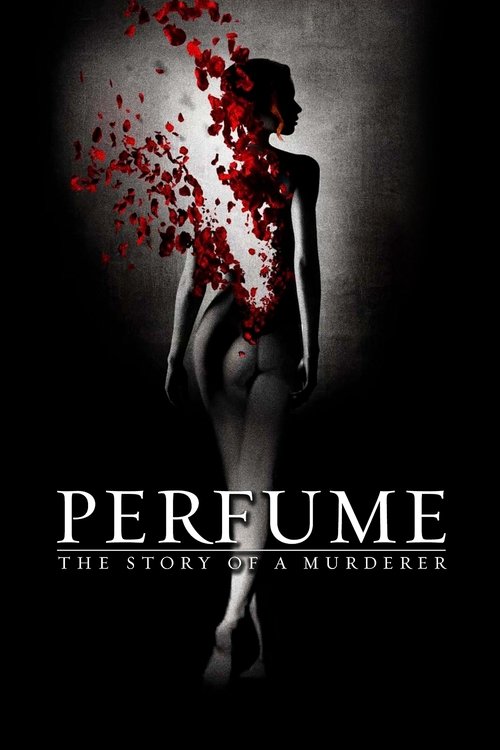
Perfume: The Story of a Murderer (2006)
Directed by Tom Tykwer
No · Ultra Based
How we score movies →Consciousness Markers
Predominantly white European cast appropriate to 18th-century Paris setting. No deliberate diversity initiatives or contemporary casting choices evident.
Class dynamics exist in the perfume industry setting, but no anti-capitalist messaging or systematic economic critique.
Grenouille's extreme sensory abilities suggest neurodivergence, but presented as criminal pathology rather than celebration of neurodiversity.
No LGBTQ+ themes, characters, or subtext present in the narrative.
Female characters exist primarily as victims. No feminist commentary or critique of violence against women.
Set in 18th-century Paris with no engagement with racial themes or consciousness.
No environmental themes or climate consciousness present.
No body positivity themes or celebration of diverse body types.
Fictional novel adaptation set in history; no historical narratives are revised or reframed.
Character study and sensory narrative with no moralizing or lectures about social issues.


Synopsis
Jean-Baptiste Grenouille, born in the stench of 18th century Paris, develops a superior olfactory sense, which he uses to create the world's finest perfumes. However, his work takes a dark turn as he tries to preserve scents in the search for the ultimate perfume.
Why it received this score
Tom Tykwer's adaptation of Patrick Süskind's novel is a sensory immersion into the mind of a sociopath, presented with remarkable technical precision and visual ambition. The film makes no pretense toward contemporary social consciousness, nor does it attempt to interrogate its own moral universe through the lens of modern progressive values. Grenouille's murders are depicted as the inevitable expression of his pathological genius, not as a problem requiring sociological explanation or critique of systemic violence.
The film's indifference to progressive sensibilities is almost refreshing in its purity. Female characters serve as victims, plot devices, and olfactory prey. There is no counternarrative, no feminist reframing, no suggestion that we should view the protagonist's predation through any lens other than aesthetic and philosophical fascination. The film asks us to marvel at Grenouille's talent and to understand, if not sympathize with, his compulsion to murder young women to capture their essence.
This is a work of 2006 that could have been made in 1996 or 1986 without significant alteration. It belongs to a different moral universe than the one currently occupied by mainstream commercial cinema. Its complete absence of social consciousness, whether progressive or reactionary, is its most distinctive feature. We are watching a serial killer film that has no interest whatsoever in the sociology of violence or the humanity of victims.
Analysis generated by our Consciousness Algorithm
Critic Reviews
“This is a dark, dark, dark film, focused on an obsession so complete and lonely it shuts out all other human experience. You may not savor it, but you will not stop watching it, in horror and fascination.”
“Most horror movies try to show us the man inside the monster, so we'll empathize with his moral dilemmas or feel his suffering. Perfume: The Story of a Murderer shows us a man who is all monster, whose colossal amorality makes him a potential Messiah or menace to humanity.”
“The film is downright repulsive in places, and otherwise pushes the envelope for an art film, but it's a dazzling piece of filmmaking that wins us over with its boldness and artistry.”