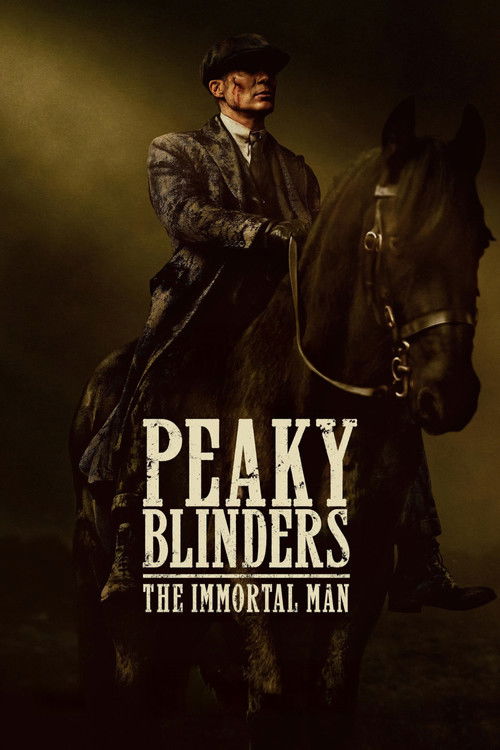
Peaky Blinders: The Immortal Man (2026)
Directed by Tom Harper · $45.2M domestic
No · Ultra Based
How we score movies →Consciousness Markers
The cast includes some diversity with Barry Keoghan and Rebecca Ferguson among the ensemble, but the central narrative remains focused on white male gangsters and patriarchal family structures without particular emphasis on inclusive casting choices.
The Peaky Blinders series has traditionally depicted criminal enterprise and working-class struggle, but the film does not appear to mount any systematic critique of capitalist structures or wealth inequality.
Sophie Rundle reprises her role as a female character within the Shelby family structure, but the narrative remains centered on masculine power and agency. Traditional gender roles within the criminal underworld are maintained rather than interrogated.
While the film engages with World War II history, it appears to treat the period in conventional terms rather than offering revisionist reinterpretation of historical events or power structures.
The film is set in a historical period and deals with Nazi antagonists, but shows no indication of exploring racial consciousness or systemic racism beyond the obvious villainy of fascism.
The film maintains the dramatic momentum and character-focused storytelling of the original series. No indication of preachy messaging or explicit moral instruction delivered through exposition.
No meaningful LGBTQ+ themes or representation are evident in the plot summary or available critical materials. The film remains entirely focused on heterosexual family dynamics and male-centered criminal enterprise.
No evidence of climate-related themes or environmental consciousness. The narrative concerns itself entirely with wartime crime and family intrigue.
No indication of body positivity messaging or commentary on physical appearance and beauty standards. The film maintains traditional Hollywood aesthetic standards.
No evidence of neurodivergent representation or meaningful engagement with disability or neurological difference as themes.
Synopsis
After his estranged son gets embroiled in a Nazi plot, self-exiled gangster Tommy Shelby must return to Birmingham to save his family — and his nation.
Why it received this score
Peaky Blinders: The Immortal Man represents the natural endpoint of a beloved crime saga transplanted to the big screen, and it brings with it all the aesthetic refinement and narrative conservatism we have come to expect from the franchise. The film concerns itself primarily with the mechanics of wartime intrigue, family loyalty, and personal vengeance set against the backdrop of 1940s Birmingham and Nazi threats. Director Tom Harper maintains the visual sophistication that distinguished the television series, but the script shows little interest in interrogating the social structures that underpin its narrative or offering any meaningful commentary on contemporary cultural anxieties.
The ensemble cast, which includes returning performers alongside new additions like Rebecca Ferguson and Barry Keoghan, moves through the plot with professional competence. Their characters exist within a world of clearly defined moral hierarchies and traditional power dynamics. The film's treatment of its historical setting, while dramatically engaging, does not venture into revisionist territory or attempt to recontextualize the period through a modern lens. Nazis are presented as straightforward villains, family bonds as sacred imperatives, and masculine agency as the primary driver of consequence.
What emerges from this enterprise is a handsomely crafted period crime drama that has little patience for the progressive sensibilities that have come to dominate contemporary cinema. The film succeeds on its own terms, offering audiences the continuation they sought, but it remains indifferent to questions of representation, systemic inequality, or cultural consciousness. In the current landscape, such indifference reads almost as a deliberate aesthetic choice.
Analysis generated by our Consciousness Algorithm
Critic Reviews
“A rousing elegy to an underworld saga par excellence and, in particular, to a ruthless and tormented gangster whom, in Murphy’s expert hands, stands as an undisputed crime-fiction icon.”
“Propulsive and entertaining, Peaky Blinders: The Immortal Man has plenty to keep fans happy and a wider audience engaged.”
“No, it’s not subtle. The rock soundtrack thumps along with propulsive vigour (cue original tracks from Grian Chatten of Fontaines DC and Amy Taylor from Amyl and the Sniffers), the screen pulses with stylish slow-mo from the director Tom Harper (Heart of Stone), while the top-tier acting duo of Murphy and Keoghan bring some unexpected poignancy to an otherwise familiar Oedipal clash.”
“It’s stylish, yes, it has verve and swagger and real love for the time and the place. But this is Tommy Shelby and the Peaky Blinders playing their greatest hits on what feels a little like a farewell tour. Those peaks just aren’t as razor-sharp as they used to be.”