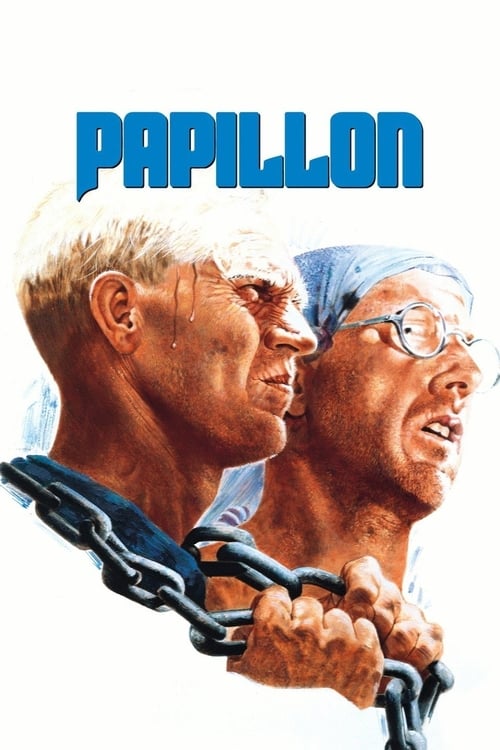
Papillon (1973)
Directed by Franklin J. Schaffner
No · Ultra Based
How we score movies →Consciousness Markers
The supporting cast includes actors of various backgrounds, but casting appears driven by character needs rather than conscious representation. No indication this was a deliberate diversity choice.
The film adapts a true story but takes narrative liberties typical of 1970s cinema. This is historical adaptation rather than conscious revisionism.
While the penal colony setting involves prisoners from various backgrounds, there is no explicit examination of racial dynamics or systemic racial injustice.
No LGBTQ+ themes, characters, or representation present. The male friendship is presented as purely platonic mentorship and survival bonding.
The film contains virtually no female characters and makes no engagement with feminist themes or women's perspectives.
No environmental themes or climate consciousness. The jungle setting serves purely as a plot element.
The film presents no critique of capitalism or class systems. It is fundamentally an individual escape narrative.
No body positivity messaging. The film depicts physical suffering and bodily degradation as natural consequences of imprisonment.
No engagement with neurodivergence or mental health as identity categories deserving representation or validation.
The film contains no moralizing commentary, no direct address to the viewer about social issues, and no preachy impulse.


Synopsis
A man befriends a fellow criminal as the two of them begin serving their sentence on a dreadful prison island, which inspires the man to plot his escape.
Why it received this score
Papillon stands as a monument to an older cinematic tradition, the kind of film that concerns itself with plot mechanics and the physical ordeal of its protagonist rather than the ideological implications of its narrative choices. The 1973 adventure-drama, based on Henri Charriere's autobiography, presents a straightforward tale of imprisonment and escape, with Steve McQueen embodying the determined convict and Dustin Hoffman playing his needy companion. The film's engagement with its subject matter is primarily visceral rather than reflective.
The cultural sensibilities on display here are those of early 1970s Hollywood, an era before the contemporary constellation of progressive social consciousness became a fixture of mainstream filmmaking. While the story does feature a diverse supporting cast and touches obliquely on themes of institutional cruelty, these elements serve the narrative rather than functioning as statements about systemic injustice or marginalization. The film's interest lies in the mechanics of survival and escape, not in examining power structures or demanding viewer consciousness-raising on social matters.
One observes here the absence of what would later become standard markers of contemporary cultural awareness. There is no interrogation of the criminal justice system's underlying premises, no celebration of marginalized identity, no environmental consciousness, no discourse on representation or diversity as values in themselves. Papillon is simply a prison film, concerned with whether its hero can survive and flee. In this sense, it represents an innocence now lost to cinema, a time when stories could exist primarily to tell themselves rather than to serve as vehicles for cultural instruction.
Analysis generated by our Consciousness Algorithm
Critic Reviews
“Noer isn’t interested in the pulpy, wannabe mythic journey of Papillon when there’s a meatier through-line highlighting our humanity in dire straits. Rather than make his film about how far our bodies can go, he seeks to portray the lengths are hearts will.”
“As director Michael Noer struggles to tease a theme out of a string of exploits, Papillon remains as entertaining as ever.”
“It is an impressively staged and appropriately rain-soaked, mud-splattered, bone-crunching tale, more violent and filled with rougher language than its predecessor, if not quite as powerful or moving.”
“With no unique viewpoint on the story of its own, it’s perplexing why Papillon went in front of cameras at all.”