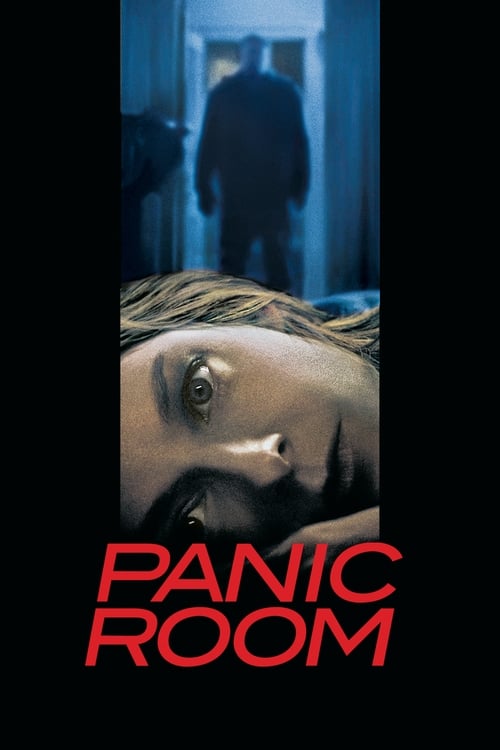
Panic Room (2002)
Directed by David Fincher
No · Ultra Based
How we score movies →Consciousness Markers
The film features a diverse ensemble cast including Forest Whitaker, Jared Leto, and Dwight Yoakam, but their inclusion appears incidental to plot function rather than a deliberate representation statement. Casting reflects mainstream 2002 Hollywood without progressive intent.
While the protagonist is female and capable, her agency derives from survival necessity rather than feminist commentary. The film does not engage with gender as a thematic concern.
The plot involves wealth and burglary motivated by money in a panic room, but this operates as pure plot mechanics without social critique of capitalism or inequality.
The daughter character has diabetes, mentioned functionally in the plot, but this is treated as a plot complication rather than progressive disability representation.
No LGBTQ+ themes, characters, or representation present in the narrative.
The diverse cast serves functional roles without any exploration of racial identity, consciousness, or commentary.
No environmental or climate-related themes appear in the film.
No body positivity messaging or commentary is present in the film.
This is a contemporary thriller with no historical narrative or revisionist historical themes.
The film maintains narrative momentum without pausing for preachy speeches or moral lectures about social issues.


Synopsis
Trapped in their New York brownstone's panic room, a hidden chamber built as a sanctuary in the event of break-ins, newly divorced Meg Altman and her young daughter Sarah play a deadly game of cat-and-mouse with three intruders - Burnham, Raoul and Junior - during a brutal home invasion. But the room itself is the focal point because what the intruders really want is inside it.
Why it received this score
Panic Room represents the pre-awakening sensibilities of early 2000s thriller cinema, a film concerned almost entirely with mechanical suspense rather than social consciousness. David Fincher constructs an immaculate exercise in genre constraint, trapping viewers alongside his protagonists in a narrative space where broader cultural questions cannot penetrate. The film's diversity of cast serves no discernible representational purpose; Forest Whitaker, Jared Leto, and Dwight Yoakam function as interchangeable antagonists in a zero-sum conflict over money and survival. Jodie Foster's Meg Altman operates as a capable protagonist by necessity of the plot, not by design of progressive filmmaking. She must protect her diabetic daughter in a confined space, a scenario that generates tension but not commentary.
The film's engagement with class operates purely as plot mechanics. Three men break into a wealthy woman's home seeking a fortune locked in her newly installed panic room. This setup generates the thriller's central irony and conflict but never interrogates wealth, privilege, or economic inequality. The intruders are not sympathetic figures with structural grievances; they are simply criminals pursuing an objective. Meg's diabetes-dependent daughter enters the narrative as a complicating factor, a vulnerability to be managed, rather than as a vehicle for disability representation or neurodivergent consciousness.
Panic Room arrived in 2002 with no agenda beyond excellence in craft and suspense. It topped the box office during its opening weekend with a $30 million gross, a commercial success that reflected audience appetite for taut genre entertainment rather than social messaging. By contemporary standards, this restraint reads as almost quaint. The film believed its job was to deliver thrills, not to instruct its audience in the virtues of equity and awareness. One observes this absence not as a criticism but as historical fact.
Analysis generated by our Consciousness Algorithm
Critic Reviews
“There is something horribly apt in the way Fincher closes the drama in joyless exhaustion, leaving you certain that there will be a sequel to these events, not onscreen but in someone's home, tonight. [8 April 2002, p. 95]”
“An old-house thriller retrofitted for the 21st century without any touch of unneeded flash, Panic Room is scary enough to do for downtown living what Jaws did for beaches.”
“The cumulative effect is less thrilling than it is merely amusing.”