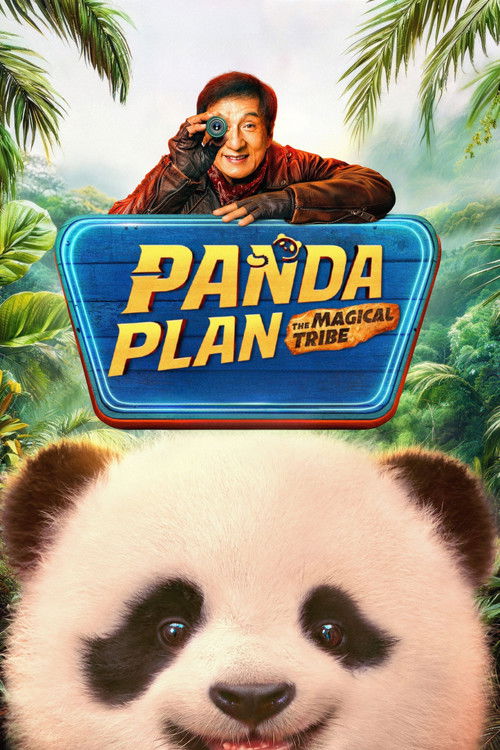
Panda Plan: The Magical Tribe (2026)
Directed by Derek Hui Wang-Yu
No · Ultra Based
How we score movies →Consciousness Markers
The film explicitly emphasizes lessons about friendship, courage, and cultural wonder, delivering moral instruction in the preachy manner typical of family entertainment.
All-Asian cast reflects the film's Chinese production and target market rather than deliberate diversity consciousness. The casting appears circumstantial rather than ideologically motivated.
The 'mysterious tribe' premise invokes colonial narrative structures where outsiders help 'primitive' peoples. The film does not interrogate these dynamics or demonstrate racial consciousness.
Ma Li plays the tribe's chief, a female authority figure. However, this appears incidental to the plot rather than expressing feminist consciousness or thematic engagement.
A panda serves as the central character, reflecting conservation interest, but the film shows no engagement with climate activism or environmental consciousness.
International robbers function as antagonists but represent simple villainy rather than critique of wealth, capitalism, or systemic inequality.
No LGBTQ+ themes, representation, or references apparent in this family-oriented action-comedy about a panda and Jackie Chan.
No apparent engagement with body image, body positivity messaging, or related themes in this family action-adventure film.
No representation of neurodivergent characters or exploration of neurodivergence in the plot or characterization.
The film is set in a fictional fantasy context rather than engaging with historical narratives, so revisionist history does not apply.
Synopsis
The panda "Huhu" is about to move into a brand new panda enclosure when he's suddenly confronted by international robbers. Huhu falls off a cliff while battling the robbers, only to awaken to discover he's in a mysterious tribe. To return to the enclosure, this intriguing team helps the tribe solve various problems.
Why it received this score
Panda Plan: The Magical Tribe represents the aesthetic of contemporary family entertainment, which is to say it contains almost none of the specific cultural markers that define the progressive sensibilities of the 2020s. The film arrives as a sequel to a 2024 hit, positioning itself firmly in the tradition of Jackie Chan action-comedy vehicles: a vehicle, quite literally, for Chan's panda-enthusiast brand and his remaining box office appeal at seventy-one years old. The plot mechanics invoke colonial-era narrative structures in which outsiders (a kung-fu star and a panda) arrive among a "mysterious tribe" to solve their problems, a dynamic the film appears content to treat as simple adventure material rather than subject for interrogation.
Where the film does gesture toward contemporary sensibilities, the gestures remain decorative rather than thematic. Ma Li's role as the tribe's chief represents female authority but signals no deeper engagement with feminist consciousness. The emphasis on friendship, courage, and cultural wonder amounts to the sort of moral instruction that family films have delivered for decades. The film's wholesome reception in reviews suggests it succeeds at its intended function: entertaining audiences during the Chinese New Year period with action sequences and comedy that, by most accounts, grow increasingly lazy as the narrative progresses.
The fundamental measure of cultural consciousness in contemporary cinema requires more than the mere presence of female characters or international casts. This film demonstrates how a 2026 release can remain almost entirely untouched by the specific progressive preoccupations that have shaped discourse over the past several years. It is, in the most literal sense, a throwback, packaged with contemporary production values and a beloved action star whose genuine passion for pandas provides the only authentic cultural throughline.
Analysis generated by our Consciousness Algorithm
Critic Reviews
“Panda Plan: The Magical Tribe defies all expectations as a marked improvement on its predecessor in almost every conceivable way.”
“Franchise newcomer Derek Hui doubles down the painfully juvenile approach in this grating sequel.”