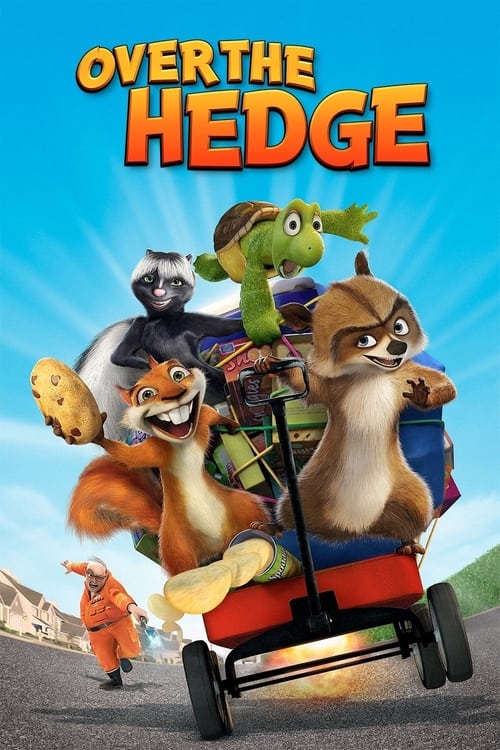
Over the Hedge (2006)
Directed by Karey Kirkpatrick
No · Based
How we score movies →Consciousness Markers
The film engages with environmental themes through its depiction of habitat destruction and suburban sprawl, but the critique is delivered lightly and functions primarily as plot device rather than urgent messaging.
The cast includes minority voice actors like Wanda Sykes and Eugene Levy, but this diversity appears incidental rather than intentional or celebrated. Characters exist without particular emphasis on their identities.
The film satirizes suburban consumerism and materialistic human culture, but this critique remains gentle and comedic rather than systematic or ideologically rigorous.
The film contains a general message about family and community but avoids preachy moralizing. The tone remains light and comedic rather than preachy or pedagogical.
Female characters exist in the ensemble but occupy secondary roles. The narrative centers on the male raccoon protagonist with female characters providing support.
No LGBTQ themes, characters, or representation present in the film.
While the cast is diverse, the film contains no exploration of racial themes or racial consciousness. Diversity appears as simple representation without commentary.
No body positivity themes or commentary present in the film.
No representation of or commentary on neurodivergence present in the film.
The film contains no historical elements or revisionist historical commentary.


Synopsis
A scheming raccoon fools a mismatched family of forest creatures into helping him repay a debt of food, by invading the new suburban sprawl that popped up while they were hibernating – and learns a lesson about family himself.
Why it received this score
This 2006 DreamWorks film presents a relatively straightforward narrative about forest creatures defending their habitat against suburban development. The environmental consciousness present in the film is genuine but operates at a fairly elementary level, suitable for its family audience. The film critiques consumerism and suburban excess through its depiction of materialistic humans and their disposable culture, though this commentary is delivered with a light touch rather than the preachy precision one might expect from more contemporary animated features.
The cast is notably diverse for a 2006 animated film, featuring voice work from Wanda Sykes and other minority performers, though the film does not make a particular point of this diversity, nor does it engage in any meaningful exploration of racial or gender themes beyond simple representation. The female characters, while present, occupy supporting roles within a narrative that remains fundamentally focused on the male raccoon protagonist and his schemes. There are no discernible LGBTQ themes, neurodivergent representation, or body positivity messaging. The film's approach to history is entirely apolitical.
The lecture energy is modest. While the film contains a message about family and community, it avoids the heavy-handed moralizing that characterizes more aggressively progressive animated features. The environmental critique, while present, functions as backdrop rather than sermon. This restraint actually distinguishes it from many contemporary animated films that wear their social consciousness with considerably more visible earnestness.
Analysis generated by our Consciousness Algorithm
Critic Reviews
“Over The Hedge stands out as genuinely witty and even a little barbed. Its chipper, sneering outsider's look at suburban sprawl and conformity isn't going to change the world, but it's still self-aware enough to be reasonably smart.”
“The film stays true to its characters and keeps the laughs coming in what may be the closest thing in spirit to the old Warner Bros. Looney Tunes to hit the screen in years. And when it comes to animation designed primarily for laughs, praise doesn't come any higher than that.”
“This isn't much of a plot, but as in the "Toy Story" films the combination of a varied cast of characters and a vision of the human world from an unlikely perspective make for consistent amusement.”