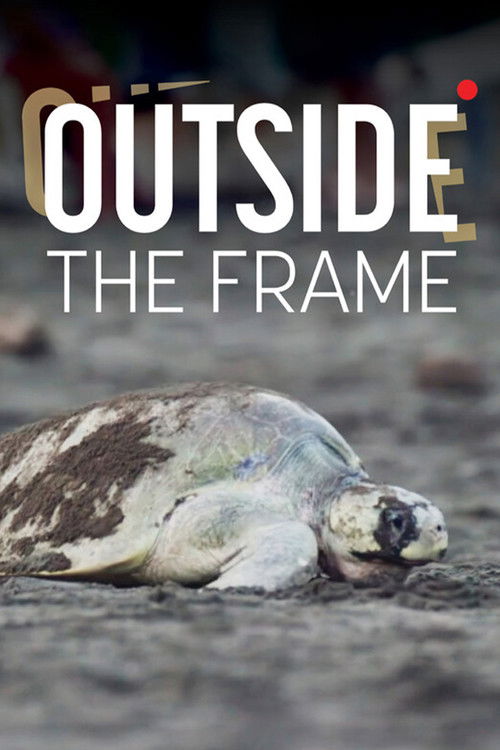
Outside The Frame (2026)
Directed by Duane Sharman
Partly · Woke-Adjacent
How we score movies →Consciousness Markers
Climate change and human environmental impact form the documentary's central thesis. The film explicitly highlights melting polar ice, burning forests, and species extinction as consequences of human activity, positioning climate consciousness as moral imperative.
The documentary's critique of 'man's impact' and industrial systems carries implicit anti-capitalist undertones, though it does not appear to offer explicit analysis of capitalism or advocate for alternative economic systems.
The documentary balances visual storytelling with implicit moral instruction about environmental responsibility. The contrast structure ('pristine spaces versus human impact') carries preachy weight without explicit narration, suggesting moderate lecture energy.
The documentary features seven filmmakers, but without detailed information about their backgrounds or deliberate casting choices, the representation element remains unclear. The focus on diverse perspectives appears more functional than ideologically motivated.
The documentary does not appear to center racial analysis or explore how environmental degradation intersects with racial justice, though environmental activism increasingly embraces these connections.
While the film may include female filmmakers among its seven-person team, there is no indication of explicit feminist themes or critique of gender dynamics in the narrative.
The film does not appear to engage in revisionist historical narratives, though environmental documentaries often critique the industrial history that led to current ecological crises.
No LGBTQ+ themes or representation are evident in the documentary's focus on wildlife filmmaking and environmental conservation.
Body positivity has no relevance to a wildlife documentary focused on endangered species and environmental conservation.
Neurodivergence representation does not appear to factor into this documentary's thematic framework or narrative approach.
Synopsis
Follow a team of seven wildlife filmmakers in their search for endangered species, and the contrast that they discover between pristine wild spaces and the reality of man's impact.
Why it received this score
Outside The Frame arrives as a contemporary wildlife documentary that has clearly absorbed the visual grammar and thematic preoccupations of 2020s environmental consciousness. Seven filmmakers venture into endangered habitats to document species in peril, framing their work around the contrast between ecological pristinity and the degradations wrought by human activity. The film's architecture positions climate change not as a distant scientific abstraction but as an immediate, observable reality that can be captured on camera. This approach carries the hallmarks of modern progressive sensibility: the elevation of environmental crisis to moral urgency, the implicit condemnation of industrial civilization, and the suggestion that bearing witness to destruction constitutes a form of activism.
The documentary's strength lies in its specificity. Rather than deliver lectures about systemic environmental collapse, it grounds its arguments in concrete imagery of melting ice, burning forests, and species struggling for survival. The filmmaking team itself becomes part of the narrative, their presence suggesting that documentation itself is an act of resistance against erasure. Yet this framing also reveals the documentary's ideological commitments: the implicit belief that visibility equals accountability, that showing the problem constitutes progress toward its solution. The film operates within the contemporary register of environmental activism, where climate consciousness has become not merely a political position but a marker of moral sophistication.
What distinguishes this work from purely environmental filmmaking is its absorption of broader cultural preoccupations. The focus on diverse perspectives (seven filmmakers rather than a single auteur) and the emphasis on systems of human activity rather than individual villains reflects the distributed responsibility model favored by contemporary progressive analysis. The film does not appear to engage in revisionist history or explore representation in explicit ways, but it carries the unmistakable imprint of 2020s sensibility in how it frames the relationship between humans and nature as one of systemic, collective culpability.
Analysis generated by our Consciousness Algorithm