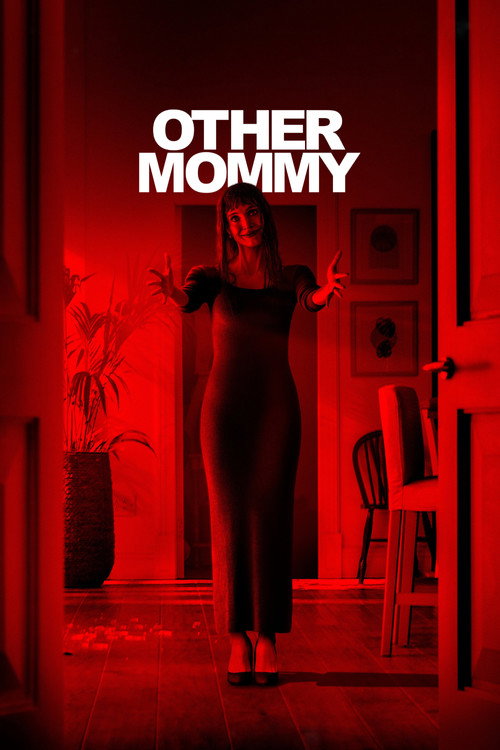
Is Other Mommy (2026) Woke?
Other Mommy · 2026 · Directed by Rob Savage · $44.7M domestic
Woke Score
CriticCritic Score
Audience
Ultra Based
Critics rated this 24 points above its woke score. Among Ultra Based films, this critic score ranks #1386 of 1501.
Answer: No
Woke Score 15/100 · Verdict: Ultra Based
Strongest markers: Feminist Agenda (28) · Representation Casting (15) · Lecture Energy (8)
Representation Casting
Score: 15/100
The cast includes Dichen Lachman, Arian Moayed, and Alec Secăreanu alongside a predominantly white ensemble, reflecting a casually diverse supporting roster. No evidence that casting choices were framed as representational statements in the film's discourse.
LGBTQ+ Themes
Score: 0/100
No LGBTQ+ characters, themes, or subtext appear in the film or its surrounding cultural discussion. The score is 0.
Feminist Agenda
Score: 28/100
The domestic architecture is deliberately inverted: Jessica Chastain plays a career-driven mother while Jay Duplass plays a stay-at-home father. Critical coverage explicitly flagged this as a 'girl-boss mom' dynamic, and the monster's power derives from exploiting the guilt of a woman who works outside the home.
Racial Consciousness
Score: 0/100
No racial consciousness framing, commentary, or narrative function was identified in the film or its critical reception. The score is 0.
Climate Crusade
Score: 0/100
No climate or environmental themes are present in this supernatural domestic horror film. The score is 0.
Eat the Rich
Score: 0/100
No anti-capitalist messaging or class critique was identified. The score is 0.
Body Positivity
Score: 0/100
No body positivity themes are present. The score is 0.
Neurodivergence
Score: 0/100
No neurodivergence themes or representation were identified in the film or its cultural reception. The score is 0.
Revisionist History
Score: 0/100
The film is an original supernatural horror narrative with no historical setting or revisionist framing. The score is 0.
Lecture Energy
Score: 8/100
The film gestures toward commentary on maternal burnout and parental emotional absence, but critics noted it traded atmospheric dread for jump scares rather than sustained thematic argument. Any sermonizing impulse appears to have been scattered by chaotic pacing.
Synopsis
Young Bela forms a relationship with a sinister entity in her home that looks uncannily like her own mother, drawing her into a terrifying and increasingly dark world.
Why it received this score
Rob Savage's *Other Mommy* arrives bearing the full weight of the Blumhouse industrial apparatus and the somewhat unearned confidence of a film that debuted at number one despite a 19% critical approval rating. It is, in its way, a perfect object: a horror film about a shape-shifting maternal entity that exploits a child's emotional needs, produced by a studio system that itself excels at exploiting audience emotional needs. The symmetry is not lost on this critic, though it was presumably lost on the marketing department.
The film's most legible contribution to the current cultural conversation is its domestic arrangement. The mother, Ursula, is career-driven and perpetually distracted. The father, Daddo, is warm, present, and conspicuously unbothered by traditional masculine expectation. The monster, naturally, fills the gap that a working mother leaves behind, offering the child unlimited affection in exchange for access. Whether this constitutes a feminist critique of maternal guilt, a conservative anxiety about mothers who work too much, or simply a plot mechanism that required a parental imbalance to function, the film declines to specify. It earns modest marks for the gender-role inversion while declining to do much with it.
Beyond that single structural choice, the film's progressive credentials are thin. The ensemble is casually diverse in the way that modern studio horror tends to be casually diverse: present, unremarkable, not a statement. The monster does not represent capitalism, climate anxiety, or the gender pay gap. It represents a monster. In an era when horror films are frequently conscripted into allegorical service, *Other Mommy* mostly just wants to frighten you, and by most accounts fails to do even that with consistency. There is something almost refreshing about a film this commercially successful and this ideologically inert. Almost.
Analysis generated by our Consciousness Algorithm
Critic Reviews
“Though Rob Savage’s film cares little for reason, its unbridled rollercoaster momentum and hallucinatory haunted-house energy make it a thriller fit for a Friday night out at the multiplex with friends.”
“The film plays like a run-on sentence with no periods or semicolons, packing in a series of quickly cut incidents and offering small indications of plot and characterization without bothering to languish in a set piece or fill in a backstory. This approach is sometimes thrilling, because it spares us the creaky setup we’ve come to expect from many a horror film, and because it expedites story beats and character arcs that might otherwise feel rote and de rigueur.”
“The main thing holding “Other Mommy” back from being an even better machine to unnerve you is a sense of perspective that extends beyond its programmatic scares. ”
“The finished product is among the most limp and ineffectual works to grace the screen this year, misfiring in every direction, including and especially its tone.”
Related rankings
Consciousness Markers
The cast includes Dichen Lachman, Arian Moayed, and Alec Secăreanu alongside a predominantly white ensemble, reflecting a casually diverse supporting roster. No evidence that casting choices were framed as representational statements in the film's discourse.
No LGBTQ+ characters, themes, or subtext appear in the film or its surrounding cultural discussion. The score is 0.
The domestic architecture is deliberately inverted: Jessica Chastain plays a career-driven mother while Jay Duplass plays a stay-at-home father. Critical coverage explicitly flagged this as a 'girl-boss mom' dynamic, and the monster's power derives from exploiting the guilt of a woman who works outside the home.
No racial consciousness framing, commentary, or narrative function was identified in the film or its critical reception. The score is 0.
No climate or environmental themes are present in this supernatural domestic horror film. The score is 0.
No anti-capitalist messaging or class critique was identified. The score is 0.
No body positivity themes are present. The score is 0.
No neurodivergence themes or representation were identified in the film or its cultural reception. The score is 0.
The film is an original supernatural horror narrative with no historical setting or revisionist framing. The score is 0.
The film gestures toward commentary on maternal burnout and parental emotional absence, but critics noted it traded atmospheric dread for jump scares rather than sustained thematic argument. Any sermonizing impulse appears to have been scattered by chaotic pacing.