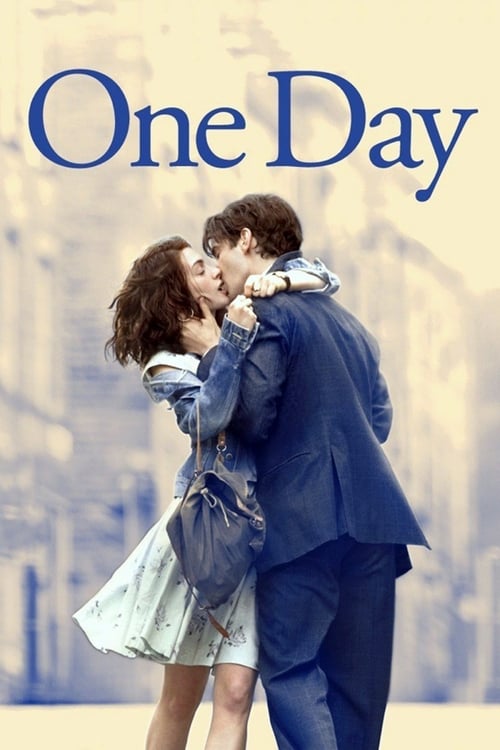
One Day (2011)
Directed by Lone Scherfig
No · Ultra Based
How we score movies →Consciousness Markers
The film features a female lead with professional ambitions and agency, though this is presented as narrative element rather than thematic statement. Casting reflects British setting without particular emphasis on diversity.
Emma pursues education and acting, showing agency and ambition. However, the narrative does not frame her journey through feminist ideology or systemic gender analysis.
The film depicts class difference between characters (Emma from working-class background, Dexter from privilege), but does not critique capitalism or wealth structures.
The film occasionally includes dialogue about life choices and ambition, but this emerges organically from character interaction rather than as preachy messaging.
No LGBTQ+ themes, characters, or representation are present in the film.
The film contains no engagement with racial themes, identity, or consciousness. Race is not addressed as thematic concern.
No climate themes, environmental consciousness, or ecological messaging appear in the film.
No body positivity messaging, fat representation, or discourse regarding physical diversity is present.
No neurodivergent characters or representation of autism, ADHD, or other neurotypes appear in the film.
The film spans 1988-2008 but does not reframe historical events through contemporary progressive ideology.


Synopsis
A romantic comedy centered on Dexter and Emma, who first meet during their graduation in 1988 and proceed to keep in touch regularly. The film follows what they do on July 15 annually, usually doing something together.
Why it received this score
One Day is a romantic drama that chronicles the relationship between Emma and Dexter across two decades, following their annual reunions on the same date each year. The film concerns itself with intimate emotional landscapes: ambition, love, class difference, and the paths not taken. Anne Hathaway's Emma is presented as a woman with professional aspirations and agency, though this characterization emerges naturally from the narrative rather than as thematic commentary on gender liberation. The film does not construct its emotional architecture around contemporary progressive sensibilities.
Director Lone Scherfig maintains a focus on interpersonal dynamics and romantic longing. The narrative encompasses the period from 1988 to 2008 without attempting to reframe historical moments through a contemporary ideological lens. There is no engagement with climate consciousness, anti-capitalist critique, neurodivergence, or systemic injustice. The film's representation reflects its British setting and narrative choices without particular emphasis on diversity as thematic concern. The production is fundamentally a pre-2015 romantic drama in execution and sensibility.
This is a work of emotional specificity rather than social positioning. It asks whether two people can sustain connection across time and changing circumstances, not whether systems require dismantling. The film occupies a register of personal rather than political consciousness, rendering it largely peripheral to contemporary progressive cultural markers. It is competent in its genre, but indifferent to the specific markers of 2020s social awareness.
Analysis generated by our Consciousness Algorithm
Critic Reviews
“One Day is a beautiful movie, but beautiful in a way that life often is, not movies. Nothing is sudden or easy, either for the characters or for the audience, and there are no thunderbolts from the blue. ”
“One Day is an aching lovely romance, but it's also an insightful look at human potential and the search for a purposeful existence.”
“In a season of movies dumb and dumber, One Day has style, freshness, and witty bantering dialogue.”
“This tear-jerking twaddle, adapted by David Nicholls from his 2009 bestseller, is nearly as bad as Anne Hathaway's British accent, which is heading for infamy.”