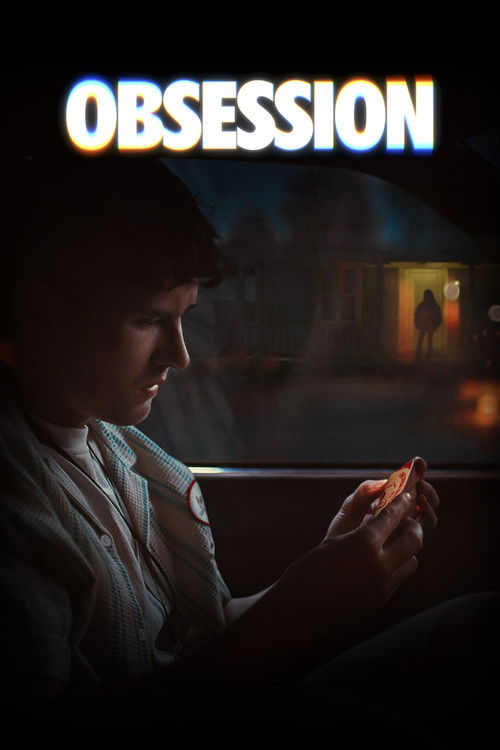
Obsession (2026)
Directed by Curry Barker · $261.4M domestic
No · Based
How we score movies →Consciousness Markers
The film's central horror conceit inverts the possessive-male dynamic by placing the protagonist on the receiving end of a woman's yandere obsession, functioning as a structural commentary on gendered control. The critique is embedded in genre mechanics rather than delivered as a manifesto, which keeps the score modest.
The manosphere and 'nice guy' critique is present in the film's DNA, and director Curry Barker has discussed these themes explicitly in interviews. However, critics describe the messaging as arriving through horror and dark comedy rather than through characters delivering speeches at the audience.
The ensemble includes African American and Asian cast members in working- and middle-class roles, noted by critics as incidental diversity. There is no evidence this was a deliberate progressive casting statement or a theme the film dwells upon.
No LGBTQ+ characters, themes, or subtext have been identified in any available coverage of the film.
No racial consciousness themes, interracial tension narratives, or commentary on systemic racism have been identified in the film's critical reception.
The film contains no climate or environmental messaging of any kind.
No anti-capitalist or class-warfare themes have been identified. The supernatural wish-fulfillment premise is not framed as a critique of consumer culture.
No body positivity themes or related character arcs have been identified in the film.
No neurodivergent characters or related themes have been identified in any coverage of the film.
The film is an original contemporary horror-thriller with no historical setting or revisionist impulse.


Synopsis
After breaking the mysterious "One Wish Willow" to win his crush's heart, a hopeless romantic finds himself getting exactly what he asked for but soon discovers that some desires come at a dark, sinister price.
Why it received this score
A 26-year-old YouTuber-turned-filmmaker walks into Blumhouse with a script about a man who breaks a magic wish-granting twig to get the girl, and what he gets instead is a horror film that critics are calling one of 2026's biggest box office success stories. This is the world we live in now. Curry Barker's *Obsession* deploys the supernatural wish-fulfillment premise as a delivery mechanism for commentary on the manosphere and the "nice guy" archetype, in which our hopeless romantic protagonist discovers, with appropriate narrative irony, that obsessive desire looks considerably less romantic when the obsession is pointed back at you. Inde Navarrette's performance as the yandere-inflected Nikki has been called star-making by multiple outlets, and the structural inversion at the film's core, where the man who wanted to be loved unconditionally is then trapped by unconditional love, does the thematic heavy lifting without requiring any character to pause the plot and explain it.
The social consciousness here is, to its credit, mostly load-bearing rather than decorative. Barker is not stopping the film to show us a TED Talk on male loneliness and possessive relationships. He is instead building those ideas into the architecture of the horror, so that the genre mechanics and the cultural critique arrive simultaneously. This is the preferred delivery method. The ensemble cast reflects a modest diversity in its background characters, noted in passing by critics and not treated as a narrative event, which is precisely how it should work. The lecture energy is present but kept on a low simmer, occasionally audible in interviews where the director explains what his film is about, which is a hazard of being 26.
*Obsession* ultimately scores low on the progressive-sensibility index not because it lacks ideas but because it has the discipline to hide them inside a horror movie. The manosphere critique lands because it is frightening first. The feminist inversion registers because it is earned by the plot. This is, in the taxonomy of culturally conscious filmmaking, the equivalent of a vegetable concealed inside a dish that tastes good. We note it, we classify it, and we move on.
Analysis generated by our Consciousness Algorithm