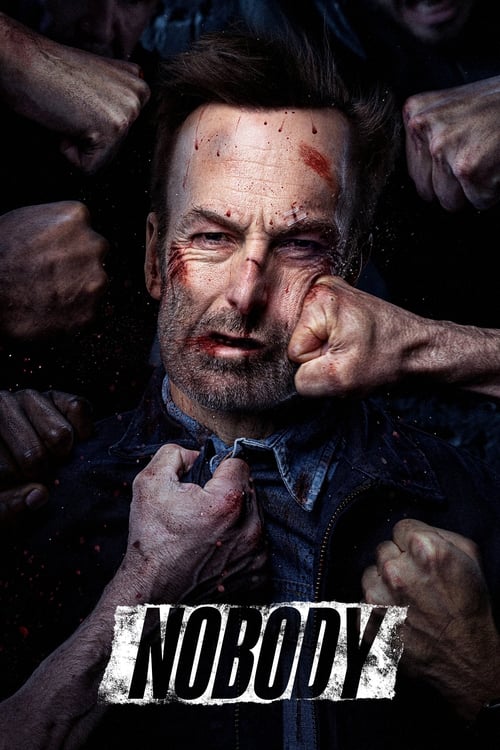
Nobody (2021)
Directed by Ilya Naishuller
No · Ultra Based
How we score movies →Consciousness Markers
The cast includes actors of color in supporting roles, but they function as narrative props without any exploration of their identities or experiences. This reflects default modern casting rather than deliberate representation work.
Connie Nielsen appears as a concerned wife, but her character exists primarily to validate Hutch's journey and has minimal agency. The film celebrates masculine violence and patriarchal authority.
No LGBTQ+ themes, characters, or subtext present in the film. Heterosexual family dynamics are the only relationship model presented.
No examination of racial themes, systemic racism, or racial identity. Characters of color exist without any commentary on their racial backgrounds or experiences.
No environmental themes or climate messaging of any kind appear in this action thriller.
The film contains no critique of capitalism, wealth inequality, or systemic economic exploitation. Hutch's conflict is personal rather than political.
No body diversity or body positivity messaging is present. The film features conventionally fit action stars without commentary on bodies.
No neurodivergent characters or representation of autism, ADHD, or other neurological differences appear in the film.
Nobody contains no historical elements or revisionist interpretations of real events. It is a contemporary fictional narrative.
The film does not pause for moral instruction or preachy messaging about social issues. It proceeds as a straightforward action vehicle without sermon-like qualities.


Synopsis
Hutch Mansell, a suburban dad, overlooked husband, nothing neighbor — a "nobody." When two thieves break into his home one night, Hutch's unknown long-simmering rage is ignited and propels him on a brutal path that will uncover dark secrets he fought to leave behind.
Why it received this score
Nobody operates with the aesthetic confidence of a film entirely unconcerned with questions of representation, equity, or systemic critique. It is, in the most literal sense, a vehicle for the reassertion of male violence as a form of personal liberation. Bob Odenkirk's Hutch Mansell begins as a neutered suburban husband who has abandoned his capacity for brutality, and the film's narrative arc celebrates his violent return to this capacity as cathartic self-actualization. The supporting cast, which includes actors of color, exists purely as functional elements within this masculine revenge fantasy. There is no interrogation of power structures, no questioning of the violence itself, and certainly no suggestion that Hutch's journey represents anything other than a man reclaiming what he believes is rightfully his.
The film's only marginal engagement with contemporary social consciousness arrives through its diverse casting, which appears to be default Hollywood practice rather than any deliberate statement about inclusion. Aleksey Serebryakov plays the Russian antagonist, RZA appears in a supporting role, and Connie Nielsen functions as the concerned wife. These choices reflect modern casting norms rather than any commitment to progressive representation. The film does not celebrate or examine these characters through any lens of cultural awareness. They are simply there, performing their narrative functions in service of Hutch's redemptive violence.
What emerges from this analysis is a film fundamentally indifferent to the entire apparatus of modern social consciousness. It asks no questions about toxic masculinity, celebrates the restoration of patriarchal authority, and frames the eruption of male rage as justified and even necessary. By the standards of contemporary progressive sensibility, Nobody represents a kind of cheerful regression, a text that treats the suburban man's suppression of violence as the true tragedy of the modern world. One watches it and understands that this is a film made for people who believe their problems stem from having been too constrained, too civilized, too emasculated. It is not hostile to progressive values so much as it is simply orthogonal to them.
Analysis generated by our Consciousness Algorithm
Critic Reviews
“Nobody is more violent lark than probing satire, but between Bob Odenkirk’s smartly underplayed performance, the surprises in the screenplay by Derek Kolstad (the “John Wick” series) and the puckishly brutal direction of Ilya Naishuller (“Hardcore Henry”), it’s a wonderfully paced and consistently clever action movie that ups the ante of a genre that’s been dominated by Liam Neeson clones.”
“Taking itself much less seriously than the Taken series and its predecessors, it's a wish-fulfillment romp just as ludicrous as any of them but more fun than most. ”
“Yes, it’s gruesome and violent, but it’s also wickedly funny and surprisingly poignant. And while those Keanu comparisons are always going to be there, Nobody easily holds a candle to Wick.”
“The filmmakers’ attempts to play around with the concept of the unlikely action hero are only moderately successful.”