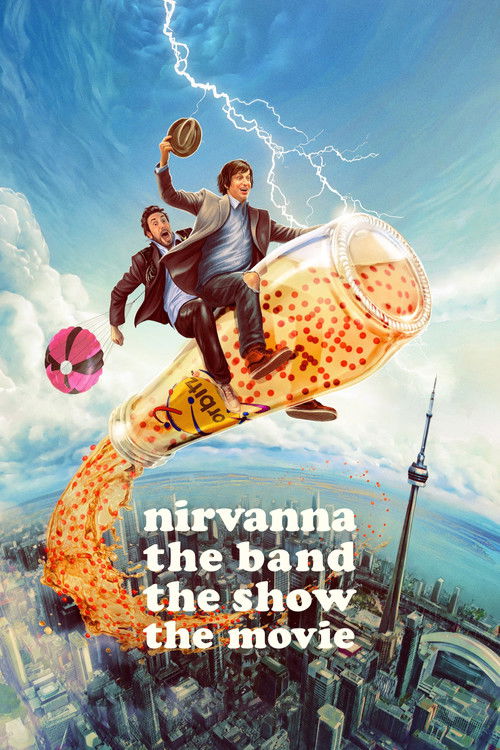
Nirvanna the Band the Show the Movie (2026)
Directed by Matt Johnson
No · Ultra Based
How we score movies →Consciousness Markers
The film involves time travel to 2008 and a 'Back to the Future' parody, but this appears to be comedic pastiche rather than revisionist reframing of historical events.
The narrative involves struggling musicians trying to book a venue, which touches on working-class concerns, but not in a way that critiques capitalism or systemic inequality.
The cast is predominantly white and male, centered around the two creators. No apparent effort toward demographic diversity in principal or supporting roles.
The narrative centers on male comedians and their friendship. While there are female cast members listed, the thematic focus appears to be gender-neutral rather than consciously feminist.
As a mockumentary comedy, the film likely contains some expository moments, but the format prioritizes humor and character over preachy messaging.
No LGBTQ+ themes, characters, or representation are evident in available information about the film's plot or cast.
No evidence of racial consciousness or commentary in the film's premise or available critical reception. The setting is Toronto, but race does not appear to be a thematic concern.
A time-travel comedy about booking a show has no apparent environmental themes or climate-related messaging.
No evidence of body positivity messaging or commentary on body image in the available information about the film.
No indication that neurodivergence is represented or discussed in this comedy about time travel and friendship.
Synopsis
When their plan to book a show at the Rivoli goes horribly wrong, Matt and Jay accidentally travel back to the year 2008. Blah blah blah.
Why it received this score
Nirvanna the Band the Show the Movie represents the culmination of a twenty-year creative obsession, and like most such obsessions, it is fundamentally indifferent to contemporary social consciousness. This is a film about two Canadian comedians trying to book a venue in Toronto, accidentally stumbling through time, and sustaining a friendship across decades. The mockumentary format and the verite filming approach create an authenticity that the filmmakers clearly prize above all else, including any consideration of how their cast or narrative might reflect the cultural moment in which the film arrives.
The film's humor derives almost entirely from character dynamics, absurdist scenarios, and the friction between the creators' youthful ambitions and their current reality. There are no villains to be redistributed wealth from, no oppressed communities whose representation is carefully calibrated, no environmental crises to be addressed through plot mechanics. The cast consists primarily of the creators themselves and their longtime collaborators, with no apparent consideration given to demographic diversity. This is not presented as a statement. It is simply the film that emerged from the filmmakers' vision.
What we have here is a comedy that has chosen its lane with admirable clarity: it is about the specific experience of aging indie artists in a specific Canadian city, filtered through the sensibilities of people who learned comedy on the internet in the 2000s. Whether one finds this approach refreshing or limiting depends largely on one's expectations. What cannot be disputed is that the film has almost no interest in signaling awareness of progressive social frameworks. It simply makes its jokes and moves forward.
Analysis generated by our Consciousness Algorithm
Critic Reviews
“If you’re not at all familiar with the originals, but you know and/or love Back to the Future, that should be enough to guarantee you a good time at this almost-lawsuit-worthy homage/parody to the 1980s time travel classic. And if perchance you already love both Nirvanna and BTTF, then strap in, because when this movie hits 88 kilometres an hour…”
“An achievement as unlikely as it is inspired.”
“It’s movies like these that prove that cinema still has the capacity to surprise, even in criminally goofy comedies like this.”
“This overly meta farce beats its mildly silly jokes so steadily into the ground that it’s not so much a case of diminishing returns as humor abuse.”