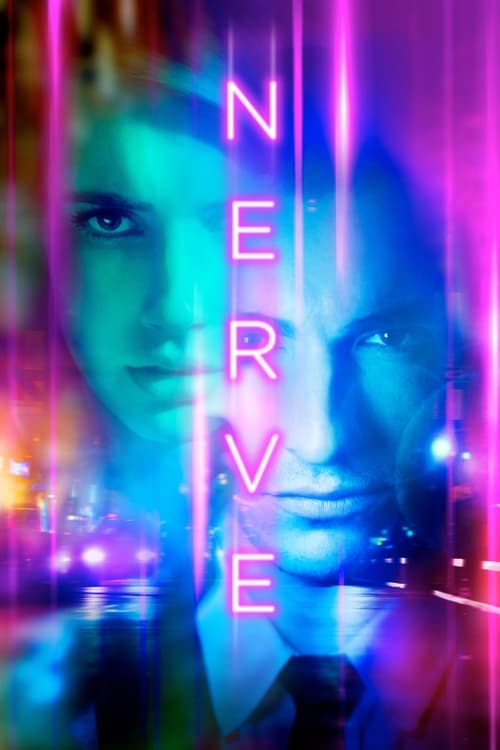
Nerve (2016)
Directed by Henry Joost
No · Based
How we score movies →Consciousness Markers
The cast includes multiple actors of color (Samira Wiley, Kimiko Glenn, Marc John Jefferies) positioned naturally within the ensemble without tokenization. Casting reflects contemporary diversity standards for teen ensemble films.
The protagonist is female and drives the narrative through her own agency rather than being rescued by a male hero. However, this choice serves plot mechanics rather than feminist ideology, and the film lacks any sustained examination of gender dynamics or women's experiences.
The film occasionally delivers cautionary messaging about internet culture and peer pressure, but these moments are integrated into dialogue rather than becoming preachy lectures. The film mostly allows plot to carry thematic weight.
The film critiques a for-profit online game and its exploitative structure, though this critique remains superficial and does not extend to broader systems of capitalism or corporate power. The game functions as a plot device rather than a vehicle for anti-capitalist messaging.
Racial diversity exists in the casting but receives no thematic engagement. Characters of color are present without any specific attention to racial identity or experience, reflecting the colorblind casting approach.
No LGBTQ+ themes, characters, or representation present in the film. Sexual orientation and gender identity are not addressed.
No climate-related themes, messaging, or environmental consciousness present in the film.
No body positivity messaging or representation of diverse body types. The film does not engage with themes of body acceptance or challenge conventional beauty standards.
No representation of neurodivergent characters or engagement with neurodiversity themes.
The film is set in contemporary times and contains no historical narratives or revisionist historical elements.


Synopsis
Industrious high school senior Vee Delmonico has had it with living life on the sidelines. When pressured by friends to join the popular online game Nerve, Vee decides to sign up for just one dare in what seems like harmless fun. But as she finds herself caught up in the thrill of the adrenaline-fueled competition partnered with a mysterious stranger, the game begins to take a sinister turn with increasingly dangerous acts, leading her into a high stakes finale that will determine her entire future.
Why it received this score
Nerve presents itself as a cautionary tale about internet culture and peer pressure, emerging at precisely the moment when such narratives were becoming commercially viable for the teen thriller demographic. The film assembles a cast of considerable ethnic diversity without making any particular fuss about it, which represents the bare minimum of contemporary casting practice. Emma Roberts anchors the narrative as a protagonist who makes increasingly poor decisions, though the film stops short of interrogating her choices through any particular ideological lens beyond the generic "technology bad" framework that was already well-established by 2016.
The supporting cast includes Samira Wiley and Kimiko Glenn, both actresses of color, positioned as Vee's friends and confidantes. Their inclusion feels organic to the story rather than performative, which is to say the film neither celebrates their presence nor particularly examines it. The game itself, driven by anonymous online watchers, vaguely gestures toward themes of surveillance and collective cruelty, yet the film treats these concepts as backdrop rather than subject matter worthy of serious engagement. The finale opts for a conventional climax of individual agency triumphing over systemic pressure rather than any deeper interrogation of how such systems persist.
What the film ultimately offers is a snapshot of mid-2010s anxieties about technology, packaged with sufficient diversity to satisfy contemporary casting norms, yet offering little beyond surface-level engagement with the phenomena it ostensibly critiques. The gender dynamics present a young woman as the active protagonist rather than passive victim, though this choice is presented as narrative necessity rather than ideological commitment. Nerve functions as a time capsule of a particular cultural moment, competently executed but fundamentally incurious about the social systems it depicts.
Analysis generated by our Consciousness Algorithm
Critic Reviews
“The sharpest, wildest and most unpredictable thriller I’ve seen this year.”
“Blisteringly cool one moment and ridiculously silly the next (much like its high school heroine), this punchy and propulsive late summer surprise is able to capture the way we live now because it displays such a vivid understanding of the reasons why we live that way.”
“Nerve, a thriller set in a world of smartphone-obsessed teens, is clever, exciting, sweet and full of quick twists that never devolve from serving a well-built story.”
“There's a killer idea circling this tricked-up teen thriller, which is more than you can say for most summer movies. But the idea never lands because Nerve lacks the, well, nerve to follow through on its convictions.”