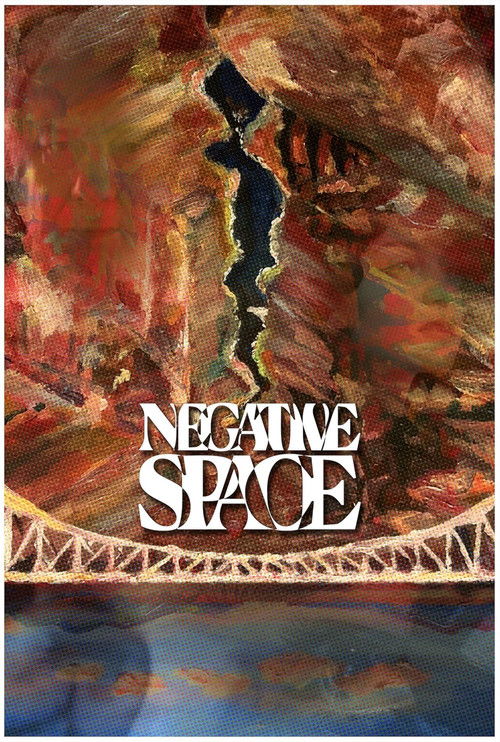
Negative Space (2026)
Directed by Aaron Razi
No · Ultra Based
How we score movies →Consciousness Markers
The cast includes diverse actors in what appear to be substantive roles, though without plot details we cannot assess whether representation is incidental or thematic. Indie productions often achieve diversity through necessity rather than ideology.
A critique of institutional failure or corporate media could theoretically emerge from a journalism-centered narrative, though the synopsis suggests focus on personal mystery rather than systemic critique.
One lead character is female, though the synopsis provides no indication whether feminist themes or gender consciousness inform the narrative. A journalist and detective could be written without gender commentary.
A cold case narrative could theoretically examine historical injustice, but the synopsis offers no indication the film challenges conventional historical narratives or institutional accounts.
A reclusive character might suggest neurodivergent traits, but this reads as character archetype rather than representation with conscious intent. No materials suggest neurodivergence is thematically engaged.
No LGBTQ+ themes are apparent from the available synopsis or production materials. A cold case mystery offers no obvious narrative requirement for such content.
No body-related themes or commentary appear in the available materials. This is a mystery-focused narrative with no apparent investment in such concerns.
An indie mystery-drama generally avoids preachy exposition. Nothing in the available materials suggests the film lectures its audience about social issues.
No explicit racial themes emerge from the synopsis or available materials. The film shows no signs of engaging with systemic racism or racial justice as a central concern.
Climate concerns are entirely absent from the film's premise and available information. A mystery set in an unspecified present offers no indication of environmental consciousness.
Synopsis
An aspiring journalist and reclusive, retired detective are brought together by a long-forgotten cold case.
Why it received this score
Negative Space presents itself as a modest indie mystery, the kind of project that emerges from genuine creative impulse rather than institutional mandate. The narrative framework, a journalist and retired detective investigating a cold case, contains no inherent ideological scaffolding. What we have instead is a straightforward procedural setup that could have been made in 1995 or 2025 with minimal adjustment. The cast, drawn from lesser-known actors, suggests a commitment to craft over marquee appeal, though this tells us nothing about the film's posture toward contemporary cultural questions.
The absence of available critical discourse surrounding this film is itself instructive. No thinkpieces debate its representation politics. No festivals have championed it as a statement on systemic injustice or institutional critique. This silence suggests a work content to operate within genre conventions without aspiring to social commentary. A cold case mystery can examine institutional failure or media sensationalism, but the available synopsis provides no indication that such examination is the project's concern. The film appears to be interested in mystery, not metaphor.
For an independent drama-mystery with minimal available information and no apparent engagement with contemporary progressive cultural frameworks, a score in the low range reflects the absence of the markers we track rather than active resistance to them. This is not a film making a statement. It is a film making a story.
Analysis generated by our Consciousness Algorithm
Critic Reviews
“Negative Space is a deeply moving journey into the spaces between words, where the most ordinary acts can hold extraordinary meaning.”