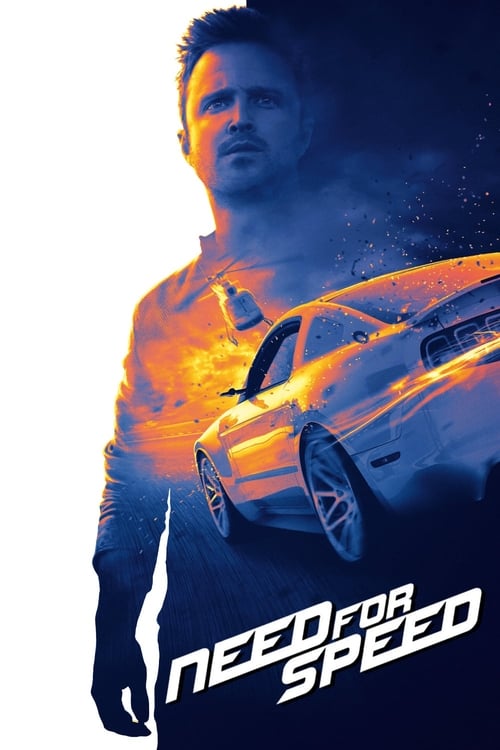
Need for Speed (2014)
Directed by Scott Waugh
No · Ultra Based
How we score movies →Consciousness Markers
The antagonist is a wealthy, arrogant business associate, providing minimal class conflict, but this serves as a plot device rather than systemic critique.
The cast includes minorities like Kid Cudi, Rami Malek, and Ramón Rodríguez, but they occupy supporting roles in a male-dominated narrative. This is tokenistic casting rather than substantive representation.
No evidence of LGBTQ+ themes, characters, or content in the film's plot or narrative.
The film is male-centered and action-focused with female characters (Imogen Poots, Dakota Johnson) relegated to supporting roles. No feminist themes or female agency present.
Diverse cast members exist within a standard action framework with no commentary on race or racial dynamics.
A film centered on illegal street racing with high-performance vehicles shows no environmental consciousness or climate awareness.
No evidence of body diversity or body positivity messaging in this action-focused racing film.
No indication of neurodivergent representation or themes in the narrative.
This is a contemporary action film with no historical component or revisionist historical framing.
The film operates as a straightforward action thriller with no moralizing or preachy messaging about social issues.


Synopsis
The film revolves around a local street-racer who partners with a rich and arrogant business associate, only to find himself framed by his colleague and sent to prison. After he gets out, he joins a New York-to-Los Angeles race to get revenge. But when the ex-partner learns of the scheme, he puts a massive bounty on the racer's head, forcing him to run a cross-country gauntlet of illegal racers in all manner of supercharged vehicles.
Why it received this score
Need for Speed operates as a straightforward revenge thriller, concerned primarily with fast cars, faster plots, and the restoration of masculine honor through vehicular combat. The film features a diverse supporting cast, though Kid Cudi, Rami Malek, and Ramón Rodríguez occupy subordinate roles within a narrative architecture that remains unchanged from countless action films of preceding decades. There is no apparent engagement with contemporary social consciousness, no interrogation of systems, and no suggestion that the filmmakers possessed awareness of progressive sensibilities beyond basic casting mathematics.
The film's sole nod toward class commentary comes through its villain, a wealthy antagonist whose arrogance motivates the entire plot. This is not anti-capitalist critique but rather a convenient narrative device, the kind of class conflict that has animated revenge narratives since well before 2014. The female characters appear as supporting elements rather than agents of their own narrative, and the environmental implications of high-performance street racing across the continental United States remain entirely unexamined. The film is content to be what it is: an adaptation of a video game property designed to showcase stunts and vehicles.
This is not a work of cultural consequence or progressive intent. It is a competent action film from an era before such considerations became mandatory elements of studio filmmaking. The presence of minority cast members reflects demographic shifts in Hollywood rather than any commitment to meaningful representation or thematic exploration. One watches it and understands that the filmmakers cared about spectacle first and everything else not at all.
Analysis generated by our Consciousness Algorithm
Critic Reviews
“It's the cars, and the mega-horsepowered action, that matter most. With its driver-POV spinouts, wrong-way chases, and multilane median jumps, the movie is a roaring revel of an automotive fantasy.”
“Need For Speed modifies its outlaw antihero with all sorts of unnecessary pain and backstory, and the film is slow to leave the starting gate because of it. But once it does, Need For Speed becomes a much fleeter vehicle, powered by impressive practical stuntwork, eye-popping cross-country landscapes, and the sparking chemistry between Paul and Poots. ”
“Need For Speed’s dialogue-centric scenes are often clunky, and its comic relief is at times embarrassingly unfunny, but whenever Waugh shifts his focus to figuring out how to best convey an ingenious practical stunt with the camera, the movie comes alive.”
“Scott Waugh's moronic flick has multiple personalities — it's the Sibyl of street racing, with a script that doesn't feel so much typed as button-mashed.”