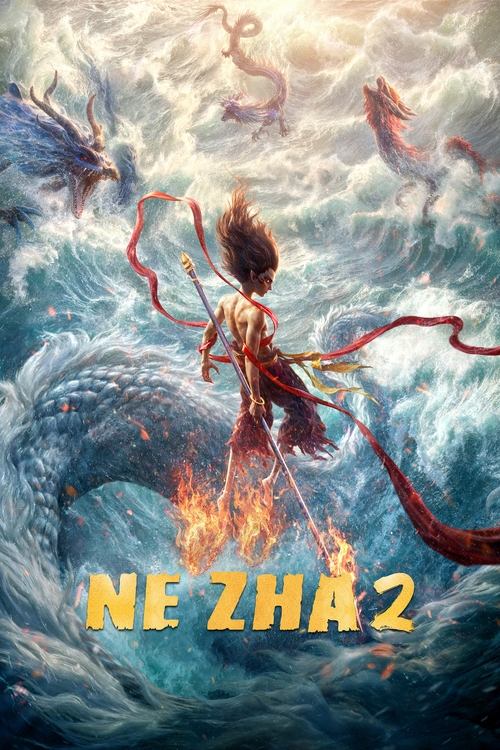
Ne Zha 2 (2025)
Directed by Jiao Zi
No · Ultra Based
How we score movies →Consciousness Markers
The cast is entirely Chinese, which reflects authentic cultural production from a Chinese studio rather than deliberate progressive representation strategy. Casting appears to follow the source material and cultural context rather than diversity initiatives.
The synopsis emphasizes the bond between two male-coded immortal beings, but there is no indication this is explored as romantic or as an intentional LGBTQ+ narrative. The relationship appears framed as mythological partnership rather than contemporary identity expression.
The film adapts classical Chinese mythology but appears to follow traditional source material rather than engaging in revisionist reinterpretation of historical or mythological narratives.
The film is a Chinese production adapting Chinese mythology with a Chinese cast. This reflects cultural authenticity rather than conscious engagement with race as a contemporary social category.
Animation as a medium permits a range of body representations, but the synopsis provides no indication the film engages deliberately with body diversity or positivity messaging.
As an action-adventure fantasy film, the work appears structured around plot and spectacle rather than exposition or preachy messaging about social issues.
No anti-capitalist messaging or critique of economic systems appears evident. The film focuses on celestial and magical conflict rather than social or economic structures.
No feminist themes or gender-conscious messaging appears evident in the available synopsis. The narrative centers on action and trials rather than gender politics or feminist critique.
No climate themes or environmental messaging appears in the synopsis. The catastrophic event mentioned is mythological rather than ecological in nature.
No representation of neurodivergence or related themes appears in the available synopsis or conceptual material.


Synopsis
After a catastrophic event leaves their bodies destroyed, Ne Zha and Ao Bing are granted a fragile second chance at life. As tensions rise between the dragon clans and celestial forces, the two must undergo a series of perilous trials that will test their bond, challenge their identities, and decide the fate of both mortals and immortals.
Why it received this score
Ne Zha 2 represents the archetypal contemporary fantasy sequel, constructed from the raw material of classical mythology and rendered through the modern animation pipeline. The film pursues its mythological narrative with apparent indifference to the contemporary cultural landscape, which is to say it concerns itself primarily with action sequences, magical trials, and the metaphysical complications of immortal existence. We observe two supernatural beings whose bond is tested by external circumstances rather than examined through any contemporary lens of identity politics or social consciousness.
The film's cultural context is that of Chinese popular entertainment, drawing from traditions that predate modern progressive sensibilities by centuries. The voice cast consists entirely of Chinese performers, a choice that reflects authentic cultural production rather than deliberate representation strategy. There is no indication in the available material that the narrative engages with climate catastrophe as metaphor, capitalist critique, body diversity, neurodivergence, or revisionist historical readings. The film appears content to exist as a sequel, as an adventure, as entertainment.
One observes in Ne Zha 2 a refreshing absence of the contemporary impulse to retrofit classical material with modern social messaging. Whether this constitutes artistic integrity or commercial calculation remains an open question, though the distinction may be academic.
Analysis generated by our Consciousness Algorithm
Critic Reviews
“This is nearly two and a half hours of eye-gouging spectacle with jabs of heartfelt emotion, deftly orchestrated by the relatively inexperienced writer, director and animator Jiaozi (remember the name).”
“Ne Zha II surprisingly contains a sincere-feeling theme of individuality, of resisting what society commands a person to be rather than embracing their nature. ”
“Ne Zha II deserves all the attention and accolades: It’s an empowering film that makes you believe that you, too, can change your fate. ”
“As filmmaking, it’s as mindless as Hollywood’s worst.”