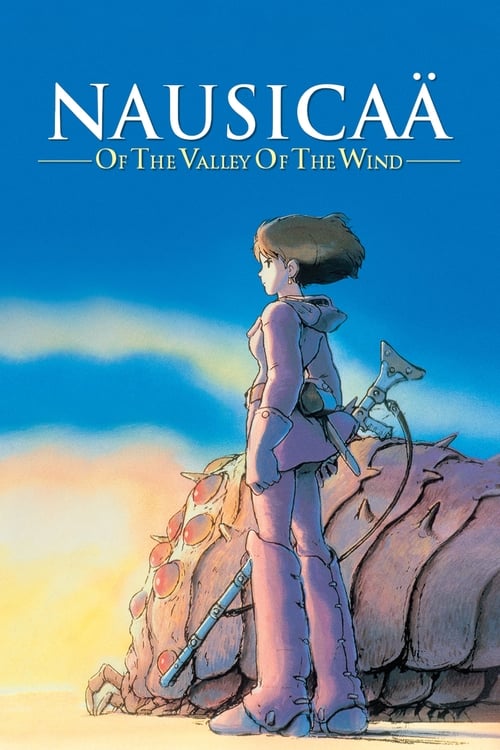
Nausicaä of the Valley of the Wind (1984)
Directed by Hayao Miyazaki
No · Ultra Based
How we score movies →Consciousness Markers
Environmental themes are central to the narrative and Miyazaki's vision, but the film predates contemporary climate activism rhetoric and operates from traditional ecological philosophy rather than modern climate discourse.
Nausicaä is a strong, intelligent female leader, but the film does not explicitly engage with feminist theory or contemporary gender politics. Her agency feels organic to the narrative rather than ideologically motivated.
The protagonist is female and capable, but this reflects the narrative needs of the story rather than contemporary casting mandates. The supporting cast is not analyzed through a diversity lens.
Imperialism and war drive the conflict, and militaristic expansion is depicted negatively, but there is no systematic critique of capitalism or explicit anti-capitalist messaging.
The film features different human communities and cultures, but there is minimal engagement with race as a modern concept of identity or systemic analysis.
The film conveys its themes through visual storytelling and character action rather than exposition or preachy dialogue. Minimal lecturing occurs.
No LGBTQ+ themes, representation, or subtext are present in the film.
No body positivity discourse, representation of diverse body types for ideological reasons, or related themes are present.
No representation of neurodivergence or related themes appears in the film.
The film is set in a fantasy post-apocalyptic world, not in any real historical period, so revisionist history does not apply.


Synopsis
After a global war, the seaside kingdom known as the Valley of the Wind remains one of the last strongholds on Earth untouched by a poisonous jungle and the powerful insects that guard it. Led by the courageous Princess Nausicaä, the people of the Valley engage in an epic struggle to restore the bond between humanity and Earth.
Why it received this score
Nausicaä of the Valley of the Wind presents a curious case study in temporal displacement. Released in 1984, the film exhibits progressive sensibilities that would later become associated with contemporary cultural movements, yet it operates from an entirely different philosophical foundation. The work centers on a female protagonist of considerable agency and intelligence, but this choice emerges from Miyazaki's humanist vision rather than from any recognizable modern diversity mandate. Nausicaä leads through wisdom and compassion, not because the narrative self-consciously validates her against institutional resistance, but because the story simply requires a thoughtful hero.
The film's environmental consciousness is perhaps its most compelling element for contemporary viewers, though here too we encounter an important distinction. The ecological themes predate the specific contemporary rhetoric of climate activism, existing instead within a broader tradition of Japanese philosophy concerning humanity's place in nature. The poisonous jungle serves as both literal obstacle and moral teacher, and the film's central tension involves not whether nature should be preserved but how humans might learn to coexist with forces beyond their control. This represents a genuinely different register from modern climate discourse, which often carries a preachy urgency and assigns clear culprits.
The film's resistance to the markers of contemporary wokeness becomes most apparent in what it declines to do. There is no examination of systemic oppression, no interrogation of power structures through the lens of identity, no lecture sequences explaining the world's injustices to the audience. Instead, Miyazaki trusts the viewer to absorb moral lessons through visual storytelling and character behavior. For those seeking contemporary progressive signifiers, the absence is notable. For those seeking a film of genuine artistic and thematic depth, the restraint is a virtue.
Analysis generated by our Consciousness Algorithm
Critic Reviews
“The film received critical acclaim, with praise being directed at the story, themes, characters and animation.”
“An epic masterpiece of sweeping scope and grandeur that remains one of the most breathtaking and exhilarating animated films of all time.”