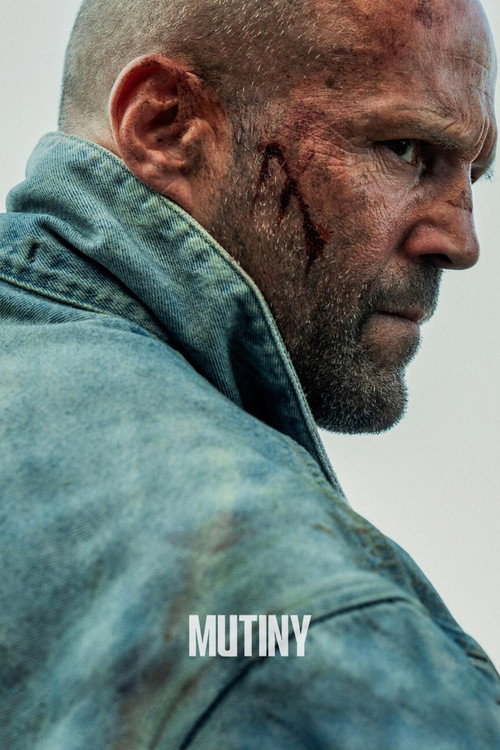
Mutiny (2026)
Directed by Jean-François Richet · $13.2M domestic
No · Ultra Based
How we score movies →Consciousness Markers
The ensemble is genuinely multinational, with Black British, British-Fijian, Danish, and other international actors in notable roles. However, the film makes no thematic statement about this diversity; it is incidental to a male-led lone-hero narrative.
The villain is a billionaire shipping magnate and the conspiracy involves the corruption of international commerce. The film does not develop this into any critique of capitalism; the billionaire is simply a plot device.
The human trafficking subplot is the film's one attempt at moral weight, though critics describe its execution as cynical rather than earnest. It gestures at social concern without delivering a sustained argument, keeping the sermonizing brief and instrumental.
Annabelle Wallis plays Third Mate Angie Ellis, a professional woman in a maritime role. The film offers no feminist commentary; she exists within the standard action-thriller structure.
The diverse casting is present but the film shows no racial consciousness in its storytelling. No character's race is narratively significant, and no commentary on race or racism is made.
No LGBTQ+ characters, themes, or representation of any kind are present in the film or identified in any research.
No climate themes, environmental messaging, or ecological commentary of any kind appear in the film.
No body positivity themes are present. The film centers on a physically elite action hero in the classic mold.
No neurodivergent characters or themes are identified in the film or in any available research.
The film is an original contemporary action-thriller with no historical setting or revisionist historical framing.
Synopsis
After witnessing his billionaire boss' murder and being framed for the crime, Cole Reed boards a cargo ship on a one-man crusade to avenge his boss' death only to discover an international conspiracy.
Why it received this score
Jean-François Richet's *Mutiny* is, at its core, a delivery mechanism for Jason Statham to apply his forearms to various surfaces, including but not limited to other men's faces. The film frames this as a story about international conspiracy and human trafficking, though critics have noted the trafficking subplot arrives with all the moral weight of a shipping manifest. Cole Reed is an ex-Royal Marine, an ex-cop, and a man who appears constitutionally incapable of not solving problems with his skeleton. The film's politics begin and end there.
The cast is genuinely multinational, a fact the film neither celebrates nor remarks upon. It simply hires people from several continents and then has Statham fight them, which is perhaps the most honest form of representation available in the action genre. A U.S. Navy captain is Black. The shipping magnate is British-Fijian. The villain is Danish. No one delivers a speech about any of this. It is, by the standards of contemporary cinema, almost aggressively unremarkable.
The human trafficking element is the film's one brush with social consciousness, and it is, by reviewer consensus, a graceless one. The trafficked immigrants exist to give Cole Reed a reason to feel bad before he stops feeling bad and starts breaking things. The film does not interrogate global supply chains, the complicity of capital, or the systemic conditions enabling modern slavery. It uses suffering as a plot device, which is a very old tradition in action cinema and not a new one. *Mutiny* is, in the end, a film about a man on a boat. The boat is the message.
Analysis generated by our Consciousness Algorithm