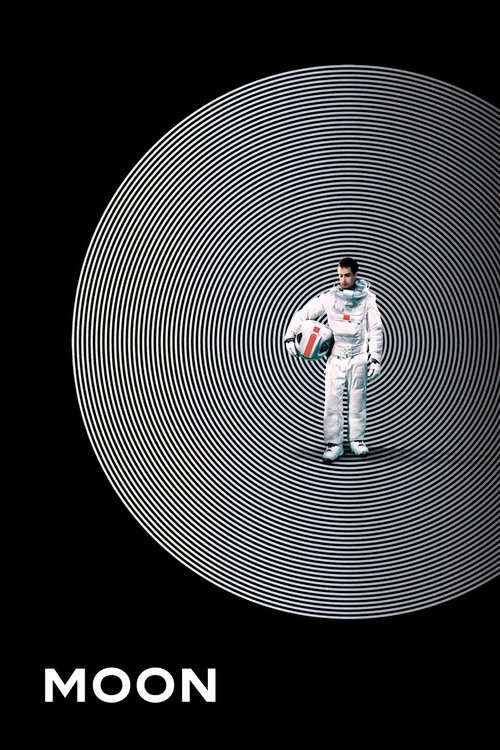
Moon (2009)
Directed by Duncan Jones
No · Based
How we score movies →Consciousness Markers
The film critiques corporate exploitation of labor and the dehumanizing effects of profit-driven systems, though this critique operates through philosophical abstraction rather than systemic analysis or calls for structural change.
While the film maintains a contemplative tone that avoids preachiness, its philosophical exploration of isolation and corporate indifference carries subtle thematic weight that occasionally borders on the meditative.
The cast is predominantly white with no apparent intentionality regarding representation. Female characters occupy minor roles without meaningful development or agency.
No LGBTQ+ themes, representation, or subtext are present in the film.
The film contains no feminist agenda or examination of gender dynamics. Female characters are marginalized and lack narrative agency.
There is no engagement with racial themes or racial consciousness in the film's narrative or construction.
Climate themes are absent from the film, which is set on the Moon and concerns itself with other matters entirely.
Body positivity themes are not present. The film does not engage with body representation or acceptance.
There is no representation of or engagement with neurodivergence in the film.
The film does not engage in revisionist history or reexamine historical narratives through a modern lens.


Synopsis
With only three weeks left in his three-year contract, Sam Bell is eager to return to Earth. Stationed alone at a Moon-based facility with his computer assistant GERTY, an unexpected accident sets off a series of unsettling events that shake his isolation.
Why it received this score
Moon arrives as a work of existential science fiction from a decade before the contemporary cultural moment we now inhabit, and this timing shapes its entire relationship to progressive sensibilities. The film's central preoccupation is corporate exploitation of labor, a theme that echoes anti-capitalist thought, yet it presents this critique through a philosophical and psychological lens rather than through the lens of identity or systemic consciousness that characterizes modern progressive discourse. Sam Bell's suffering is presented as universal, individual, and abstractly human, not as a symptom of structural injustice requiring dismantling of hierarchies. The lunar facility is staffed by a single worker, which precludes any examination of collective experience, representation, or solidarity.
The film's aesthetic restraint and genre conventions further distance it from contemporary progressive sensibilities. Its visual language derives from 1970s science fiction, it employs a predominantly white cast, and it frames its narrative through the consciousness of a solitary male protagonist without interrogating these choices through a modern lens. GERTY, the computer assistant, is programmed to prioritize corporate interests, which offers a critique of institutional indifference rather than an examination of systemic bias. The female characters present in the film occupy limited narrative roles and are not developed with the intentionality that modern progressive filmmaking would demand. Nothing in the film's construction suggests engagement with representation as a cultural or political project.
What emerges is a serious work of science fiction that engages with capitalism's human costs through abstraction and philosophy rather than through the frameworks of social consciousness or identity that define contemporary progressive cinema. The film is fundamentally a product of its time: a work of humanist critique that predates the cultural moment we are now analyzing.
Analysis generated by our Consciousness Algorithm
Critic Reviews
“More than anything this is an intelligent film, a satisfying bit of old-school sci-fi suspense.”
“Moon doesn't belabor anything, really, so confidently measured and philosophically nuanced it all plays out (aided by a striking, under-the-skin original score by Clint Mansell).”
“Moon is a potent provocation that relies on ideas instead of computer tricks to stir up excitement.”
“It just may be the most boring movie ever made – period.”