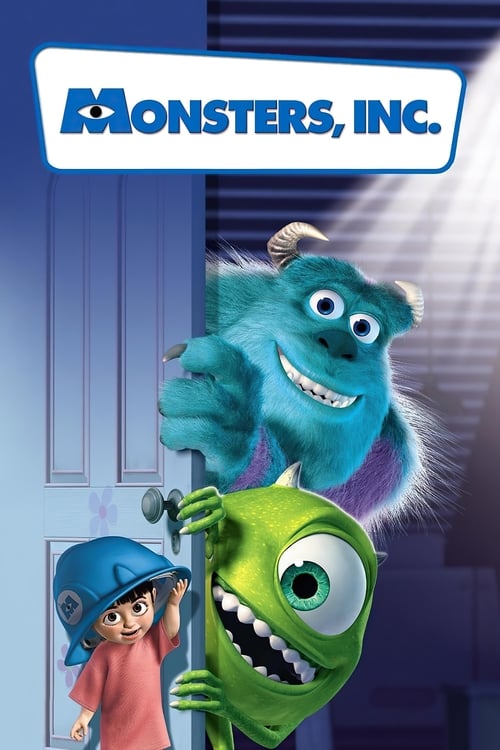
Monsters, Inc. (2001)
Directed by Pete Docter
No · Ultra Based
How we score movies →Consciousness Markers
The corporate structure of Monstropolis could suggest critique, but the resolution reinforces rather than challenges the system, merely redirecting its purpose.
The cast includes diverse voice actors, but the characters are monsters in a fantasy setting, making any real-world representation claims tenuous. Boo is a human girl, but her characterization is not written with gender consciousness.
The film occasionally verges on delivering messages about compassion and acceptance, though it never becomes preachy or preachy in tone.
Monsters of various shapes and sizes exist in the world, but this is fantasy worldbuilding, not a conscious statement about body acceptance or challenging beauty norms.
Boo is treated with kindness and agency, but she is not a feminist character or statement. The film lacks any conscious engagement with gender as a social category.
No LGBTQ+ themes or representation present. The relationships are platonic friendship and parental love.
The film contains no racial consciousness or commentary. The monsters are species rather than race analogues, and the film does not engage with racial themes.
No environmental or climate themes are present in the narrative.
No neurodivergent representation or themes are present.
No historical revisionism or reinterpretation of real-world history is present.


Synopsis
Lovable Sulley and his wisecracking sidekick Mike Wazowski are the top scare team at Monsters, Inc., the scream-processing factory in Monstropolis. When a little girl named Boo wanders into their world, it's the monsters who are scared silly, and it's up to Sulley and Mike to keep her out of sight and get her back home.
Why it received this score
Monsters, Inc. arrives as a film of genuine warmth and emotional intelligence, yet one that exists comfortably within the boundaries of conventional family entertainment rather than pushing against any social frontier. The central relationship between Sulley and Mike centers on masculine friendship and redemptive love for a child, themes that are timeless rather than topical. Boo herself functions as a narrative catalyst and emotional anchor, but she is not a character written with any particular consciousness regarding gender or childhood development as a social category. The film's universe is populated with creatures of varying body types and appearances, though this is a function of fantasy worldbuilding rather than representation as a deliberate cultural statement.
The mechanics of Monstropolis, with its energy-harvesting corporate structure, could be read as containing seeds of anti-capitalist critique, but the film never develops this thread with any seriousness. The resolution involves not dismantling the system but rather redirecting it toward laughter instead of screams, a fundamentally conservative resolution that preserves the institutional hierarchy. There are no LGBTQ+ themes, no racial consciousness of any meaningful kind, no engagement with climate concerns, and no neurodivergent representation. The film's feminism is absent, as is any interrogation of body norms or historical revisionism.
What Monsters, Inc. does possess is a profound emotional maturity in its understanding of love, sacrifice, and the transformation that occurs when we allow ourselves to be vulnerable to another being. This is admirable, but it is not the cultural consciousness we are measuring. The film is a masterpiece of its kind, yet it remains innocent of the specific sensibilities that define contemporary progressive cultural markers.
Analysis generated by our Consciousness Algorithm
Critic Reviews
“As giddy and antic as any great Warner Bros. cartoon of the 1930s and '40s -- it bears seeing more than once, if only to allow for the sight gags that play second fiddle to the plot, a rarity in animation -- but also resonant and real. In other words, it's the perfect movie.”
“It's the Pixar animators who keep grown-ups as riveted as the kids with visual marvels that dazzle and delight.”
“The story's charming, the set pieces are wildly inventive, and even the throwaway one-liners, about everything from movie-animation pioneer Ray Harryhausen to the old Oscar Meyer jingle, are hilarious.”
“But Monsters, Inc. -- directed by Pixar soldier Pete Docter, not by master digital comic John Lasseter -- turns out to be stingy on context, commentary, and the prism-ing view of pop culture that made the earlier films mint.”