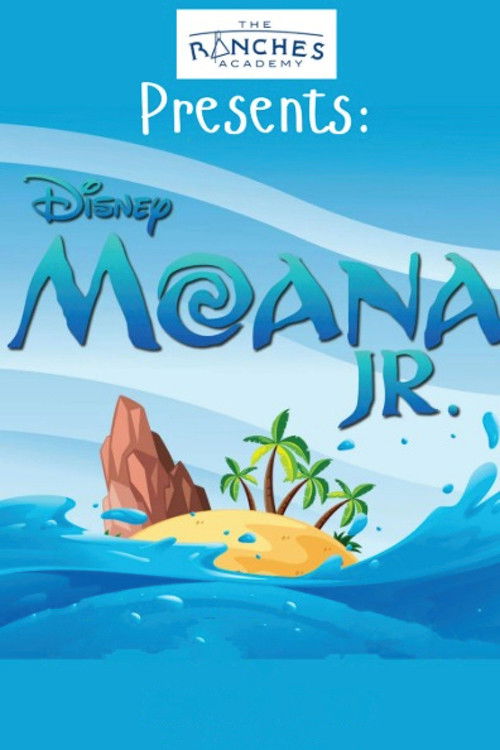
Moana Jr: The Ranches Academy School Performance (2026)
Directed by Unknown (School Production)
Partly · Woke-Adjacent
How we score movies →Consciousness Markers
The source material centers Pacific Islander representation through Moana's character and cultural setting, though the actual school cast composition is unknown. The narrative prioritizes Polynesian characters and culture authentically.
The protagonist is an active, self-determined young woman who drives the plot and makes critical choices. She saves her community through her own agency rather than romantic salvation, aligning with contemporary feminist characterization.
The material centers Pacific Islander culture and navigation history with cultural consultation informing the original film. However, this reflects cultural fidelity rather than contemporary racial consciousness frameworks.
Environmental stewardship appears in the narrative through Moana's connection to the ocean and her role in restoring balance, but this is framed as cultural and spiritual rather than as modern climate activism.
The material engages with Pacific Islander history and navigation, presenting these cultures with respect, though this constitutes historical inclusion rather than revisionist reframing of mainstream narratives.
The musical adapts entertainment-focused source material without heavy-handed preachiness, though some cultural themes are present. Generally avoids explicit messaging in favor of narrative integration.
Moana's character design in the animation presents a non-stereotypical female body, though this is a school recording where such visual elements are less relevant. No explicit body positivity messaging.
No anti-capitalist messaging is present. The narrative focuses on personal growth and community preservation rather than economic critique or class consciousness.
No meaningful LGBTQ+ content present in the material or visible in available information about this school production. The source film contains no such themes.
No representation of neurodivergence or neurodivergent characters is present in the material or visible in available information.
Synopsis
Live Recording of the Ranches Academy School Performance of "Disney's Moana JR", a musical adaptation of the 2016 Disney animated film, bringing the adventures of Moana and her village of Motunui to life onstage. Moana JR. features all the beloved songs from the film, written by Tony®, GRAMMY, Emmy, and Pulitzer Prize-winning composer Lin-Manuel Miranda, Opetaia Foa'i, and Mark Mancina, including "How Far I'll Go," "Shiny," and "You're Welcome." This thrilling and heartwarming coming-of-age story follows the strong-willed Moana as she sets sail across the Pacific to save her village and discover the truth about her heritage. Moana and the legendary demigod Maui embark on an epic journey of self-discovery and camaraderie as both learn to harness the power that lies within. With empowering messages of bravery and selflessness, Moana JR. is sure to bring out the hero within each of us.
Why it received this score
We find ourselves confronted with a curious artifact: a recording of children performing a stage adaptation of a 2016 Disney film, which itself was marketed as a culturally conscious product. The source material, Moana, was developed with input from Pacific Islander consultants and centers a female protagonist of Polynesian heritage as the active agent of her own narrative, which in the landscape of mainstream animation represented a meaningful shift. The musical adaptation preserves Lin-Manuel Miranda's compositions and thematic emphasis on self-determination and ancestral connection, maintaining what progressive sensibilities the original contained.
Yet assessing this particular recording requires navigating a peculiar terrain. The cast consists of school-age performers, which introduces questions about the actual demographics represented in this Ranches Academy staging. The material itself engages substantively with cultural specificity through Polynesian navigation, oral history, and environmental stewardship of the ocean, though such engagement does not necessarily constitute modern social consciousness so much as cultural fidelity to source material. The narrative centers a capable young woman solving problems through her own agency rather than waiting for rescue, which aligns with contemporary feminist sensibilities in children's media, though this has become standard rather than exceptional.
The production remains bound by its theatrical origins and school context, limiting opportunities for the kind of meta-commentary or explicit social positioning that would elevate its score on these metrics. What results is a competent adaptation of material that was already moderately conscious of representation without being aggressively preachy about it. The recording exists in a liminal space between children's entertainment, school theater, and cultural artifact, resisting easy categorization or scoring.
Analysis generated by our Consciousness Algorithm