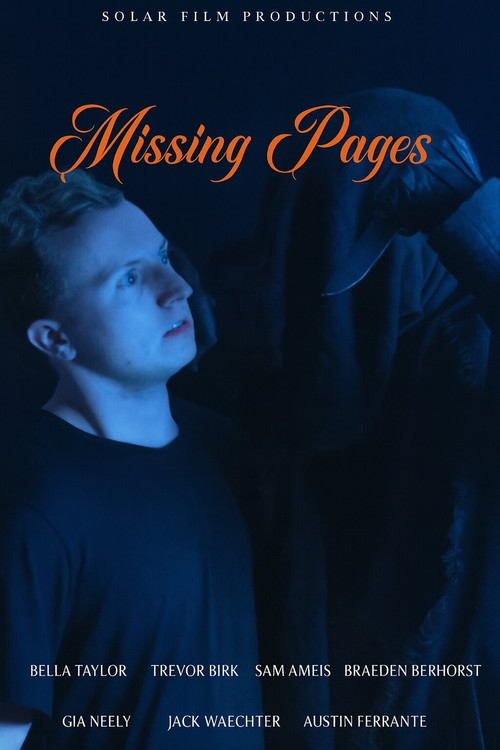
Missing Pages (2026)
Directed by Braeden Berhorst
No · Ultra Based
How we score movies →Consciousness Markers
The tagline 'Power writes its own gospel' and the corrupt state senator at the center of the conspiracy carry a faint anti-elite undercurrent. This is genre convention rather than a polemic, but the sentiment is present.
Thrillers built around institutional corruption occasionally drift toward editorializing, and the tagline suggests some appetite for a message about power. Nothing in the available material indicates the film pursues this with unusual zeal.
No documented evidence of deliberate diversity casting or any public discourse around representation in the ensemble. The cast appears assembled for the story, not for a statement.
No LGBTQ+ themes, characters, or subplots identified in any available synopsis or coverage.
A missing girl functions as a plot catalyst in the classical thriller tradition. No feminist framing or gender-power commentary is evident beyond that well-worn convention.
No racial themes, commentary, or conscious casting politics identified in any available material.
A locked-room political thriller set inside a senator's house has no discernible interest in the climate.
No body positivity themes or related commentary identified.
No neurodivergent characters or related themes identified in any available material.
The film is an original contemporary thriller with no historical subject matter to revise.
Synopsis
When a detective follows the trail of a missing girl to a state senator, he finds himself trapped inside the senator's house with five strangers — just as the senator's body is discovered. As the night unravels, false faces and buried sins come to light, and bodies begin to fall as he hunts for the truth.
Why it received this score
Missing Pages arrives as a locked-room thriller about a corrupt state senator, a missing girl, and a detective who cannot seem to find a better evening to stay home. Director Braeden Berhorst's tagline, "Power writes its own gospel," announces the film's thematic ambitions with the confidence of a sophomore who has just discovered Watergate. The corrupt politician as villain is a device so venerable it predates cinema itself, and the film deploys it with the solemn gravity of a man rediscovering fire.
From a social consciousness standpoint, the film is a remarkably clean specimen. It exhibits no meaningful engagement with any of the progressive cultural markers that animate so much contemporary genre filmmaking. There is no deliberate representation agenda, no identity politics threading through the ensemble, no climate anxiety lurking in the senator's study. The anti-capitalist reading one could generously apply to the "power corrupts" premise scores barely above zero; despising corrupt politicians is less a progressive position than a baseline human reflex shared across the entire political spectrum. The film's slight lecture energy derives entirely from the tagline copy, not from anything the narrative appears to earn.
What Berhorst has made, on the available evidence, is a genre exercise in the classical mode: a body, a house, five strangers, and a night that gets worse. This is not a criticism. The thriller form has survived for over a century precisely because it does not require a thesis. Missing Pages appears to understand this, which places it in a distinguished tradition of films that simply wanted to frighten you and had the decency to leave it at that.
Analysis generated by our Consciousness Algorithm
Critic Reviews
“The film "Missing Pages," a suspenseful thriller delving into the hidden secrets of a renowned author's lost manuscript, has generated significant buzz since its release. Critics and audiences alike have been vocal about its intricate plot, compelling performances, and thought-provoking themes.”
“A detective tracks a missing girl to a state senator's home-only to be trapped inside with five strangers when the senator turns up dead. As the night unravels, secrets surface and bodies fall while he races to uncover the truth.”
“As the body count rises, Elara must race against time alongside a skeptical detective, played by Sam Ameis, to decipher the clues hidden within her own "Missing Pages."”