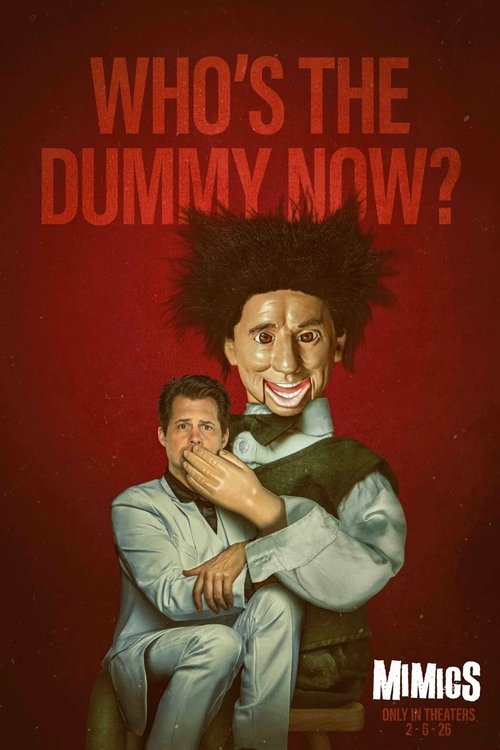
Mimics (2026)
Directed by Kristoffer Polaha
No · Ultra Based
How we score movies →Consciousness Markers
The cast appears to include diverse actors, but their presence seems incidental to the plot rather than intentional representation. There is no indication the film centers on or explores identity-based casting decisions.
While the film may contain some commentary on the entertainment industry, the emphasis on entertainment value and pacing suggests it prioritizes storytelling over preachiness or moralizing.
While the plot involves ambition and the pursuit of fame, which could be read as critique of showbusiness, there is no indication the film engages in systemic critique of capitalism itself.
The protagonist is male and the narrative centers on his ambitions. While Moriah Peters is in the cast, there is no indication of feminist themes or commentary on gender dynamics.
No indication that neurodivergence is represented, explored, or centered in the narrative. The film's focus is supernatural horror rather than neurodiversity.
No evidence of LGBTQ+ themes in the plot summary or critical reception. The film is described as a love story, but there is no indication of queer representation.
No evidence of racial consciousness or examination of systemic racism in the available information. The film appears to treat race as incidental if present at all.
A horror-comedy about an impressionist and a puppet contains no apparent climate-related themes or environmental messaging.
No evidence of body positivity messaging or subversion of beauty standards. The film focuses on a puppet and comedy horror rather than body representation.
A contemporary horror-comedy about a fictional impressionist and a puppet does not engage with historical revision or reinterpretation of past events.
Synopsis
Down-on-his-luck impressionist Sam Reinhold makes a pact with Fergus-a wicked, strings-attached puppet-that holds the promise to propel Sam to stardom, unleashing a nightmare that threatens the safety of those he holds dear.
Why it received this score
Kristoffer Polaha's directorial debut presents itself as a "spooky little love story with a little bit of horror," which is either the most honest marketing pitch or the most elaborate misdirection in recent memory. The film concerns itself primarily with the classical horror trope of the Faustian bargain, specifically one involving a ventriloquist dummy named Fergus, placing it squarely within a lineage stretching back to 1945's "Dead of Night" and through "Magic" and "Dead Silence." This is not a film preoccupied with contemporary social consciousness. The narrative focuses on the personal ambitions of a struggling impressionist and the supernatural consequences of his choices, which is to say it concerns itself with timeless themes of ambition, corruption, and the price of fame rather than any examination of systemic inequality or collective social experience.
The cast includes Polaha's own family members, lending the production a homespun quality that further distances it from any engagement with broader cultural commentary. The presence of Moriah Peters, Chris Parnell, and Stephen Tobolowsky suggests a film more interested in character-driven comedy and horror than in exploring identity politics or social structures. The genre blend of horror and comedy, while clever, does not inherently generate cultural awareness about marginalized communities or systemic injustice. The runtime of ninety minutes and the apparent emphasis on pacing and entertainment value indicate a project designed primarily to please rather than to provoke or educate.
This is a film about a man and a puppet. It is not a film about society, representation, or the mechanisms of power. One observes this with neither judgment nor disappointment, merely as a statement of categorical fact. The film exists in a tradition of entertainment that predates our current moment of social reckoning and makes no apparent attempt to address it.
Analysis generated by our Consciousness Algorithm