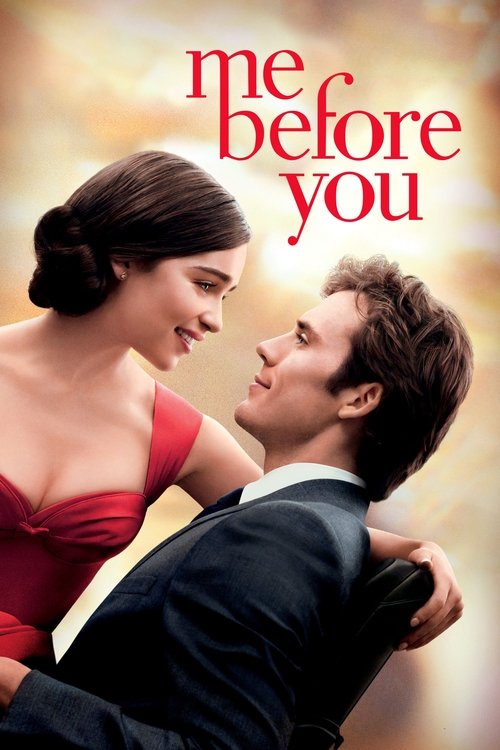
Me Before You (2016)
Directed by Thea Sharrock
No · Based
How we score movies →Consciousness Markers
The film features a female director and female screenwriter, and the cast includes diverse ages and body types in supporting roles. However, the central representation of disability is deeply problematic, reducing a disabled character to a tragic figure whose death is framed as noble rather than preventable.
Lou Clark is portrayed as an independent, working-class woman who makes her own choices and pursues her own goals. However, the narrative ultimately positions her emotional labor and romantic sacrifice as the primary driver of the plot, reinforcing traditional gender dynamics around female caregiving.
The film occasionally gestures toward social consciousness through discussions of disability and quality of life, but it does so in a way that lectures the audience toward acceptance of assisted suicide rather than engaging with the complexity of disability rights discourse.
The film features a romance between a wealthy banker and a working-class woman, but it romanticizes rather than critiques the wealth disparity. The narrative never questions the class dynamics or capitalist structures that shape their relationship.
No LGBTQ+ themes or representation are present in the film. The romance is exclusively heterosexual and conventional.
The film contains no meaningful exploration of racial themes or racial identity. The cast is predominantly white, and race is not addressed in the narrative.
Climate change or environmental consciousness plays no role in the film's narrative or thematic concerns.
The film does not promote body positivity. Instead, it frames Will's paralyzed body as a source of tragedy and suffering, equating physical disability with a life not worth living.
No neurodivergent characters or themes are present in the film. The focus on physical disability does not extend to cognitive or neurological differences.
The film is a contemporary romance with no historical setting or revisionist historical narrative.


Synopsis
Lou Clark, a directionless 26-year-old from the English countryside, takes a job at the local castle as a caregiver and companion to a wealthy young banker, Will Traynor. Wheelchair-bound from an accident two years prior, the once adventurous Will has all but given up — that is until Lou determines to show him that life is worth living.
Why it received this score
Me Before You presents itself as a tender romance, yet its central narrative mechanism reveals the deep incoherence at its heart. The film asks us to celebrate a wealthy man's choice to end his life because he cannot envision a fulfilling existence with disability, a proposition that disability rights advocates rightly identified as fundamentally dangerous. The marketing campaign's hashtag, #LiveBoldly, became an ironic epitaph for a narrative that ultimately argues the opposite: that some lives are too diminished to continue. The film's progressive veneer crumbles upon inspection, as it mistakes pity for empathy and confuses romantic devotion with a compelling reason to stay alive.
What the film does accomplish, however, is a certain contemporary casting sensibility. Emilia Clarke carries the narrative as a working-class woman with agency and personality, and the ensemble includes a diverse range of ages and body types in supporting roles. The female director and female screenwriter suggest some institutional commitment to representation behind the camera. These elements alone do not redeem the film's core message, which remains deeply troubling in its casual acceptance of assisted suicide as a romantic gesture rather than a symptom of inadequate social support and accessibility.
The film's cultural moment is instructive. Released in 2016, it arrived at a time when discussions of disability representation were accelerating, yet it managed to articulate precisely the ableist sentiment that advocates had been fighting against. It is a masterclass in progressive framing deployed in service of regressive ideas, a film that knows which boxes to check while remaining entirely indifferent to what those boxes actually contain.
Analysis generated by our Consciousness Algorithm
Critic Reviews
“The film will feel familiar to anyone who’s sniffled through "Love Story" or "The Fault in Our Stars." It’s better than both.”
“The movie manages to shift sensitively from laugh-out-loud moments to tear-jerking scenes, discussing euthanasia on the way. It’s not perfect, but the novel’s five million readers have nothing to worry about: it’s totally loyal to the book (unsurprisingly since Moyes wrote the script). ”
“Me Before You is a sugar-coated romantic bauble, not a gritty documentary. Giving into its pleasures is not for everyone, but its message — live boldly, as the movie’s hashtag encourages — is an admonition that’s awfully hard to argue.”
“Despite its $20-million budget, Me Before You is cheap; and just like a person who has more money than he knows what to do with, this film equates wealth with value and vulnerability with death.”