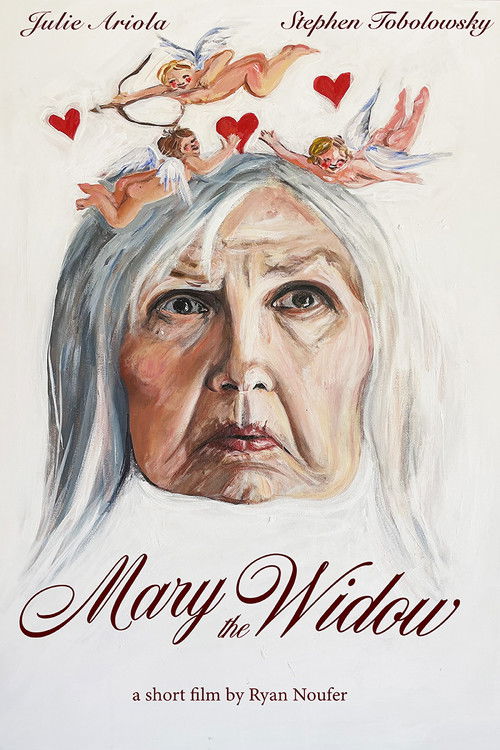
Mary the Widow (2026)
Directed by Ryan Noufer
No · Ultra Based
How we score movies →Consciousness Markers
The film centers an aging female protagonist and explores her agency in pursuing connection, which contains feminist sensibilities, but without explicit ideological messaging or consciousness-raising intent.
The film centers an aging body and explores late-life sexuality and desirability, which implicitly affirms aging bodies, but without explicit body-positive ideology or messaging.
The cast appears to reflect a natural demographic mix without apparent conscious effort toward representation. Casting decisions seem based on character fit rather than diversity considerations.
The speed-dating setting exists within consumer culture but is treated as setting rather than critique. No apparent anti-capitalist messaging or systemic economic critique.
The film appears designed for emotional resonance rather than preachy purpose. Any thematic content emerges from character and situation rather than explicit instruction or moral positioning.
No evidence of LGBTQ+ themes or representation in the available plot summary or materials. The narrative centers on a heterosexual romantic connection.
No evidence of racial consciousness or commentary in the narrative. The story appears racially neutral rather than deliberately addressing racial dynamics or systemic issues.
No apparent climate themes or environmental consciousness in a film focused on intimate personal relationships and emotional memory.
No evidence of neurodivergent representation or themes in the available materials or plot description.
A contemporary intimate drama with no historical component or revisionist ambitions. The film operates entirely in the present tense.
Synopsis
An aging widow begrudgingly goes to a speed-dating event at her daughter's request. Among a string of dud dates, one gentle stranger lingers in her mind. Mary the Widow is a tender look at love, memory, and the echoes of what we've lost.
Why it received this score
Mary the Widow arrives as a modest character study, the kind of film that concerns itself with the texture of loss rather than the architecture of social systems. The narrative centers an aging protagonist navigating the strange terrain of late-life romance, a subject that cinema has historically treated as either tragic or comedic rather than genuinely human. Here, the film opts for something quieter, more observational in its approach to aging bodies and the persistence of desire.
What emerges from the available materials is a film fundamentally uninterested in contemporary cultural signposting. The widow protagonist exists as a character first, a demographic category second. Her daughter's role in pushing her toward the speed-dating event suggests intergenerational tension, but this appears to function as plot mechanics rather than social commentary. There is no sense that the film wishes to lecture us about ageism or the invisibility of older women, though these themes hover nearby like unattended coats.
The casting presents a straightforward ensemble of performers without apparent attention to diversity mandates or representation quotas. The director's vision seems oriented toward emotional specificity and the particular rather than the programmatic. This is a film about memory and connection, not about the contemporary preoccupations that have come to dominate the critical apparatus. It represents what one might call a refreshing absence of agenda, executed with the kind of restraint that suggests genuine artistic confidence.
Analysis generated by our Consciousness Algorithm