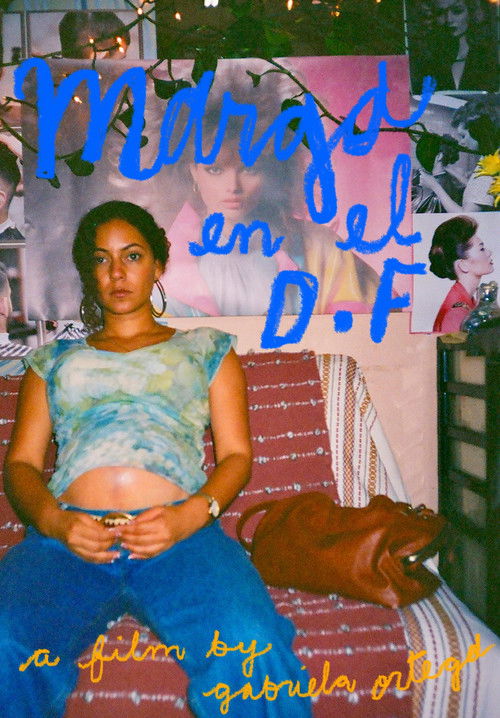
Marga en el DF (2026)
Directed by Gabriela Ortega
Partly · Woke-Adjacent
How we score movies →Consciousness Markers
The film centers Dominican and Mexican characters played by actors from those communities, with director Gabriela Ortega as a Dominican filmmaker. However, this casting reflects narrative authenticity rather than explicit diversity posturing.
The film centers a female protagonist and explores her interiority during a vulnerable moment, with a female director telling the story. Yet the feminism is implicit rather than explicit, grounded in character development rather than ideological statement.
The narrative engages with Selena Quintanilla's murder as a cultural touchstone for Latino communities and creates transnational perspectives through Dominican and Mexican characters. The engagement feels culturally informed but not preachy.
The film's Sundance selection and critical framing suggest some awareness of its own cultural significance, but the short format and character-driven narrative suggest restraint from preachy messaging or explicit social instruction.
While the film centers a pregnant woman and presumably treats her body with dignity, this reflects realistic storytelling rather than explicit body positivity advocacy or challenge to beauty standards.
The film uses the real historical event of Selena's 1995 murder as a backdrop but does not appear to reinterpret or revise historical narratives. It treats the event as authentic cultural memory.
No anti-capitalist messaging or critique of economic systems is present in the available information about the film's content or themes.
No LGBTQ+ themes or characters are evident in the film's premise or available information. The narrative focuses on heterosexual marriage and pregnancy.
Climate themes are entirely absent from a 1995-set short film about personal grief and cultural memory in Mexico City.
No representation of neurodivergence or disability is evident in the film's premise or cast information.
Synopsis
In the wake of Selena Quintanilla's murder, Marga's life takes an unexpected turn at 21 weeks pregnant during a surprise visit to Mexico City.
Why it received this score
Marga en el DF represents a curious specimen of contemporary cultural production: a film so committed to the aesthetics of progressive filmmaking that it risks collapsing under the weight of its own earnestness. Director Gabriela Ortega, herself a Dominican woman working in cinema, has crafted a twenty-minute meditation on grief and historical memory that takes place in 1995 Mexico City, anchored by the real-world tragedy of Selena Quintanilla's assassination. The choice to center a Dominican protagonist against this Mexican cultural moment creates a deliberate transnational framing, one that seems designed to signal cultural awareness and pan-Latino solidarity. The film's treatment of its pregnant female lead navigates between authentic vulnerability and what one might generously describe as a heightened consciousness of its own representational choices.
The film's moderate woke profile stems from a tension between its execution and its aspirations. Yes, we have a female director telling a story about a woman's interiority during a moment of national trauma. Yes, the narrative refuses easy sentimentality and instead privileges the messy complexity of personal experience against historical rupture. Yet these qualities alone do not constitute the specific markers of contemporary progressive sensibility. The film engages with Selena's murder as a cultural moment rather than as a vehicle for explicit social commentary. Its representation of its Dominican and Mexican characters flows from narrative necessity rather than from a desire to demonstrate cultural competence. The pregnancy plot functions as genuine dramatic material, not as an opportunity to celebrate body diversity or challenge reproductive norms. This restraint is perhaps admirable, but it also means the film cannot claim to be particularly engaged with the machinery of contemporary social consciousness.
What emerges is a work that demonstrates cultural literacy without necessarily performing cultural activism. The film's Sundance selection and critical reception suggest it has found an audience among festival audiences predisposed toward formally ambitious short films from underrepresented directors. Whether this constitutes progressive achievement or merely the conventional recognition of minority artists working within established festival infrastructure remains an open question. The film is competent, occasionally moving, and thoroughly aware of its own cultural positioning. That may be enough.
Analysis generated by our Consciousness Algorithm