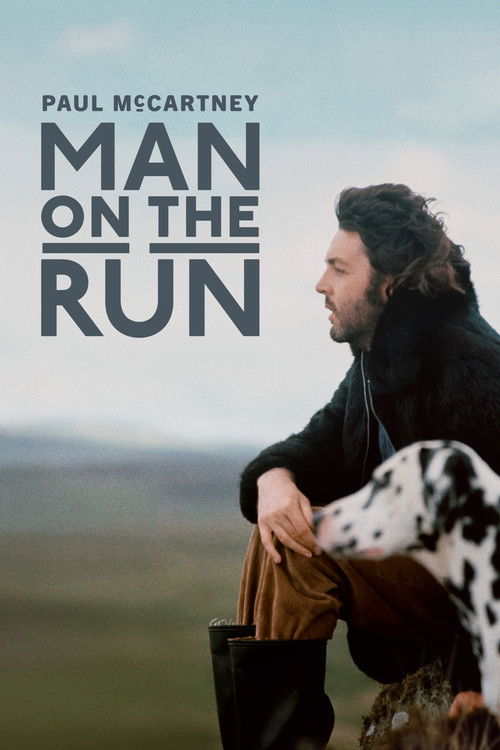
Man on the Run (2026)
Directed by Morgan Neville
No · Based
How we score movies →Consciousness Markers
Linda's role as collaborator and artist is elevated, which gestures toward feminist reclamation of women's contributions to rock history. The framing stops short of explicit gender analysis or commentary on patriarchal structures.
Linda McCartney receives substantial screen time and is credited as a creative force, which is a meaningful corrective to historical erasure. However, the film remains centered on Paul's perspective and experience.
The documentary does revise the historical record by emphasizing Linda's creative contributions and artistic agency. This is historical correction rather than ideological revisionism.
The film maintains a documentary's instructional tone and educates viewers about a period of music history. It avoids heavy-handed messaging or overt preachiness, preferring intimate archival presentation.
The film depicts McCartney navigating commercial pressures and industry expectations, but without any systemic critique of capitalism or the music business. Success and artistic achievement are presented as positive outcomes.
The documentary contains no exploration of race, racial justice, or the racial dynamics of 1970s British rock music. The subject matter and archival nature provide limited opportunity for such engagement.
No LGBTQ+ themes are present in this documentary. The film focuses entirely on heterosexual family relationships and band dynamics.
Environmental themes are entirely absent from this biographical documentary focused on music and personal relationships.
No discussion of body image, body diversity, or body positivity appears in this music documentary.
No representation or discussion of neurodivergence, disability, or neurodivergent perspectives is present in the film.

Synopsis
Paul McCartney forms new band Wings after Beatles breakup. Archival home footage shows his life with Linda, who influenced his music. The film follows Wings from formation through the 1970s, during which McCartney wrote hit songs.
Why it received this score
Morgan Neville's "Man on the Run" is a competent archival documentary that treats Linda McCartney with considerable respect, centering her creative influence on Paul's post-Beatles output. The film mines home video footage and presents Linda as an artistic collaborator rather than a mere supporting figure, which represents a modest corrective to decades of music history that relegated her contributions to footnotes. This is not, however, an act of social consciousness so much as basic historical accuracy belatedly applied to the historical record.
The documentary remains fundamentally a celebration of artistic genius and personal redemption. It charts Paul's recovery from depression and public rejection following the Beatles split, his navigation of a new musical identity with Wings, and his partnership with Linda. These are legitimate human and artistic themes, but they do not constitute engagement with modern progressive sensibilities. The film exists in a largely apolitical space, concerned with private creativity and personal relationships rather than systemic critique or cultural awareness. We encounter no interrogation of gender dynamics beyond Linda's presence in the frame, no examination of the music industry's structural inequities, and no reflection on the band's relationship to broader social movements of the 1970s.
The archival nature of the project imposes certain limitations. The home videos and photographs belong to their era and cannot retroactively adopt contemporary frameworks of analysis. This portrait of artistic struggle and domestic partnership is, by any standard, well-executed and emotionally resonant. It simply declines to perform the cultural work that contemporary progressive filmmaking typically undertakes. The result is a film that will satisfy completists and Beatles enthusiasts without troubling anyone's conception of how popular music history should be told or whose stories merit prominence.
Analysis generated by our Consciousness Algorithm
Critic Reviews
“Stripping the glory from gangsterism like chrome from a tailpipe is the pulse-pounding documentary Man On The Run, written and directed by Cassius Michael Kim.”
“Interviews with various journalists, local law enforcers, politicians and FBI agents lay out the nitty-gritty of the story. Lashings of onscreen text spell out the statistics and figures, which is helpful. The caricatures of the various grifters are distractingly tacky, though, and somewhat lower the film's tone.”
“This documentary shares Scorsese's theme of obscene greed, while Kuala Lumpur's neon nightscape gives the feel of a Batman villain's origin story. The Penguin, probably.”