Maleficent (2014)
Directed by Robert Stromberg
Partly · Woke-Adjacent
How we score movies →Consciousness Markers
Female protagonist is a warrior and decision-maker whose agency drives the narrative. However, the resolution privileges maternal love over autonomous female power.
Angelina Jolie carries the film as a complex female lead in a position of power and agency. Supporting cast is diverse but largely underdeveloped.
The film actively rewrites the Disney villain origin story, recontextualizing Maleficent's actions through trauma and victimhood rather than pure evil.
The narrative carries messages about trauma, betrayal, and redemption, but these are embedded in the story rather than explicitly preachy or preachy.
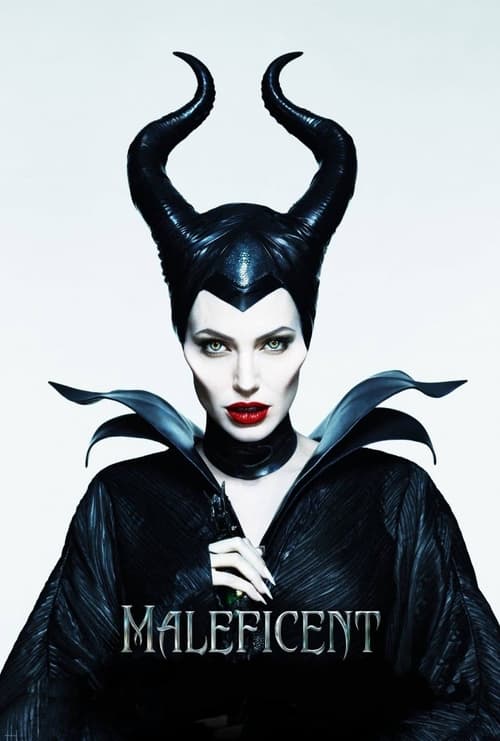
Jolie's striking appearance is central to the film's visual identity, but no explicit body positivity messaging or diversity celebration occurs.
Cast includes actors of color but race receives no narrative attention or commentary within the film's story.
Kingdom conflicts exist but lack systemic economic critique or class consciousness commentary.
The forest setting is aesthetically prominent but carries no environmental messaging or climate activism.
No representation of or engagement with neurodivergent characters or experiences.
No meaningful LGBTQ+ representation or themes. Relationships are framed as familial or heterosexual.


Synopsis
A beautiful, pure-hearted young woman, Maleficent has an idyllic life growing up in a peaceable forest kingdom, until one day when an invading army threatens the harmony of the land. She rises to be the land's fiercest protector, but she ultimately suffers a ruthless betrayal – an act that begins to turn her heart into stone. Bent on revenge, Maleficent faces an epic battle with the invading King's successor and, as a result, places a curse upon his newborn infant Aurora. As the child grows, Maleficent realizes that Aurora holds the key to peace in the kingdom – and to Maleficent's true happiness as well.
Why it received this score
Maleficent arrives as a calculated act of narrative reclamation, Disney's attempt to sand down the rough edges of its own villainy and rebrand villainy itself as a product of systemic male violence. Angelina Jolie stalks through a CGI forest in cheekbones and wings, a figure of such studied aestheticism that she threatens to collapse under the weight of her own visual importance. The film's central conceit, that the villain is actually the victim and that male betrayal justifies female rage, carries a certain cultural currency in 2014, the year when discussions of trauma and its aftermath were beginning to shape mainstream narratives.
Yet the film's commitment to progressive sensibilities remains compromised by its need to resolve everything through maternal affection. Maleficent's curse, born from violation and betrayal, is ultimately undone not by her own agency or justice but by her love for a child. The film wants to celebrate female power while ensuring that power is channeled into nurturing and protection. It is a fantasy that mistakes the repackaging of a villain for genuine subversion. The result is a movie that speaks the language of contemporary consciousness without committing to its implications.
The film emerges as a curious artifact of its moment, engaging with trauma narratives and female authority without quite trusting either to carry the story on their own terms. It is feminist-coded rather than feminist, progressive in aesthetic rather than in substance. Jolie's performance carries the weight of the film's ambitions, but ambitions and execution have developed a rather significant gap between them.
Analysis generated by our Consciousness Algorithm
Critic Reviews
“Yet nothing in their visually stimulating film registers as strongly as Jolie’s enigmatic, ever-changing face. ”
“A few bumpy patches notwithstanding, the new feature is an exquisitely designed, emotionally absorbing work of dark enchantment.”
“Angelina Jolie is so wickedly enchanting in the magical, magnificent Maleficent, you may not notice how transporting this female-driven blockbuster really is. ”
“Except for Angelina Jolie, exemplary as the fairy badmother who laid a narcotic curse on an infant princess, this pricey live-action drama is a dismaying botch. ”