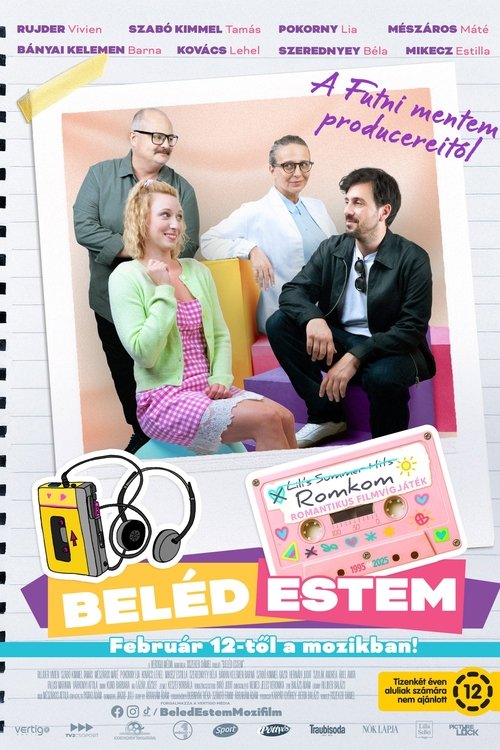
Love, Forgotten (2026)
Directed by Dániel Tiszeker
No · Ultra Based
How we score movies →Consciousness Markers
The cast is predominantly Hungarian, reflecting the film's geographic origin. Lead actress Vivien Rujder carries the film, but this reflects traditional casting practices rather than deliberate diversity programming.
Amnesia is central to the plot, but this appears to be deployed as a comedic device rather than as a serious engagement with cognitive or neurological difference.
Female protagonist in professional position, but arc appears oriented toward romantic resolution rather than feminist consciousness. Success is backdrop to romantic confusion, not the focus.
The 1990s setting functions as nostalgic backdrop for comedy. No evidence of deliberate reframing of historical events or revisionist historical commentary.
The protagonist is a successful actress, presumably benefiting from entertainment industry structures. No apparent critique of capitalism or wealth inequality is evident.
The film is structured as a romantic comedy designed for entertainment. No indication of preachy messaging or pedagogical intent regarding social issues.
No evidence of LGBTQ+ themes or representation in the film's premise or cast information. The plot concerns a woman searching for romantic connection in a heteronormative context.
No evidence of engagement with racial themes, racial dynamics, or commentary on racial consciousness. The film operates within a predominantly white Hungarian context without apparent interrogation.
No evidence of climate-related themes, environmental messaging, or ecological consciousness in the film's premise or available information.
No specific information suggesting engagement with body positivity messaging or deliberate inclusion of diverse body types as a programmatic concern.
Synopsis
Eszter is a successful actress who unexpectedly suffers an accident and suffers amnesia. It turns out that reality has been mixed up in her head: she believes that she lives in the nineties, is a hairdresser and is searching for the One.
Why it received this score
Love, Forgotten presents itself as a charming amnesia-driven romantic comedy set against the backdrop of a successful actress who finds herself transported, mentally, to the 1990s. The film's primary concern is the mechanics of romantic entanglement and memory, not the interrogation of contemporary social structures or the recalibration of cultural narratives. The cast is predominantly Hungarian, which reflects the film's origin point rather than any deliberate commitment to representation as a programmatic concern.
The film's engagement with gender is decidedly conventional. While the protagonist is a woman in a position of professional success, her arc appears oriented toward romantic resolution rather than any substantive exploration of feminist consciousness or the constraints placed upon women in either the 1990s or the present day. The premise of memory loss functions as a plot device to generate comedy and confusion, not as a vehicle for commentary on systemic inequality or the social construction of identity. The 1990s nostalgia, meanwhile, is presented as a whimsical fantasy rather than as an opportunity to interrogate how far we have or have not progressed on questions of social justice.
There is nothing in the available materials to suggest the film grapples with climate concerns, economic inequality, neurodivergence, LGBTQ+ representation, or any sustained engagement with racial consciousness. This is a straightforward romantic comedy operating within well-established genre conventions. It is not hostile to progressive values, but neither does it exhibit the specific markers of contemporary social consciousness that define the modern cultural moment. The film simply exists in a space adjacent to these concerns, which is to say it does not exist within them at all.
Analysis generated by our Consciousness Algorithm