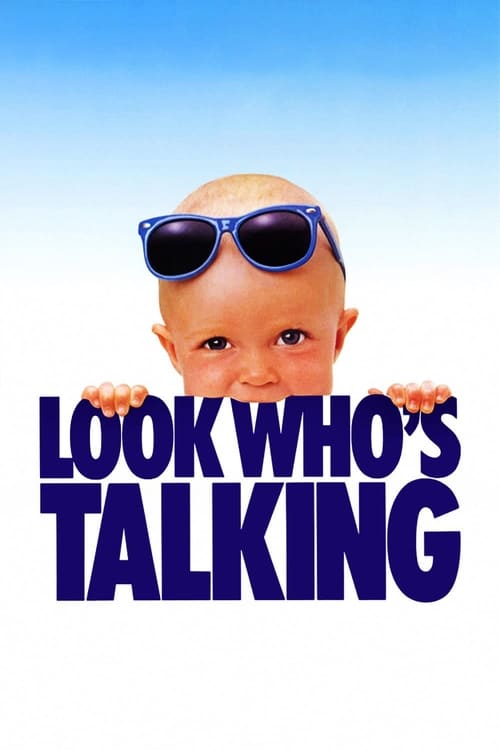
Look Who's Talking (1989)
Directed by Amy Heckerling
No · Ultra Based
How we score movies →Consciousness Markers
The female protagonist is career-minded and makes her own decisions, which reflects some progressive attitudes for 1989. However, her arc culminates in romantic attachment rather than independent fulfillment, and the film does not interrogate gender dynamics systematically.
The cast is predominantly white and lacks any visible diversity consciousness. Supporting roles include Olympia Dukakis and a handful of background performers, but there is no deliberate representation strategy at work.
Kirstie Alley is presented as conventionally attractive, and her body is not a subject of the narrative. There is no deliberate body positivity messaging or challenge to beauty standards.
The film depicts a wealthy married man as a villain, but this is motivated by his infidelity and betrayal, not his wealth. The protagonist works in accounting and seeks financial stability, presenting no critique of capitalism.
The film is designed to entertain, not to educate or lecture the audience. While it presents a sympathetic portrait of single motherhood, it does not pause the narrative to deliver moral instruction.
The infant narrator is a comedic device, not a representation of neurodivergence or disability. The baby's voice-over is meant to be humorous rather than to raise consciousness about developmental differences.
No LGBTQ+ themes, characters, or subtext are present in the film. The romantic plot is entirely heterosexual and conventional.
The film shows no awareness of racial issues or racial consciousness. The setting is diverse New York, but race is never acknowledged or explored. Diversity appears incidental rather than intentional.
Climate change and environmental consciousness are entirely absent from this romantic comedy. The setting and plot contain no environmental themes whatsoever.
This is a contemporary romantic comedy with no historical elements to revise. It contains no reinterpretation of past events or historical narratives.


Synopsis
After a single, career-minded woman is left on her own to give birth to the child of a married man, she finds a new romantic chance in a cab driver. Meanwhile, the point-of-view of the newborn baby is narrated through voice-over.
Why it received this score
Look Who's Talking arrives from an era when the film industry had not yet learned to weaponize progressive sensibilities as a marketing strategy, and the film bears all the hallmarks of that innocence. Directed by Amy Heckerling, it presents a single mother protagonist who works as an accountant and makes her own choices, which in 1989 constituted a mildly progressive move. The film does not, however, interrogate this setup through the lens of modern social consciousness. The single motherhood is treated as a plot device, not a statement. Kirstie Alley's character is attractive, conventionally feminine, and ultimately finds fulfillment through romantic attachment to a cab driver. The film's treatment of her circumstances is sympathetic but not ideologically driven.
The supporting cast is presented without any visible diversity consciousness. The film was made in an era when Hollywood had not yet adopted the calculus of representation scoring. George Segal's married antagonist is simply a cad. Olympia Dukakis appears in a supporting role as the mother, a warm presence but not a challenge to any existing order. The infant protagonist communicates through Bruce Willis's voice-over, which functions as comic narration rather than any attempt at neurodivergent representation or disability consciousness. We are meant to laugh at the baby's cynicism, not to reflect upon infant agency or developmental psychology.
This film operates in a pre-woke register entirely. It is a romantic comedy that happens to center a woman. That distinction matters. The film does not announce its progressive credentials. It does not ask us to feel morally superior for watching it. It simply tells a story and lets us decide what we think. In the vocabulary of modern cultural consciousness, this constitutes a rather low score, not because the film is regressive, but because it predates the entire framework by decades.
Analysis generated by our Consciousness Algorithm
Critic Reviews
“Look Who's Talking is full of good feeling, and director Amy Heckerling finds a light touch for her lightweight material.”
“Thanks to the ingenious voiceover, however, Look Who's Talking is a genial, entertaining film.”
“Heckerling's central hokum is definitely silly, based on the notion that Mikey (and all babies, in fact) has somewhat adult, slightly cynical thoughts on everything that goes on around him, from conception to end credits -- and that these thoughts and embryonic wisecracks and creative interpretations are heard only by the audience via the aptly cast voice of overgrown kid Willis.”
“Like a standup comic pouring 'flopsweat', this ill-conceived comedy about an infant whose thoughts are given voice by actor Bruce Willis palpitates with desperation.”