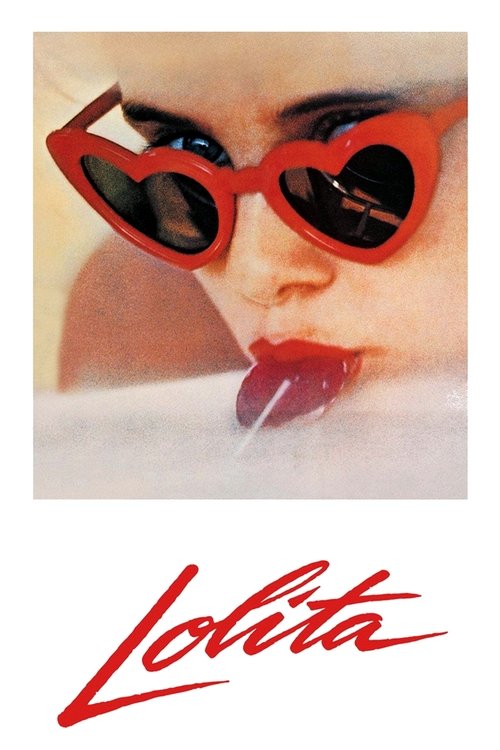
Lolita (1962)
Directed by Stanley Kubrick
No · Ultra Based
How we score movies →Consciousness Markers
The film's satirical structure implicitly critiques its protagonist's predatory behavior, but this is not a deliberate feminist agenda. Modern audiences may read feminist critique into the dark comedy, but the filmmakers do not foreground progressive gender consciousness.
The film features an all-white principal cast with no attention to demographic representation. This is not a concern the film addresses or pursues.
No LGBTQ+ themes, characters, or representation are present in the film.
No racial consciousness or commentary on race is present in the film.
Climate themes are entirely absent from the film.
While the novel satirizes American consumerism, the film does not frame this as anti-capitalist critique in the modern activist sense.
No body positivity messaging or representation is present in the film.
No neurodivergence representation or discussion appears in the film.
The film does not attempt to revise or reframe historical narratives.
Despite its satirical tone, the film does not employ preachy or preachy messaging designed to educate audiences about social issues.


Synopsis
Humbert Humbert is a middle-aged British novelist who is both appalled by and attracted to the vulgarity of American culture. When he comes to stay at the boarding house run by Charlotte Haze, he soon becomes obsessed with Lolita, the woman's teenaged daughter.
Why it received this score
Stanley Kubrick's 1962 adaptation of Vladimir Nabokov's controversial novel arrives as a monument to a different era of filmmaking, one in which satire could operate without the burden of explicit social messaging. The film presents its deeply flawed protagonist through a lens of dark comedy, allowing viewers to recognize the absurdity and criminality of Humbert Humbert's obsession without the filmmakers pausing to lecture on the matter. James Mason's performance captures the narrator's self-deception with aristocratic precision, transforming predatory behavior into a grotesque comedy of manners. The film's satirical structure, which undermines Humbert at every turn, represents a form of implicit critique rather than the contemporary practice of making social consciousness explicit.
What distinguishes this adaptation from more recent approaches is its refusal to center the victim's perspective or to frame the narrative as a vehicle for progressive messaging about abuse. The film treats American culture and its vulgarities with as much scorn as it reserves for its protagonist, creating a work primarily engaged with literary satire and cultural observation rather than contemporary social consciousness. Sue Lyon's casting at fourteen years old has become a point of historical concern through modern feminist archival analysis, though the film itself offers no progressive framework for understanding her exploitation.
Kubrick's contribution to the cultural record is one of artistic ambition and formal sophistication rather than social advocacy. The film exists in a register where moral complexity and artistic merit do not require the explicit scaffolding of activist sentiment. This is not to argue for its moral innocence, but rather to locate it accurately within the sensibilities of its moment, when cinema had not yet adopted the imperative to educate its audience about its own ethical failings.
Analysis generated by our Consciousness Algorithm
Critic Reviews
“For all of their vaunted (and, it turns out, false) fidelity to Nabokov, Lyne and Schiff have made a pretty, gauzy Lolita that replaces the book's cruelty and comedy with manufactured lyricism and mopey romanticism.”
“The film's master stroke is its understanding that this is Humbert's story, told in his own lyrical voice, from his own passionate, sad, tortured perspective.”
“Lyne's efforts to be both passionate and artistic are generally successful, although a few sex scenes are disturbing and arguably close to salacious.”
“Irons' doleful lassitude sucks the energy right out of the story and makes this listlessly directed adaptation droop all the more.”