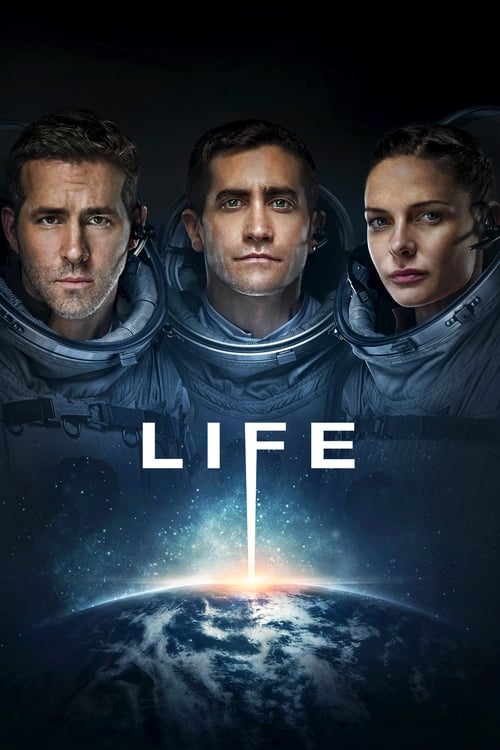
Life (2017)
Directed by Daniel Espinosa
No · Ultra Based
How we score movies →Consciousness Markers
The crew is deliberately international, including actors from Japan, Russia, and other nations. However, the casting appears functional rather than intentional, with no narrative emphasis on diversity or cross-cultural dynamics.
Rebecca Ferguson's character is competent and central to the plot, but the film does not explore gender dynamics or feminist themes. Her presence is unremarkable within the narrative.
While the ISS operates as a corporate-adjacent research facility in the film, there is minimal critique of capitalism or systemic economic structures. The threat is biological, not economic.
The film occasionally includes scientific exposition about the organism and the ISS, but this is minimal and functional rather than preachy or preachy in tone.
There are no LGBTQ+ characters, themes, or relationships in the film. The narrative contains no reference to sexual orientation or gender identity.
The film contains no examination of race, racial dynamics, or racial consciousness. Characters are not defined by their racial identity in any meaningful way.
There is no climate-related messaging or environmental consciousness in the film. The plot concerns a space organism, not terrestrial ecological concerns.
Body positivity is entirely absent from the film. The narrative focuses on physical destruction and survival, not body acceptance or diversity.
There is no representation of neurodivergence or engagement with neurodivergent themes. The characters are presented as neurotypical scientists.
The film contains no historical narratives or revisionist elements. It is set in a near-future space scenario with no historical claims or reframing.


Synopsis
The six-member crew of the International Space Station is tasked with studying a sample from Mars that may be the first proof of extra-terrestrial life, which proves more intelligent than ever expected.
Why it received this score
Life is a creature feature that exists in the space between competent technical filmmaking and narrative exhaustion. The 2017 film assembles an international cast aboard the ISS to study a Martian organism, which then proceeds to do what organisms in horror films do: kill everyone with methodical efficiency. The international makeup of the crew, while present, appears to be incidental rather than purposeful. The characters are scientists and astronauts, defined primarily by their roles and their proximity to danger, not by any particular identity markers or consciousness of difference. This is not a film interested in examining power structures or social hierarchies, beyond the basic survival hierarchy imposed by the creature itself. The narrative operates in the familiar register of sci-fi horror where merit, competence, and luck determine outcome, not identity. Director Daniel Espinosa crafts a tense, if ultimately forgettable, exercise in genre filmmaking. The film's only modest nod toward progressive sensibilities lies in its matter-of-fact international crew, which it treats with the same indifference it treats everything else. That this passes for representation in 2017 cinema speaks volumes about how low the bar had been set.
Analysis generated by our Consciousness Algorithm
Critic Reviews
“Demme (Monument Ave.) brings a sure hand with pace and structure to the soft-at-heart script by Robert Ramsey and Matthew Stone, allowing Murphy, Lawrence and company to sit back and focus on the job at hand -- making us laugh.”
“Gracefully bittersweet and balanced. [16 April 1999, Calendar, p.F-1]”
“We have been treated to something we normally would never get in a prison comedy like this: a little delicacy with the humor.”
“Sluggish, laugh-free comedy (or is it an ineffectual drama?).”