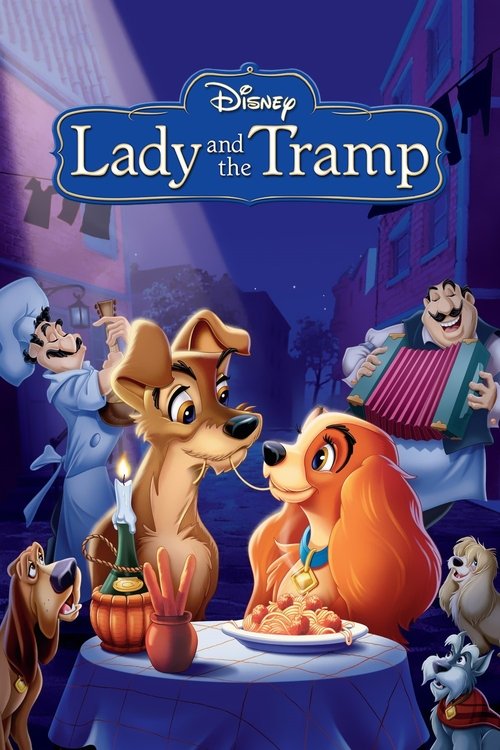
Lady and the Tramp (1955)
Directed by Hamilton Luske
No · Ultra Based
How we score movies →Consciousness Markers
The Siamese cat sequence contains ethnic stereotypes (accented speech, exaggerated features) that reflect 1950s casual racism. This is the film's primary cultural liability.
Lady is the protagonist and makes the choice to leave home, but her agency is ultimately directed toward following the Tramp. The narrative remains fundamentally patriarchal.
While class difference drives the plot, the film ultimately affirms social order rather than critiquing it. The Tramp must prove himself worthy of Lady's station.
All voice actors are white, and the cast consists entirely of dogs and cats. No attempt at diverse representation.
The film is a heterosexual romance between two dogs. There are no LGBTQ+ themes or representation whatsoever.
There is no environmental consciousness or climate messaging in this romantic comedy.
The characters are anthropomorphic animals with no commentary on body image or size diversity.
There is no representation of neurodivergent characters or themes.
This is a fictional romance with no historical content to revise.
The film tells its story through narrative and music without any preachy messaging or lectures about social issues.


Synopsis
Lady, a golden cocker spaniel, meets up with a mongrel dog who calls himself the Tramp. He is obviously from the wrong side of town, but happenings at Lady's home make her decide to travel with him for a while.
Why it received this score
This is a fundamentally traditional romantic adventure that trades in class-consciousness coded through canine metaphor. The Tramp represents the working-class outsider (literally a street dog), while Lady embodies upper-middle-class gentility. The narrative tension emerges from Lady's transgressive attraction to someone beneath her station, a plot device that simultaneously reinforces class hierarchy while permitting romantic transcendence of it. This is pre-feminist storytelling in which the female character's agency consists primarily of choosing which male to follow.
The film's most significant cultural liability is the "Siamese Cat Song" sequence, featuring two cats with exaggerated Asian stereotypes (slanted eyes, buck teeth, accent) who proceed to destroy Lady's home. This scene has aged poorly and represents exactly the kind of casual ethnic caricature that was unremarkable in 1955 but is now recognized as offensive. The cats are literally villainous, their Asiatic presentation marking them as inherently untrustworthy.
Beyond this, the film contains zero engagement with modern progressive sensibilities. There is no representation consciousness, no gender analysis, no environmental messaging, no neurodivergent representation, no climate content, and no anti-capitalist impulse. The class consciousness present is not progressive critique but rather a romantic narrative that ultimately affirms social order. This is a beautifully animated period piece, but it operates entirely within the value system of its era.
Analysis generated by our Consciousness Algorithm
Critic Reviews
“The quintessential American love story --the one between the spoiled heiress and the spontaneous, fun-loving guy from the wrong side of the tracks--has seldom been more elegantly and entertainingly told.”
“It's that rare movie that I will not only continue to enjoy as a moviegoer and all-around romantic, but recommend as a legitimate standard-bearer for the animated classics yet to come.”
“The first animated feature filmed in CinemaScope.”
“Walt Disney has for so long parlayed gooey sentiment and stark horror into profitable cartoons that most moviegoers are apt to be more surprised than disappointed to discover that the combination somehow does not work this time. The songs, by Peggy Lee and Sonny Burke, are naggingly reminiscent of other tunes, but none of the cartoon creatures—except, possibly, a whistling beaver playing a bit part—have a fraction of the lovable charm of those in Disney's earlier fables.”