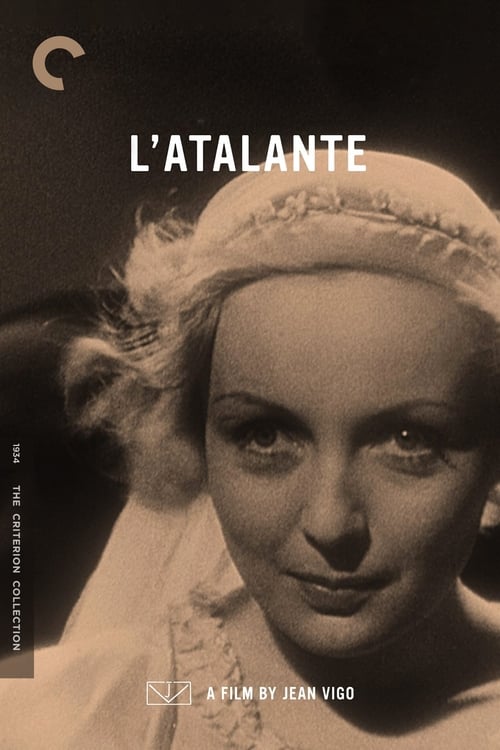
L'Atalante (1934)
Directed by Jean Vigo
No · Ultra Based
How we score movies →Consciousness Markers
The film exhibits anarchist and left-populist influences, with sympathetic portrayals of working-class characters and a critique of conventional bourgeois values. However, this is 1930s political art, not contemporary anti-capitalist messaging.
While Juliette is portrayed as an independent woman who leaves her husband and pursues her own desires, this reflects 1930s artistic sensibility rather than modern feminist theory. Her agency is presented naturally within the narrative.
The film is primarily focused on emotional and sensory experience rather than preachy messaging. Any political content emerges organically from the characters and setting rather than through explicit commentary.
The cast reflects 1930s French society without any deliberate representation efforts. Casting decisions were made on artistic merit and availability, not demographic considerations.
There are no LGBTQ+ themes or characters. The film is a heterosexual love story centered on marital conflict and reconciliation.
The film contains no racial consciousness or commentary. All characters are white French workers and sailors, reflecting the homogeneous casting practices of 1930s French cinema.
There are no climate or environmental themes. The river setting is simply the geographical backdrop for the story.
Body positivity as a modern movement does not apply. The film celebrates physical beauty and sensuality in conventional 1930s terms, particularly through its cinematography of the bride.
There is no representation of neurodivergence or disability. Characters are portrayed as neurotypical and physically able.
The film contains no historical revisionism. It is set in its contemporary 1934 moment and makes no claims about the past.


Synopsis
Newly married couple Juliette and ship captain Jean struggle through marriage as they travel on the L'Atalante along with the captain's first mate and a cabin boy.
Why it received this score
Jean Vigo's sole feature film, released ninety years ago, occupies a peculiar position in the contemporary critical landscape: it is simultaneously a work of genuine artistic innovation and a film utterly innocent of modern progressive sensibilities. L'Atalante tells the story of a newly married couple navigating the claustrophobic intimacy of river barge life, their conflicts arising from youth, desire, and incompatible expectations about marriage. The film brims with surrealist visual invention and anarchist sentiment, yet these energies flow from 1930s artistic movements rather than from the specific cultural markers that define contemporary progressive consciousness.
The film's treatment of its characters, while sympathetic and humanistic, lacks the deliberate representational politics that would mark it as culturally conscious in the modern sense. Juliette possesses agency and independence, but she is not a feminist statement. The working-class sailors are portrayed with dignity, but this is poetic realism, not anti-capitalist critique. The physical passion between the couple is celebrated, but not as body positivity or sexual liberation in contemporary terms. Vigo's anarchist sympathies, evident in his earlier work and visible here in the film's suspicion of bourgeois convention, belong to an older political vocabulary. The film simply presents human beings in their complexity, without the apparatus of modern social consciousness.
What remains is a film of astonishing visual beauty and emotional directness. It asks nothing of the viewer except attention and feeling. In an era when cinema has become increasingly burdened with the responsibility to represent and to educate, L'Atalante reminds us that there was once a time when art could simply be art, when a camera could linger on a bride's face without that gaze carrying the weight of cultural discourse. This is not a virtue or a vice. It is simply the historical reality of the work.
Analysis generated by our Consciousness Algorithm
Critic Reviews
“There is also a rich vein of humour running through the whole film, and Michel Simon as the mate creates one of the finest comic characters to be found in the French cinema.”
“L'Atalante is about how the world, in its wonder and cruelty, is both for and against lovers, often dizzyingly so.”
“An exhibition in technical ingenuity and visual storytelling that was way ahead of its time.”
“For all its innovation, L'Atalante remains at heart an extraordinarily perceptive chronicle of married life.”