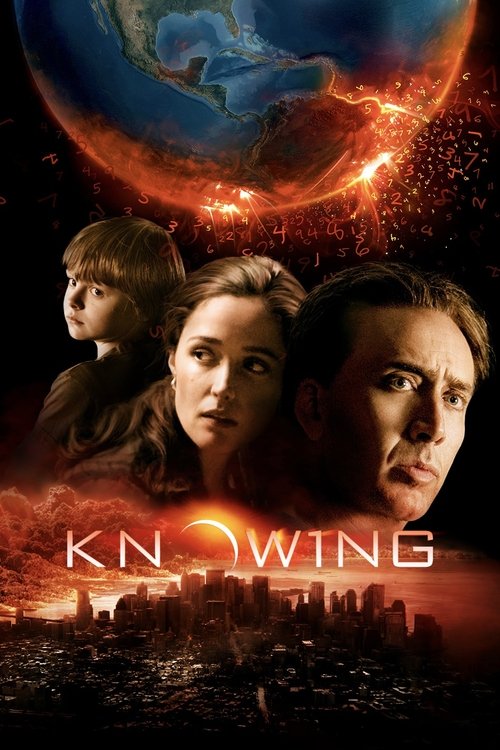
Knowing (2009)
Directed by Alex Proyas
No · Ultra Based
How we score movies →Consciousness Markers
Rose Byrne plays a capable mother figure, but the film shows no feminist consciousness or examination of gender dynamics.
Cast composition reflects conventional Hollywood demographics of 2009 without deliberate diversification or conscious representation strategy.
No LGBTQ+ characters, themes, or subtext present in the film.
No thematic engagement with race, racism, or racial dynamics in the narrative.
While the film depicts disaster scenarios, these are presented as apocalyptic prophecy rather than environmental commentary or climate consciousness.
No critique of capitalism, wealth inequality, or economic systems present in the film.
No engagement with body diversity, body positivity, or commentary on physical appearance standards.
No representation of or thematic engagement with neurodivergent characters or neurodiversity.
The film does not engage in historical revision or reframing of historical narratives.
The film delivers exposition and plot information naturally through dialogue and action rather than preachy lectures on social issues.


Synopsis
A teacher opens a time capsule that has been dug up at his son's elementary school; in it are some chilling predictions -- some that have already occurred and others that are about to -- that lead him to believe his family plays a role in the events that are about to unfold.
Why it received this score
Knowing arrives as a straightforward apocalyptic thriller with no apparent interest in the cultural anxieties that would later define progressive cinema. The film concerns itself with disaster scenarios and numerological prophecy, treating these elements with the grim seriousness of a man who has just discovered that the universe is fundamentally indifferent to human agency. Nicolas Cage plays a widowed professor haunted by the implications of an 50-year-old time capsule, a premise that offers no natural entry point for contemporary social consciousness.
The cast consists of competent actors deployed in service of the plot machinery, not as vehicles for representation or diversified storytelling. Rose Byrne plays a mother figure, Chandler Canterbury his son, and the ensemble serves the narrative requirements without commentary on identity, power structures, or systemic inequity. The film's apocalyptic finale embraces a quasi-religious vision of salvation that has more in common with traditional science fiction speculation than with modern progressive allegory.
This is a film about the end of the world, not about the world's various social problems. It asks whether humanity can know the future, not whether that future can be more equitable. One finds here neither LGBTQ+ representation, nor environmental consciousness deployed as thematic material, nor interrogation of power dynamics. What we have instead is a solidly constructed genre exercise from 2009, before such considerations became standard in mainstream cinema.
Analysis generated by our Consciousness Algorithm
Critic Reviews
“Knowing is among the best science-fiction films I've seen -- frightening, suspenseful, intelligent and, when it needs to be, rather awesome.”
“This is a severely flawed, but also a fascinating and engrossing science fiction film, a picture that offers far more than surface thrills.”
“By being judicious with CGI, Proyas gives the film's handful of disaster sequences great impact.”