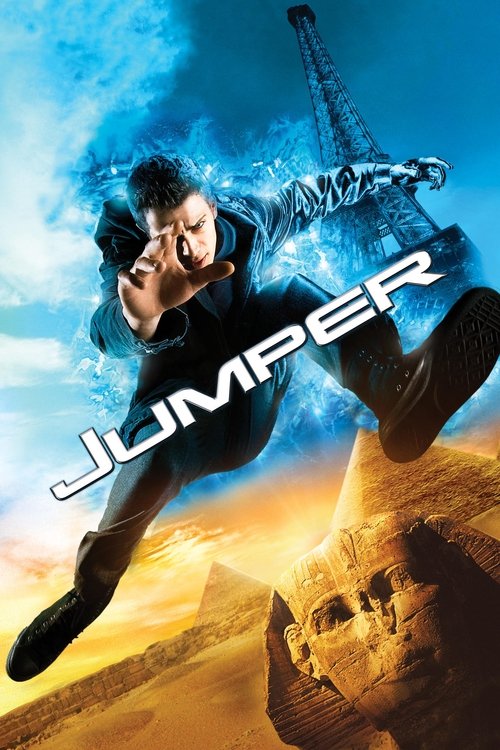
Jumper (2008)
Directed by Doug Liman
No · Ultra Based
How we score movies →Consciousness Markers
The film features a racially diverse supporting cast including Samuel L. Jackson in a prominent role, though these casting choices serve functional narrative purposes rather than engaging with representation as a theme.
Samuel L. Jackson's character is a significant antagonist role, but the film does not explore racial themes or consciousness related to his character.
No LGBTQ+ themes, representation, or narrative engagement present in the film.
Female characters exist within the narrative but the film contains no feminist agenda or thematic engagement with gender.
No climate-related content, environmental messaging, or climate crusade themes present.
The central conflict concerns supernatural zealotry rather than capitalist systems or class struggle.
No body positivity themes, discussions, or representation present in the film.
No neurodivergence representation or thematic engagement present.
The film is not based on historical events and contains no revisionist historical elements.
The film contains no social messaging, lectures, or preachy engagement with contemporary issues.


Synopsis
David Rice is a man who knows no boundaries, a Jumper, born with the uncanny ability to teleport instantly to anywhere on Earth. When he discovers others like himself, David is thrust into a dangerous and bloodthirsty war while being hunted by a sinister and determined group of zealots who have sworn to destroy all Jumpers. Now, David's extraordinary gift may be his only hope for survival.
Why it received this score
Jumper represents a pre-social consciousness era of science fiction cinema, a time when Hollywood action films could operate with relative indifference to the progressive markers that would later become a cultural preoccupation. The film concerns itself primarily with spectacle, teleportation set pieces, and a straightforward good-versus-evil narrative involving zealots intent on exterminating those with superhuman abilities. Samuel L. Jackson anchors a significant role as the lead antagonist, lending the proceedings a veneer of diversity that the film itself does not interrogate or explore thematically.
The casting is sufficiently diverse by accident rather than by design, with women and people of color occupying various roles throughout the ensemble. Yet the narrative offers no commentary on these casting choices, no exploration of how David's ability intersects with identity, and no engagement with the social dimensions of a young man discovering he is fundamentally different from his peers. The film exists in a purely functional register, content to deliver action and visual effects without the burden of contemporary social awareness.
By modern standards, Jumper registers as a cultural artifact from another era entirely, one in which a major studio production could achieve theatrical release without any observable commitment to progressive sensibilities or social consciousness. This is neither a condemnation nor a virtue, merely a neutral observation about the film's historical moment. It is precisely the sort of film that would be required to undergo substantial revision before a contemporary studio would green-light it today.
Analysis generated by our Consciousness Algorithm
Critic Reviews
“It may be mindless and sexless and humorless, but Jumper jumps.”
“Liman applies the same frenetic approach to action scenes that made "The Bourne Identity" such an engaging and exciting affair.”
“It’s Liman’s least charismatic action movie and the least developed, but it still packs some cracking action into its brief running time and lays foundations on which a great franchise could be built.”
“Jumper, based on the novel by Steven Gould, re-defines -- downward -- the notion of dreadful. It does so by dispensing with everything a movie needs for a shot at being merely awful. Dramatic development? None. Entertaining dialogue? Ditto. Internal logic? Puhleez. Intriguing characters? No characters, thus no intrigue. Interesting performances? Essentially none, though with an asterisk.”