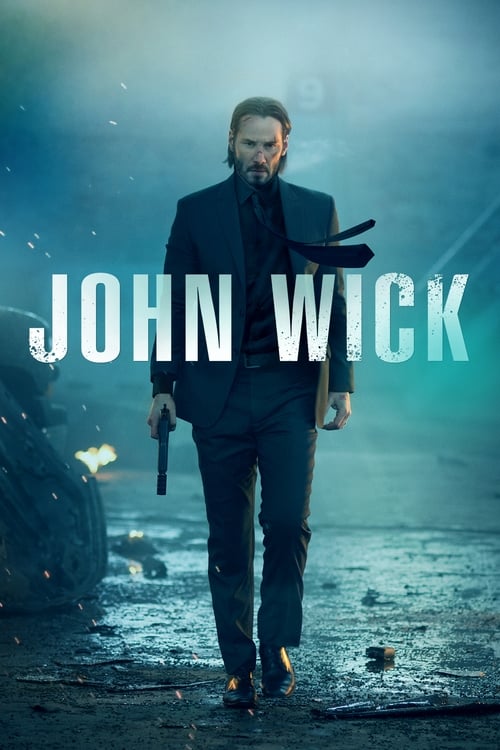
John Wick (2014)
Directed by Chad Stahelski
No · Ultra Based
How we score movies →Consciousness Markers
Cast is predominantly white and male with minimal female representation. Adrianne Palicki appears in a minor role, but there is no meaningful diversity in principal characters.
The film depicts a criminal underworld, but offers no systemic critique of wealth or capitalism. Violence is personal, not political.
Minimal expository dialogue establishes the rules of the criminal underworld, but this is worldbuilding rather than preachy lecturing on social issues.
No LGBTQ+ characters, relationships, or thematic content present in the film.
The single significant female character (John's wife) exists only as deceased motivation. No female characters with agency or storylines. No feminist themes present.
No engagement with racial themes, racial justice, or multicultural narratives. Characters are presented without racial commentary or awareness.
No environmental themes, climate consciousness, or ecological messaging present in the narrative.
No engagement with body diversity, appearance standards, or body positivity messaging.
No representation of neurodivergent characters or engagement with neurodiversity themes.
An action thriller with no historical content to revise or reinterpret.


Synopsis
Ex-hitman John Wick comes out of retirement to track down the gangsters that took everything from him.
Why it received this score
John Wick arrives as a purely functional revenge narrative, a film concerned almost entirely with the mechanics of violence rather than the politics of it. Keanu Reeves' retired assassin exists in a world of crisp black suits, gleaming hotel lobbies, and carefully choreographed gunplay. The film treats this underworld with the aesthetic detachment of a technical manual. There is no attempt to interrogate wealth, power, or systemic inequity. The criminals are simply criminals, their villainy personal rather than structural.
The supporting cast is sparse and functional. Adrianne Palicki appears briefly in a forgettable role, while the rest of the ensemble consists of character actors executing their scenes with professional competence. No one is here to make a statement about representation or inclusion. They are here to be shot, stabbed, or thrown through windows. The film's single female character of substance, John's wife, exists only in memory and motivation. She is not a person but a plot device, a justification for the narrative machinery that follows.
What emerges from John Wick is not social consciousness but technical virtuosity. The film cares about how a bullet travels, how a body falls, how a sequence of kills can be composed with balletic precision. In this regard, it succeeds admirably. As a cultural artifact, however, it registers as fundamentally indifferent to the progressive sensibilities that would later dominate mainstream discourse. It is a film from 2014 that could have been made in 2004 without meaningful alteration. This is not a criticism, merely an observation about where it sits in the landscape of contemporary cinema.
Analysis generated by our Consciousness Algorithm
Critic Reviews
“John Wick, is not only a return to badass form for the actor, it's also one of the most excitingly visceral action flicks I've seen in ages.”
“Harboring few ambitions beyond knock-your-socks-off action sequences, this crafty revenge thriller delivers with so much style — and even some wit — that the lack of substance takes longer than it should to become problematic.”
“It's a B movie made with A-student love for the relentless thrill of bodies in brutal motion.”
“John Wick is the most blatant attempt to establish a character’s name recognition since the Angelina Jolie actioneer "Salt."”