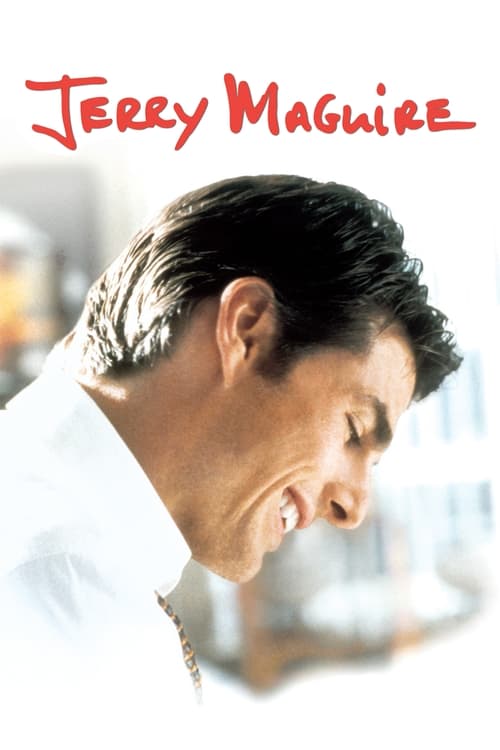
Jerry Maguire (1996)
Directed by Cameron Crowe
No · Ultra Based
How we score movies →Consciousness Markers
The cast includes Black actors in supporting roles (Cuba Gooding Jr., Regina King), but they are presented as characters rather than as a statement about representation. Diversity exists but is not remarked upon.
The film critiques individual greed and promotes personal integrity over profit, but presents capitalism itself as essentially sound. The solution is moral character, not systemic change.
Renée Zellweger's character is intelligent and employed, but she serves primarily as the romantic object for the male protagonist's arc. The film offers surface-level female agency without deeper interrogation.
The film contains some preachy moments about ethics and human connection, particularly in Jerry's motivational speeches, but maintains the conversational tone typical of 1990s dramedy rather than explicit sermonizing.
The film includes Black characters but does not examine race, racism, or racial dynamics in sports or society. Diversity is presented as natural backdrop rather than subject of analysis.
No LGBTQ+ themes, characters, or subtext are present in the film. The narrative is entirely heteronormative.
Climate change and environmental concerns are entirely absent from the narrative and themes.
The film does not engage with body positivity themes. Characters are portrayed in conventional ways without commentary on body diversity or acceptance.
Neurodivergence is not addressed or represented in the film.
The film does not attempt to reframe historical events or narratives.


Synopsis
Jerry Maguire used to be a typical sports agent: willing to do just about anything he could to get the biggest possible contracts for his clients, plus a nice commission for himself. Then, one day, he suddenly has second thoughts about what he's really doing. When he voices these doubts, he ends up losing his job and all of his clients, save Rod Tidwell, an egomaniacal football player.
Why it received this score
Jerry Maguire arrives as a film thoroughly of its moment, which was 1996, a time when the moral questions posed here seemed urgent and modern. Tom Cruise's character undergoes a crisis of conscience about his career in sports representation, discovering that human connection matters more than profit margins. This is admirable as far as it goes, but it does not go very far in the direction of modern progressive sensibilities. The film's treatment of capitalism is that of a 1990s liberal, which is to say that the problem is individual greed instead of structural exploitation, and that a single person can solve it through force of personality and integrity.
Cuba Gooding Jr.'s Rod Tidwell is presented as an athlete of considerable charisma and ego, a character written with more dimension than the typical sports movie supporting role. Yet the film does not interrogate the racial dynamics of professional sports in any meaningful way. Tidwell is a successful Black character in a story centered on white characters' emotional journeys, which represents a kind of inclusion that feels incidental instead of intentional. The film's feminism is similarly modest, offering Renée Zellweger a character who is intelligent and independent but ultimately exists as the romantic prize for the male protagonist's character development.
By the standards of 2024, this is a film of almost quaint political innocence. It believes in the power of individual moral rectitude to overcome systemic problems. It presents diversity as a feature of the world without examining what that diversity means. These are not failures of the film so much as they are markers of its era, a time when earnestness about personal ethics passed for social consciousness.
Analysis generated by our Consciousness Algorithm
Critic Reviews
“Jerry Maguire is loaded with them: bright, funny, tender encounters between characters who seem so winningly warm and real. ”
“What sets Jerry Maguire above any other romantic comedy this year is Crowe's writing. He captures the venal, high-stakes world of pro sports with deadly wit and an ex-journalist's sense of detail.”
“A meandering and deeply shallow tale of spiritual redemption.”