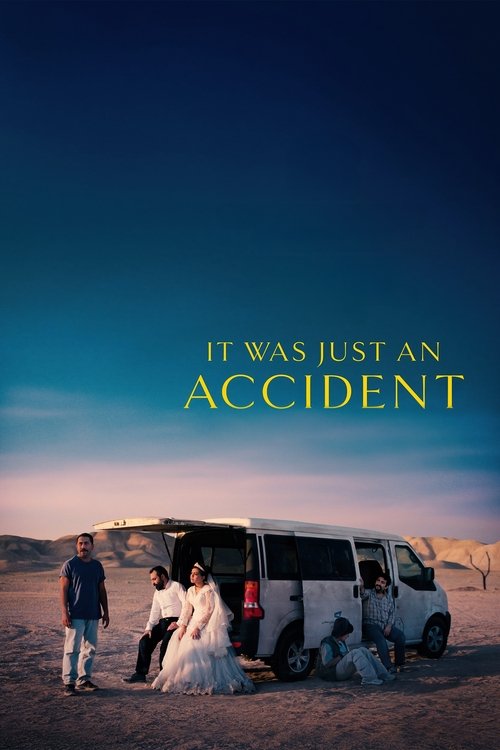
It Was Just an Accident (2025)
Directed by Jafar Panahi
No · Ultra Based
How we score movies →Consciousness Markers
The film engages with Iranian prison history and political trauma, but from a personal psychological perspective rather than through revisionist historical framing or progressive reinterpretation.
Mariam Afshari appears in the cast, but the film's focus remains on masculine trauma and personal revenge rather than feminist critique or gender consciousness.
The cast is predominantly Iranian and reflects the film's context naturally, but there is no deliberate diversity casting strategy or representation consciousness evident.
While Panahi's work carries political weight, this film prioritizes suspense and moral ambiguity over preachy messaging or explicit social commentary.
No LGBTQ+ themes, characters, or content identified in the film.
The film operates within an Iranian context and does not engage with racial consciousness as understood in contemporary progressive discourse.
No climate themes, environmental messaging, or eco-consciousness present in this revenge thriller.
The film focuses on personal trauma and questions of justice rather than class critique or anti-capitalist messaging.
No body positivity themes or representation evident in the film.
No neurodivergence representation or thematic engagement identified.


Synopsis
An unassuming mechanic is reminded of his time in an Iranian prison when he encounters a man he suspects to be his sadistic jailhouse captor.
Why it received this score
Jafar Panahi's Palme d'Or winner presents itself as a revenge thriller, yet it functions more as a meditation on the impossibility of justice and the corrosive effects of state violence on the human soul. The film's moral ambiguity is genuine rather than fashionable. A man encounters someone he believes tortured him in prison and must navigate the question of whether retribution can ever satisfy the wound inflicted by systematic cruelty. Panahi, himself a victim of Iranian state repression, brings an unsentimental eye to this material. The film does not position victimhood as a source of moral authority or righteousness.
What distinguishes this work from contemporary progressive cinema is its refusal to lecture, to explain, or to resolve its ethical dilemmas through ideological frameworks. The characters exist in specific historical and political circumstances, yet the film resists the contemporary impulse to foreground social consciousness or to extract universal lessons about systemic oppression. Instead, it offers the particular anguish of one man confronting the architecture of his own trauma. The thriller mechanics serve the psychological investigation rather than providing comfortable catharsis.
This is a work of genuine artistic and political consequence that operates entirely outside the language of modern progressive sensibilities. It is too busy with the difficult work of examining complicity, doubt, and the thin line between justice and revenge to concern itself with representation or consciousness-raising. The film's power derives from its specificity and its refusal to offer easy answers. In this sense, it represents something rarer than woke cinema: it represents cinema in service of genuine moral inquiry.
Analysis generated by our Consciousness Algorithm
Critic Reviews
“The director is clearly having a whale of a time taking the piss out of the corruption, cruelty and bribery rife in his country.”
“Panahi welds scorching social critique to a masterful command of form: a devastating cry for justice, his latest also serves as a superb thriller. It is a towering achievement. ”
“This is a film about anger, felt as deeply by the characters whose lives unspool in front of the camera as by the filmmaker who sits behind it. Such anger is a long river that bifurcates into two opposing forces: violence and empathy.”
“The screaming and shouting eventually detract from the drama, although perhaps Panahi is making a point about the hysteria of Iran’s rulers. He is certainly making a point about the traumatising effects of their cruelty, with which he is intimately familiar.”