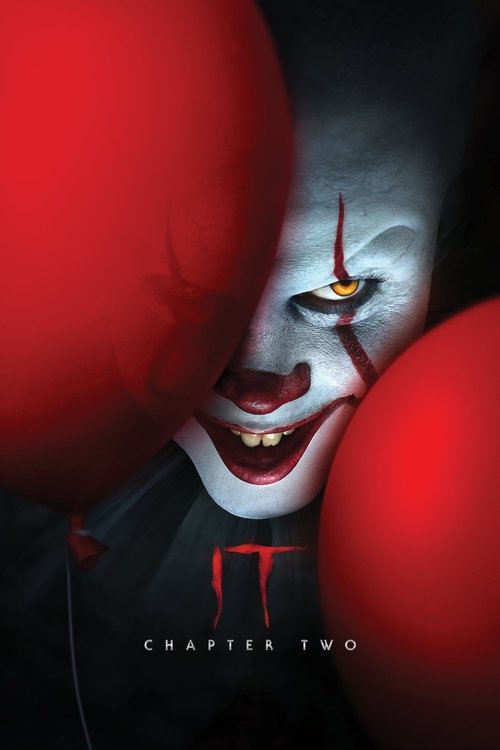
It Chapter Two (2019)
Directed by Andy Muschietti
No · Ultra Based
How we score movies →Consciousness Markers
The ensemble cast includes actors of diverse backgrounds including Isaiah Mustafa and others, reflecting contemporary casting practices. However, this diversity is not thematically emphasized or commented upon within the narrative.
No LGBTQ themes or representation are evident in the film. The story focuses on supernatural horror and personal trauma without engaging with sexual orientation or gender identity.
While Jessica Chastain leads the ensemble as Beverly Marsh, her character is not constructed around feminist themes or deliberate female empowerment messaging. She functions as part of the ensemble without specific gender-based narrative emphasis.
The film does not engage with racial consciousness, systemic racism, or race-related social commentary. Cast diversity exists but is not thematically foregrounded.
No climate-related themes or environmental consciousness appear in this horror film about battling a supernatural entity.
The film contains no anti-capitalist messaging, critique of wealth inequality, or examination of economic systems.
No body positivity themes are present. The film does not challenge conventional beauty standards or celebrate diverse body types.
The film does not represent or engage with neurodivergence, mental health conditions, or neurodivergent perspectives in any meaningful way.
No revisionist history or reexamination of historical narratives appears in this contemporary horror film.
The film maintains a straightforward horror narrative without preachy messaging, speeches about social issues, or lecture-like exposition about contemporary social problems.


Synopsis
27 years after overcoming the malevolent supernatural entity Pennywise, the former members of the Losers' Club, who have grown up and moved away from Derry, are brought back together by a devastating phone call.
Why it received this score
It Chapter Two arrives as a competent if bloated horror sequel, one that dutifully reassembles its ensemble cast to confront the supernatural evil that terrorized them in childhood. The film features a reasonably diverse cast by contemporary standards, with Isaiah Mustafa joining the proceedings as an adult Losers' Club member, and Jessica Chastain anchoring the ensemble as Beverly Marsh. Yet these casting choices reflect the baseline expectations of modern studio filmmaking rather than any particular commitment to progressive cultural awareness. The film is fundamentally a Stephen King adaptation concerned with horror, trauma, and nostalgia, not social consciousness.
The narrative focuses entirely on the characters' personal struggles with their traumatic past and their attempt to defeat an ancient evil. There is no engagement with contemporary social issues, no examination of systemic injustice, and no particular emphasis on the identity politics that might be expected from a film scoring higher on the scale. Chastain's Beverly, while competent, is not developed as a deliberate statement about female empowerment or feminist reclamation. The diverse cast members are simply part of the ensemble, their backgrounds neither highlighted nor interrogated.
What emerges is a straightforward horror film that happens to include a diverse cast without making that diversity itself a thematic centerpiece or point of cultural commentary. It is neither reactionary nor particularly progressive in its sensibilities, existing instead in a comfortable mainstream space where representation is present but incidental to the larger narrative machinery.
Analysis generated by our Consciousness Algorithm
Critic Reviews
“A psychologically merciless sequel, everything here is as it should be: deeper, scarier, funnier. Muschietti in particular has stepped up, skilfully guiding us through a rollicking funhouse. It is obscenely entertaining.”
“You’ve got to hand it to director Andy Muschietti. Adapting any Stephen King novel – or, for that matter, shorter material – is always a hit-or-miss gig, but It Chapter Two manages to pull out all the stops and in several areas actually tops the first film.”
“Even as it drifts into narrative indiscipline, you appreciate the movie’s attempt to make sense of a troubled, beclowned present.”
“It Chapter Two has structural problems, character problems, and aesthetic problems.... But the movie’s main issue is an unexamined streak of cruelty.”