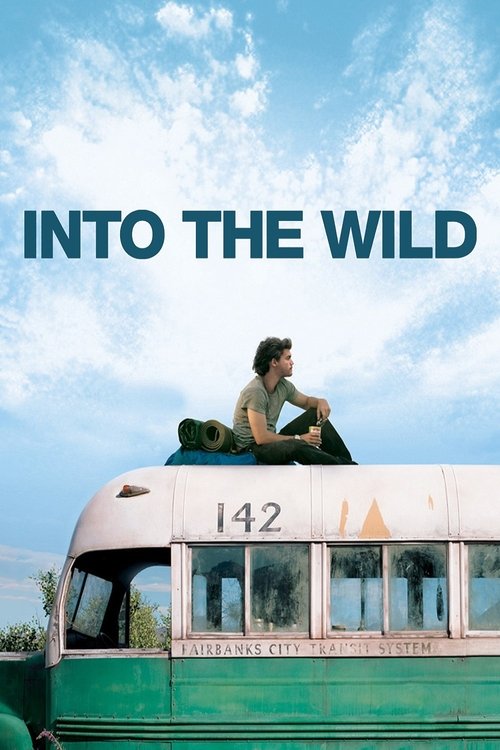
Into the Wild (2007)
Directed by Sean Penn
No · Ultra Based
How we score movies →Consciousness Markers
McCandless rejects material wealth and donates his savings, but this reflects pre-2015 liberal humanism and personal moral choice rather than systematic critique of capitalism or calls for collective action.
Minimal preachy messaging. The film trusts viewers to draw their own conclusions about McCandless's choices, though some scenes verge on sentimental without being overtly preachy.
Casting reflects conventional Hollywood demographics of 2007 with no deliberate attention to representation or diversity consciousness.
No LGBTQ+ themes, characters, or representation present in the film.
No feminist themes or gender consciousness evident. Female characters exist primarily as family members or brief encounters.
No engagement with racial themes, racial consciousness, or examination of systemic racism.
While nature is central to the narrative, there is no climate science messaging or environmental activism present.
No engagement with body positivity, body image, or non-normative physical representation.
No representation of or engagement with neurodivergent characters or conditions.
The film adapts true events without attempting to reframe or revise historical understanding.


Synopsis
After graduating from Emory University in 1992, top student and athlete Christopher McCandless abandons his possessions, gives his entire $24,000 savings account to charity, and hitchhikes to Alaska to live in the wilderness.
Why it received this score
Sean Penn's 2007 meditation on individualism and the rejection of material culture remains a handsome but apolitical work, operating entirely within the register of personal philosophy rather than social consciousness. The film presents Christopher McCandless as a noble idealist who abandons wealth and comfort to commune with nature, a narrative that hinges on romantic individualism rather than any systematic critique of institutions. The supporting cast, including Marcia Gay Harden and William Hurt as McCandless's parents, functions primarily to illustrate personal dysfunction and familial estrangement rather than to interrogate systemic inequities or cultural power structures.
What the film does contain is a surface-level critique of materialism and consumer capitalism, which might register as anti-capitalist sentiment to the untrained eye. However, this critique emerges from a distinctly pre-2015 liberal humanism, the kind that views the problem as personal moral failure rather than structural injustice. McCandless's rejection of his father's materialism is presented as an individual moral awakening, not as a call for collective action or systematic transformation. The film's aesthetic is one of nature documentary meets character study, never veering into the preachy territory that would mark it as genuinely engaged with contemporary progressive frameworks.
The casting is unremarkable for 2007, with no particular attention paid to representation or demographic consciousness. Kristen Stewart and Vince Vaughn appear in supporting roles without any commentary on their social positioning. The film contains no engagement with gender, sexuality, disability, climate science, or historical revisionism in any meaningful sense. Into the Wild is essentially a well-crafted biographical drama about one man's spiritual crisis, and that is all it aspires to be.
Analysis generated by our Consciousness Algorithm
Critic Reviews
“Penn's direction is amazingly sharp and intuitive, full of masterful touches that give an epic dimension and scope to the parable.”
“Sean Penn’s Into the Wild is certainly visual--it’s entirely too visual, to the point of being cheaply lyrical.”