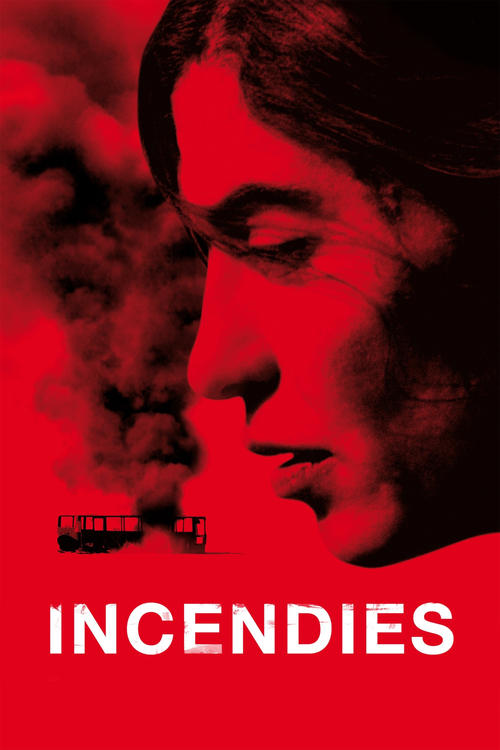
Incendies (2010)
Directed by Denis Villeneuve
No · Based
How we score movies →Consciousness Markers
The narrative centers on a mother's agency and final wishes, exploring female suffering during war. However, feminist perspective emerges from human tragedy rather than serving as the film's primary ideological lens.
Features Lebanese-Belgian actress Lubna Azabal in a lead role, but the twin protagonists are played by Francophone Canadian actors. Reflects early 2010s European production standards for Middle Eastern stories.
Addresses sectarian and ethnic conflict in Lebanon through a humanist lens focused on personal tragedy. Does not interrogate contemporary power structures or systemic racism in modern social consciousness terms.
Addresses Lebanese Civil War history through personal family narrative rather than attempting to reframe historical events through contemporary progressive frameworks.
The film trusts its audience to draw conclusions from the narrative. While thematically rich, it avoids explicit preaching or moral explanation.
No LGBTQ+ themes, characters, or content present in the film.
No climate-related themes or messaging present in the film.
No anti-capitalist ideology or critique of economic systems present in the film.
No body positivity themes or related content in the film.
No representation of neurodivergence or related themes in the film.


Synopsis
A mother's last wishes send twins Jeanne and Simon on a journey to Middle East in search of their tangled roots. Adapted from Wajdi Mouawad's acclaimed play, Incendies tells the powerful and moving tale of two young adults' voyage to the core of deep-rooted hatred, never-ending wars and enduring love.
Why it received this score
Denis Villeneuve's "Incendies" stands as a monument to human suffering, though not one constructed from the materials of contemporary cultural consciousness. The film charts a journey through the wreckage of sectarian violence in Lebanon, using a mother's deathbed wishes as the thread that unravels her children's genealogy of pain. We are presented with a narrative architecture so meticulous, so devoted to emotional precision, that the film's relative indifference to modern progressive frameworks becomes almost touching in its sincerity.
The film operates according to older principles of humanist cinema, where the point is to show us what violence does to families rather than to argue about who holds power in systems of oppression. Lubna Azabal delivers a performance of such quiet devastation that the question of casting becomes secondary to the question of presence. The twins, played by Mélissa Désormeaux-Poulin and Maxim Gaudette, function as vessels for inherited trauma, not as representatives of any particular identity category. This is cinema that believes in the particularity of suffering, which is to say it does not believe in categories at all.
What emerges from "Incendies" is a film that has aged into irrelevance for the purposes of this particular cultural audit. It remains a masterpiece, but a masterpiece indifferent to the metrics by which we now measure cultural products. It speaks to the human capacity for forgiveness and the human incapacity to escape history. These are not woke concerns. They are concerns that predate the very concept, and will likely outlast it.
Analysis generated by our Consciousness Algorithm
Critic Reviews
“A staggering political drama that could put you in mind of the intimate sweep of Bernardo Bertolucci, Incendies feels like a mighty movie in our midst.”
“Denis Villeneuve's screen adaptation of a play by the Lebanese-Canadian playwright Wajdi Mouawad tells a story-masterfully-of courage, cruelty, family mysteries and a chain of anger that can only be broken by love.”
“The storytelling in Incendies strikes me as primal the way Greek tragedy is primal. Shattering. Cathartic. It is a breathtaking film. ”
“The film, directed by Denis Villeneuve, delves into the moral fiber and traumatic tree rings of war more than most films have or most likely ever will, but without one clear vantage point or emotional anchor.”