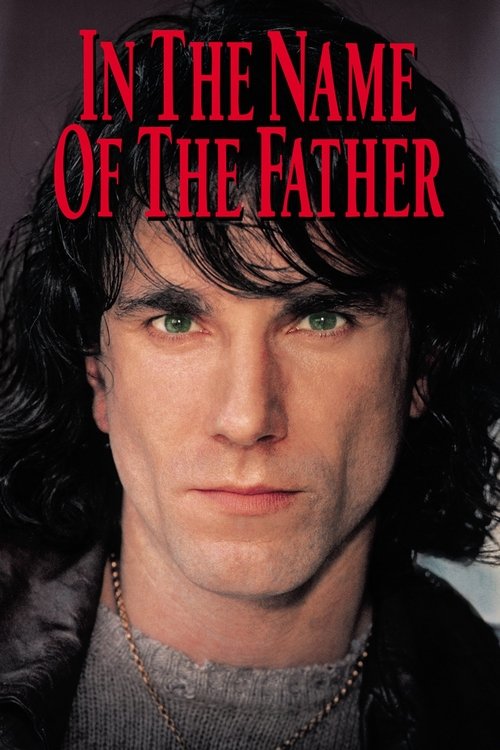
In the Name of the Father (1993)
Directed by Jim Sheridan
No · Ultra Based
How we score movies →Consciousness Markers
The film depicts institutional power structures failing the working-class and poor, but this is presented as a human rights issue rather than as anti-capitalist critique. The system is corrupt, not capitalism itself as the target.
While the film is morally serious and makes clear statements about justice, it does not employ the performative explanatory tone associated with contemporary lecture energy.
The cast reflects the actual demographics of the story and era. Diversity is present but incidental to the narrative, not a deliberate statement about representation.
No LGBTQ+ themes, characters, or subtext are present in the film.
The film is centered on male characters and male experiences. No feminist agenda or gender-conscious themes are evident.
While the film deals with Irish identity and ethnic tensions, it does not employ contemporary racial consciousness frameworks or interrogate identity politics.
Climate or environmental themes are entirely absent from the narrative.
No body positivity discourse or commentary on physical appearance is present in the film.
Neurodivergence is not addressed or represented in the narrative.
The film tells the true story of the Guildford Four with historical fidelity. It does not engage in revisionist reinterpretation of history.


Synopsis
A small-time Belfast thief, Gerry Conlon, is wrongly convicted of an IRA bombing in London, along with his father and friends, and spends 15 years in prison fighting to prove his innocence.
Why it received this score
In the Name of the Father presents itself as a gravely important examination of institutional injustice, wrongful imprisonment, and the failures of the British legal system. It is indeed important cinema, but importance and social consciousness are not synonymous. The film documents a true historical atrocity: the conviction and incarceration of innocent men, a scenario that demands moral clarity and emotional weight. Jim Sheridan delivers precisely this, with Daniel Day-Lewis providing the kind of committed performance that justifies the Academy's recognition.
Yet the film's moral framework belongs to an earlier era of political cinema. Its critique is directed at systemic abuse and corruption, not at the modern constellation of progressive preoccupations that define contemporary cultural consciousness. The cast includes people of varying backgrounds, but this reflects the actual demographics of 1970s Ireland and England rather than a deliberate statement about representation. There are no lectures on identity, no interrogations of language, no moments of performative cultural awareness. The film trusts its story to speak for itself.
This is a work of conventional humanism, which is to say it operates from first principles of human dignity and justice rather than from the vocabulary of 2020s progressivism. One can admire it immensely while acknowledging that it does not speak to the specific cultural moment we are tasked with measuring. It is the work of a serious filmmaker committed to truth-telling, not a text designed to satisfy contemporary social consciousness markers.
Analysis generated by our Consciousness Algorithm
Critic Reviews
“For in relating the true story of Conlon's wrongful conviction and 15-year imprisonment, Sheridan has used the tools of the filmmaker to evoke a visceral echo of Conlon's waking nightmare.”
“Jim Sheridan skillfully interweaves a myriad of subplots and themes into a fast-paced, cohesive whole.”
“But the filmmakers have invigorated and enriched the story through the use of a thousand details, a strong sense of time and place, outstanding characterizations and a display of energy and cinematic flair that marks an advance on "My Left Foot."”
“Based on Gerry Conlon's own account of his arrest and subsequent incarceration, the film takes forever to do what "60 Minutes" does with the same meat in a single segment.”