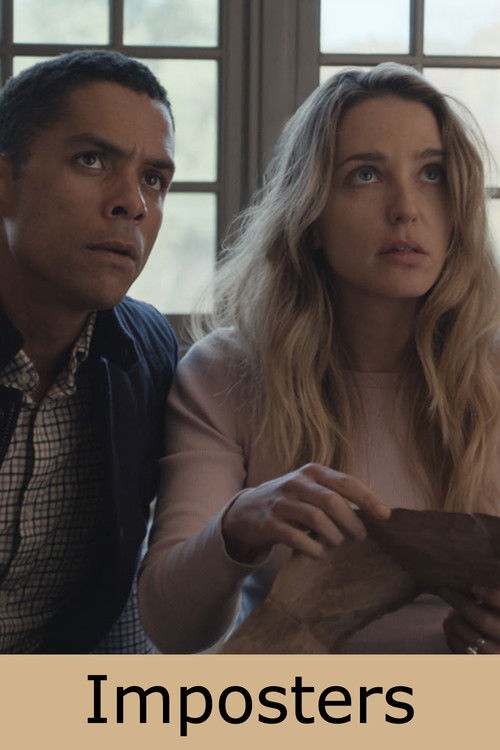
Imposters (2026)
Directed by Caleb J. Phillips
No · Ultra Based
How we score movies →Consciousness Markers
The cast includes actors of color (Yul Vazquez, Bates Wilder) in supporting roles, but casting appears organic to the story rather than deliberate representation. No indication of conscious diversity efforts in the narrative.
The protagonist is a woman whose agency drives the plot, but the film does not appear to frame her choices through an explicitly feminist lens. Her desperation is portrayed as psychological rather than as commentary on systemic barriers to motherhood.
The film appears designed to unsettle rather than instruct. While body horror can carry implicit messages, the sci-fi thriller framework suggests atmospheric dread over preachy instruction.
The film engages with body horror as a central concept, which inherently treats the body as something grotesque and transgressive rather than celebrated. This runs counter to body positivity messaging.
No evidence of LGBTQ+ themes, characters, or representation in the available plot information or promotional materials for this heterosexual couple-centered narrative.
No evidence of racial themes, discussions of racism, or racial consciousness in the plot or promotional materials. The film's horror appears genre-focused rather than socially conscious.
No connection to climate themes, environmental catastrophe, or ecological consciousness. The narrative concerns personal tragedy and body horror, not planetary concerns.
No indication of anti-capitalist messaging, critique of wealth inequality, or class consciousness. The film's conflict is interpersonal and metaphysical rather than economic.
No evidence of neurodivergent characters, representation, or themes related to neurodiversity in available information about the film.
This is a contemporary sci-fi horror film with no historical setting or narrative. No revisionist historical claims or reframing of past events present.
Synopsis
After a couple's baby is taken, the desperate mother learns of a way to "get their baby back." However, the husband begins to suspect that what she brought back isn't their son.
Why it received this score
Imposters operates in that increasingly familiar territory where profound human trauma becomes a canvas for body horror and existential dread. The film centers a maternal protagonist confronted with the uncanny, positioning her desperate agency against the possibility that her yearning itself has corrupted reality. This is grief as cosmic transgression, a setup that invites certain interpretations about motherhood and feminine desperation without necessarily endorsing them. The horror here is not preachy but rather exploratory, allowing the audience to sit with the unsettling implications of what it means to want something badly enough to break the world.
The film's commitment to ambiguity works against any heavy-handed social messaging. Jessica Rothe's character is neither sanctified nor condemned for her choices, a restraint that distinguishes this from more preachy contemporary horror. The generic framework (sci-fi thriller with Pet Sematary DNA) suggests a focus on the mechanics of transgression rather than on social commentary. The supporting cast is racially diverse in a manner that feels incidental to the narrative rather than ceremonial, which is to say the casting serves the story without announcing itself.
What prevents this from scoring higher is the fundamental absence of explicit progressive content. There is no detectable climate consciousness, no anti-capitalist rhetoric, no lecture about systemic inequality, no celebration of neurodivergence or disability as valuable identity. The film appears to be interested in horror as a vehicle for exploring the psychology of loss rather than as a platform for contemporary social causes. This is not a failing, merely an observation about where its artistic ambitions lie. One watches Imposters for what it reveals about human desperation, not for what it believes about the world's injustices.
Analysis generated by our Consciousness Algorithm