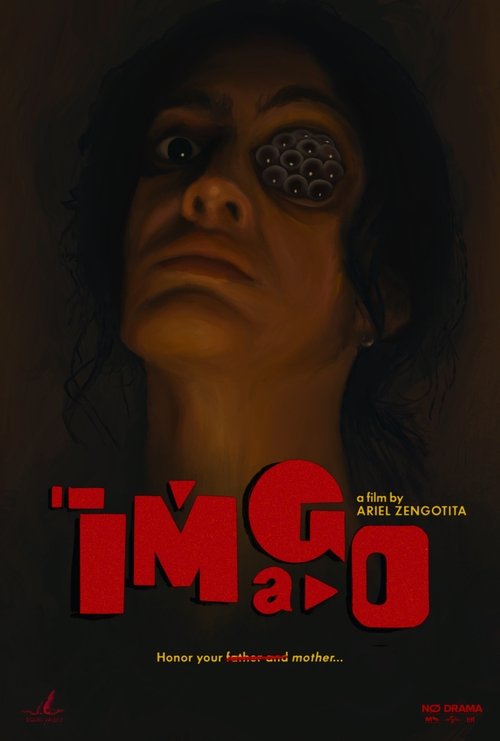
Imago (2026)
Directed by Ariel Zengotita
No · Based
How we score movies →Consciousness Markers
The predominantly Latinx cast reflects deliberate representation choices, particularly through Zengotita's selection by Monkeypaw and TIFF. However, the film does not appear to explicitly center cultural identity within its narrative.
The film explores maternal relationships and bodily autonomy through body horror, which could be read as feminist critique. Yet the genre's disgust mechanics complicate any straightforward progressive reading of female embodiment.
While the director and cast are Latinx, the film appears to engage universal themes of family dysfunction rather than explicit racial or cultural consciousness. Representation alone does not constitute active racial awareness in narrative.
Body transformation is rendered through horror and disgust rather than celebration or acceptance. The genre's mechanics work against body positivity messaging.
The film's restraint and refusal to moralize about its themes actually works against contemporary lecture-oriented sensibilities. It poses questions without providing answers or explicit guidance.
No substantive LGBTQ+ themes are evident in the available plot description or critical materials. The focus remains on mother-daughter family dynamics rather than queer representation.
The film does not appear to contain anti-capitalist messaging or class consciousness. It focuses on intimate family relations rather than systemic economic critique.
No evidence of climate-related themes in the plot, genre, or available critical reception. This is a family horror story, not an environmental commentary.
No indication of neurodivergent representation or themes in the available materials. The insect transformation is horror-coded rather than neurodivergence-affirming.
This is a contemporary family drama with fantastical elements. It contains no historical content to revise or reframe.
Synopsis
As Ana's mom transforms into an insect, their codependent relationship becomes unbearable.
Why it received this score
Ariel Zengotita's "Imago" presents itself as a meditation on bodily transformation and familial obligation, though the actual content resists easy categorization within contemporary progressive frameworks. The film deploys body horror as its primary vehicle, with the mother's metamorphosis into an insect serving as a literalization of the ways family members can become unrecognizable to one another. This is not a film about celebrating bodily difference, but rather about the grotesque and alienating potential of change. The codependency angle suggests some awareness of dysfunctional relationship dynamics, though the horror genre's traditional association with transgression complicates any straightforward reading of progressive intent.
The casting of a predominantly Latinx ensemble, including filmmaker Zengotita's own selection through Jordan Peele's Monkeypaw initiative, provides representation of a sort, yet the film appears to engage with this identity through the universal language of family horror rather than through explicit cultural consciousness. The body transformation could be read as commentary on bodily autonomy, though the genre's inherent disgust mechanics make such a reading uncertain at best. What we have here is a short film that occupies the liminal space between genuine artistic exploration and contemporary social consciousness, leaning neither fully into one nor the other.
The fundamental restraint of the piece, its refusal to sermonize or make explicit its themes, actually works against the accumulation of progressive cultural markers. A film that interrogates maternal relationships and bodily transformation without offering resolutions or moral clarity sits uneasily with the lecture-oriented sensibilities that often characterize contemporary cultural work. Whether this constitutes artistic integrity or mere evasion remains, for now, an open question.
Analysis generated by our Consciousness Algorithm
Critic Reviews
“A little more narrative rigour and psychological depth would have been welcome here. Messy lives do not always require messy films. That said, Tomasz Naumiuk's whirling, kinetic camerawork has a freewheeling rock'n'roll energy that suits the material.”