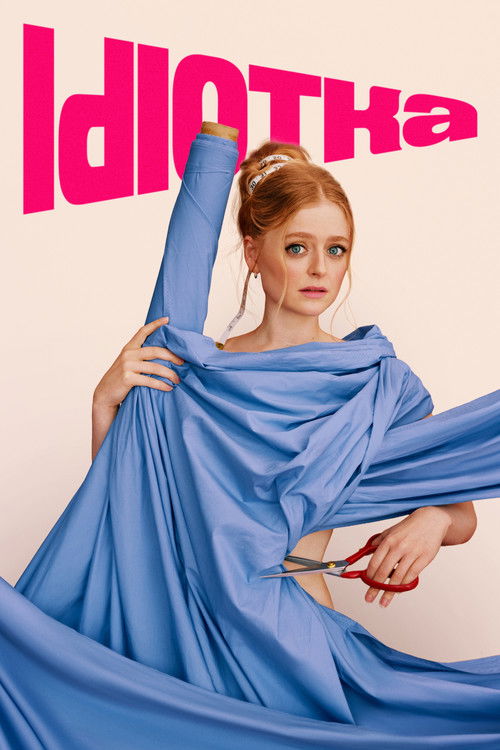
Idiotka (2026)
Directed by Nastasya Popov
No · Based
How we score movies →Consciousness Markers
The film features a predominantly Russian-American cast with diverse supporting players including performers of color in meaningful roles. Casting reflects contemporary industry practice without explicit commentary on representation itself.
The protagonist is a woman pursuing her own ambitions, and the film centers female experience and agency. However, this appears to emerge naturally from character rather than serving as explicit ideological content.
The film engages with Russian-American identity and immigrant experience, though primarily through the lens of humor and cultural specificity rather than systemic racial analysis.
The film satirizes reality television and entertainment industry superficiality, which contains implicit critique of commodified authenticity, though this remains satirical rather than systematically anti-capitalist.
The film prioritizes character comedy and satire over preachy instruction. While it contains social observation, it does not appear to lecture audiences about progressive values.
LGBTQ+ performers appear in the cast, but there is no indication from available materials that sexual orientation or gender identity constitutes a thematic element of the narrative.
No indication from available materials that body positivity or appearance acceptance constitutes a thematic concern of the film.
The film is set in contemporary Los Angeles and does not engage with historical reinterpretation or revisionist narratives.
No evidence of climate consciousness or environmental themes in the film's premise or reception materials.
No evidence of neurodivergence representation or themes in the film's premise or materials.
Synopsis
In West Hollywood's Russian district, Margarita lives out the American Dream: competing on a reality show. Will she slay, serve, or survive?
Why it received this score
Nastasya Popov's directorial debut presents itself as an immigrant comedy with progressive sympathies, yet the film operates primarily within the domain of character-driven humor rather than preachy cultural instruction. Margarita's journey navigates the collision between Russian-American family authenticity and the vapid performance requirements of reality television, a setup that generates legitimate satirical energy without requiring the audience to absorb lectures on systemic oppression. The cast reflects contemporary casting practices without commentary, and the film's engagement with immigrant experience feels earned through lived detail rather than imposed moral instruction.
The film's progressive markers remain modest and largely incidental to its comedic project. While it centers a female protagonist and includes LGBTQ+ performers in supporting roles, these elements do not constitute the film's ideological backbone. There is no meaningful engagement with climate consciousness, economic critique, body positivity as a stated value, or neurodivergence representation. The revisionist history quotient hovers near zero, as the film concerns itself with contemporary Los Angeles rather than reinterpreting historical events. The most conspicuous progressive sensibility emerges through its satirization of reality television culture itself, though this critique remains more observational than polemical.
What we encounter in "Idiotka" is a film that happens to be progressive in its casting and immigrant perspective without feeling obligated to constantly affirm this posture to the audience. The humor derives from character dynamics, fish-out-of-water scenarios, and the absurdities of entertainment industry gatekeeping rather than from the righteousness of its social positioning. For contemporary audiences accustomed to films that announce their values with regularity, this restraint registers as almost quaint. The result sits comfortably in the moderate range, neither aggressively committed to modern progressive orthodoxy nor indifferent to it.
Analysis generated by our Consciousness Algorithm
Critic Reviews
“With her feature debut, Popov establishes a bold and playful visual identity that will leave audiences eager for her next project. True to fashion, Idiotka does, indeed, slay, serve, and survive.”
“Popov delivers a boisterous tale of a woman coming into her own, told with real humor and heart.”
“The American dream gets a quirky wardrobe upgrade in Idiotka, a lightweight but winning comedy that feels like a Netflix movie’s indie cousin.”
“Popov is meditating on relevant themes, but what she diagnoses about the superficiality of the self-serving media and fashion worlds is already received wisdom, rather than the lethal satire she’s aiming for.”