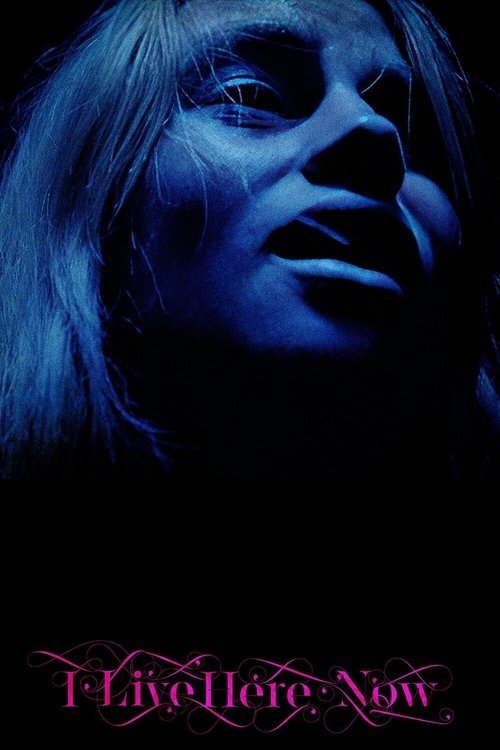
I Live Here Now (2025)
Directed by Julie Pacino
No · Based
How we score movies →Consciousness Markers
The film centers on a female protagonist confronting trauma and explores female experience through a psychological lens. The female director represents contemporary cinema, though the work is not explicitly ideological about gender politics.
The cast includes performers of diverse backgrounds, though they are integrated naturally into the narrative rather than highlighted as a statement. The film does not appear to prioritize representation as a thematic concern.
The film maintains an ambiguous, dreamlike aesthetic that resists didactic explanation. While it explores trauma thematically, it does not pause to educate the audience about its subject matter or moral dimensions.
No LGBTQ+ themes, characters, or representation are evident in the available information about this psychological horror film.
There is no evidence of racial consciousness or commentary in the film's themes or narrative. Race does not appear to be a thematic concern.
Climate themes are entirely absent from this intimate psychological horror film set in a remote hotel.
No anti-capitalist messaging or critique of economic systems appears in the available information about the film.
Body positivity is not a discernible theme in this psychological horror work focused on trauma and identity.
There is no evidence of neurodivergence representation or themes being central to the film's narrative.
This contemporary psychological horror film does not engage with historical revisionism or alternate historical narratives.
Synopsis
A woman finds herself trapped in a remote hotel where the violent echoes of her past come alive, blurring the lines between her darkest nightmares and the waking world.
Why it received this score
Julie Pacino's feature directorial debut presents a David Lynch-inspired descent into psychological horror that uses trauma as its primary lens rather than a vehicle for contemporary social commentary. The film traces a woman's fragmented encounter with a remote hotel where her past violences materialize in dreamlike form, creating an aesthetic experience that privileges visceral disorientation over didacticism. We are offered no explanatory framework, no neat diagnosis, no therapeutic resolution. The work functions as pure cinema, which is to say it respects the viewer's capacity for ambiguity.
What surfaces here as potentially progressive is largely incidental. The female protagonist and female director represent a basic fact of contemporary filmmaking rather than a statement. The ensemble cast contains performers of varied backgrounds, though these individuals exist within the narrative as characters rather than representatives. The exploration of trauma, particularly as it pertains to women's experiences, carries an implicit consciousness, but one rooted in psychological realism rather than ideological positioning. The film does not pause to lecture us about the nature of its subject matter.
This restraint proves to be the work's greatest strength and its minimal social consciousness score. Pacino has constructed a horror film interested in form and affect, not in correcting the audience's moral deficiencies. There is no educational mission here, no desire to align us with particular contemporary causes. The film remains committed to the primacy of unease, to the refusal of easy meaning. In an era of relentless cultural messaging, this discretion feels almost radical.
Analysis generated by our Consciousness Algorithm